Church Roods and the Medieval Crosses That Framed Worship
Stepping Beneath the Cross: Why Church Roods Matter
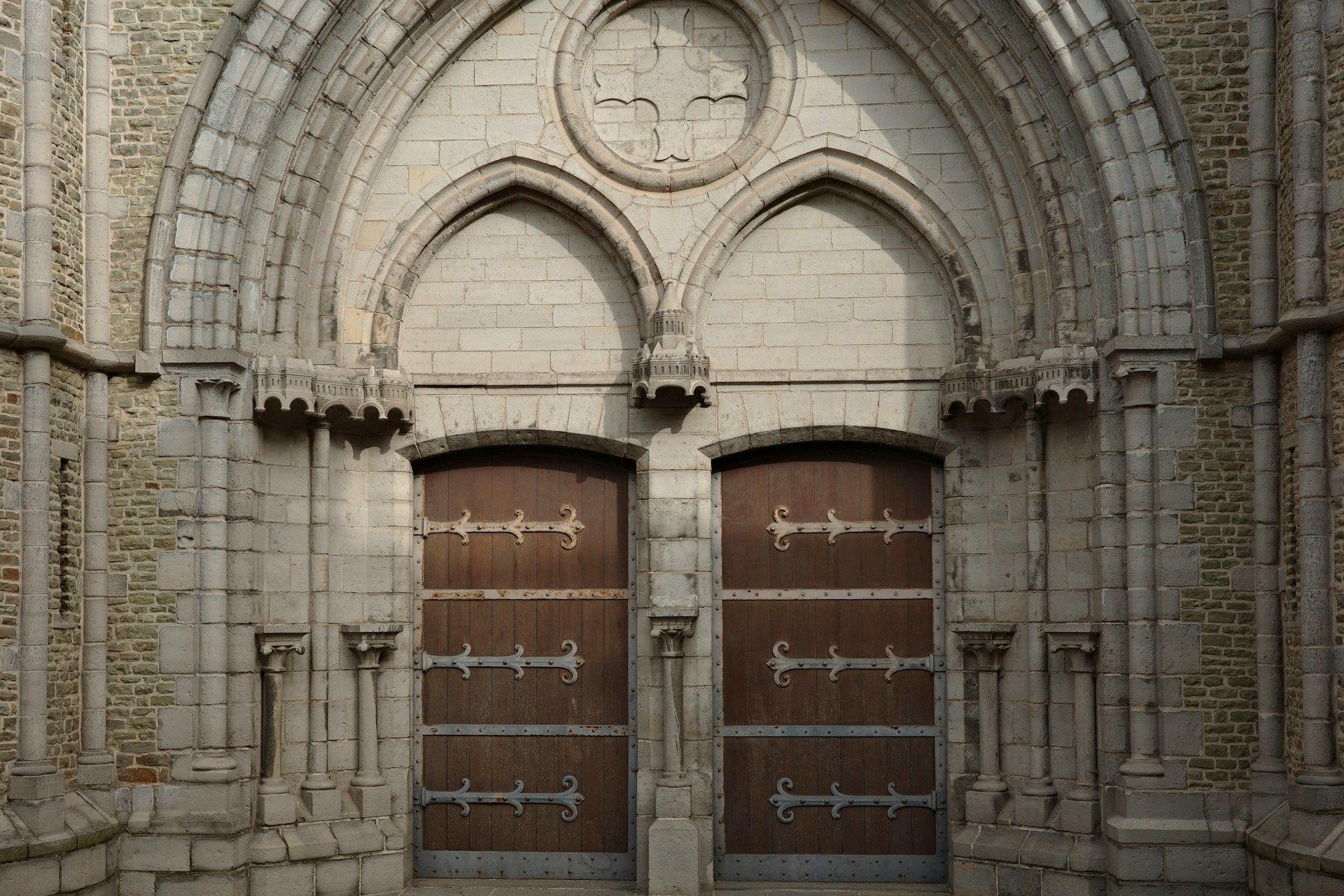
Walk into an old parish church in Wiltshire or along the Welsh border and your eyes are often drawn upward. High above the entrance to the chancel, where the choir and altar stand, there may be a great cross, or the shadow of where one used to be. That soaring image once dominated the medieval church interior and shaped how people saw and felt the heart of Christian worship.
That great cross is called a rood. The word “rood” comes from the Old English rōd, meaning cross, and it links modern visitors directly with some of the earliest English Christian traditions. When we lead heritage tours in England and Wales, we find that once visitors learn to recognize roods and the traces they left behind, the whole building starts to speak in a new way. At Heritage & Stone Tours, our small-group, storytelling focused days out are designed to bring details like this to life for travelers from the United States and Canada who want more than just a quick photo stop.
What Exactly Is a Rood in a Medieval Church?
A traditional rood was both simple and dramatic. At its heart was the image of Christ on the cross, raised high where no one could miss it. Around that central figure, medieval craftsmen built a complete visual focus for worship.
A traditional rood often includes:
- A large crucifix with Jesus, often richly painted or gilded.
- Statues of Mary and John the Apostle standing on either side of the cross.
- A supporting beam or rood beam, or it may stand above a rood screen, which separates the nave from the chancel.
You would usually find the rood at the point where the nave, the main space for the congregation, meets the chancel, the space set aside for clergy and choir. It often stood above a wooden screen, or on a great beam across the chancel arch, so that every glance toward the altar passed under the cross.
Roods were especially common in medieval churches across England and Europe. They were not decoration in a modern sense. For people who could not read Latin, they served both as a powerful visual focus for worship and as a reminder of Christ’s crucifixion. On our heritage tours in England and Wales, we often pause near the chancel arch and invite guests to stand where medieval parishioners once stood and see how everything lines up toward that central image of sacrifice and hope.
Roods in the Life of a Medieval Parish
If we could step back into a medieval service, we would see that the rood was woven into the rhythm of parish life. Candles would burn beneath the cross. Processions on major feast days would move under it. Sermons could be preached with the crucifix in view, so that the priest’s words were framed by the image above.
The rood beam and rood screen helped create a sense of sacred drama. The congregation stood in the nave, looking toward the chancel where the mystery of the Mass unfolded, partly hidden, partly revealed, and always watched over by the figure of Christ on the cross. That sense of a spiritual threshold was not accidental. The rood marked the place where heaven and earth were believed to meet in a special way.
Many English and Welsh churches invested deeply in these structures. In some areas, especially where wool wealth or local patronage was strong, screens and roods were:
- Elaborately carved in oak or other fine timber.
- Painted in bright colors and decorated with gold leaf.
- Paired with painted panels of saints along the base of the screen.
- Combined with tracery, small carvings, and inscriptions requested by local families.
When we design tailored heritage tours in England and Wales, we often show how the rood connects with other artwork in the church. Wall paintings, stained glass, floor slabs, and carved stone all work together to tell a shared story of faith, memory, and local identity. Once visitors see that connection, an old parish church stops looking random and starts to feel like a carefully planned storybook in wood and stone.
Reformation, Destruction, and What Survives Today
The story of roods in England takes a sharp turn with the Reformation. Reformers and later waves of iconoclasts saw these great crosses and their supporting structures as dangerous images that might draw attention away from God toward the artwork itself. Many roods were taken down, smashed, burned, or sold, and brightly painted screens were whitewashed.
Yet the traces did not disappear completely. When we visit churches today, we often point out:
- Empty rood beams high across the chancel arch.
- Little spiral stair turrets that once led up to the rood loft, now ending in midair.
- Peg holes and scars in the stone that show where the structure was fixed.
- Ghostly outlines of painting or carving that survived under later plaster.
In some rural parishes in England and Wales, beautifully carved medieval screens survive, sometimes with partial or restored roods standing above them. Careful modern restorations in certain churches give a strong sense of what the medieval interior would have felt like, without pretending that nothing changed. On private heritage tours in England and Wales, we can choose specific churches where these traces are particularly striking and explain the clues that most guidebooks either skip or mention only briefly.
Discovering Church Roods on Tour in England and Wales
If you are planning heritage tours in England, you can easily weave church roods into wider days out without turning the experience into a checklist of churches. Some of the most rewarding areas include:
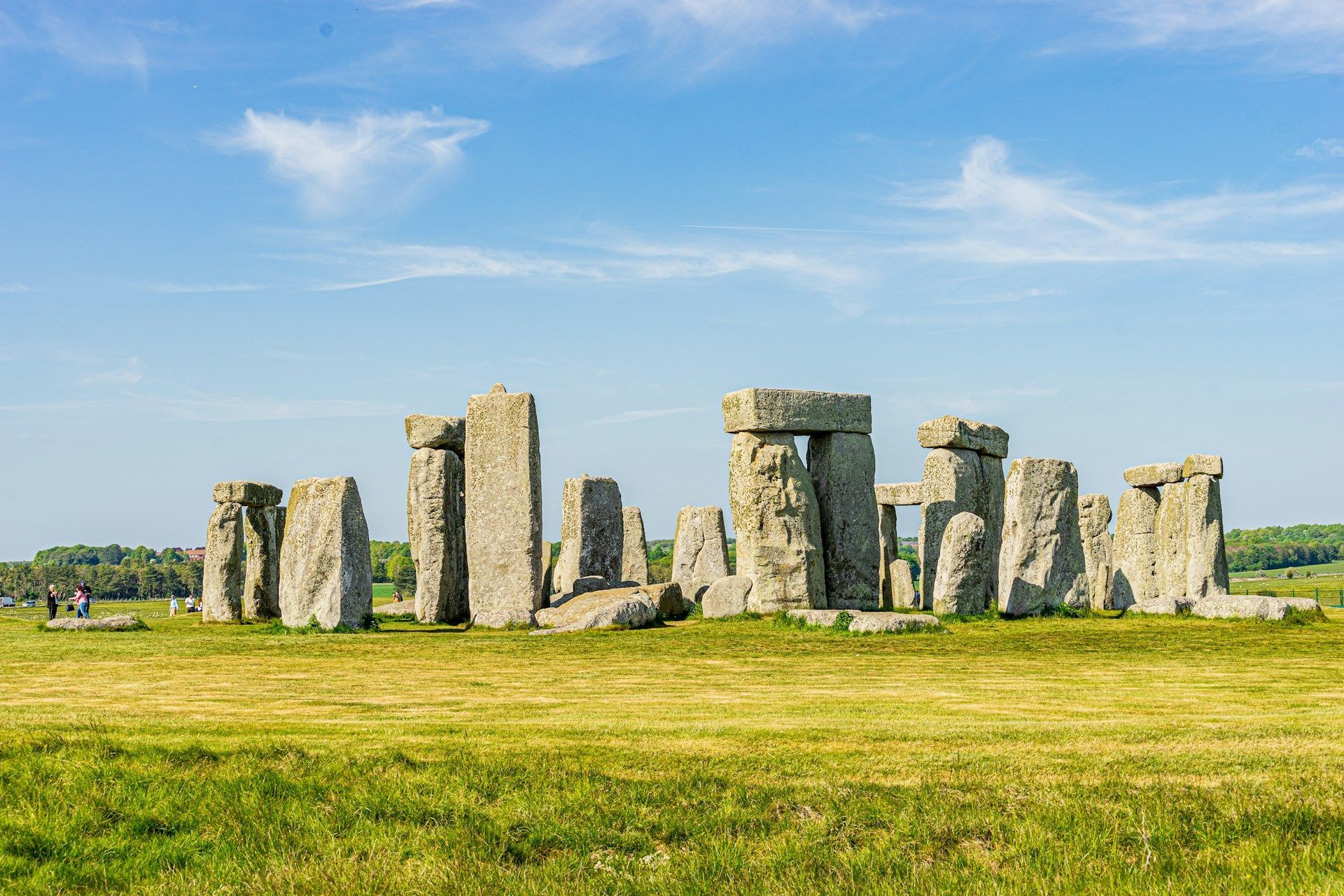
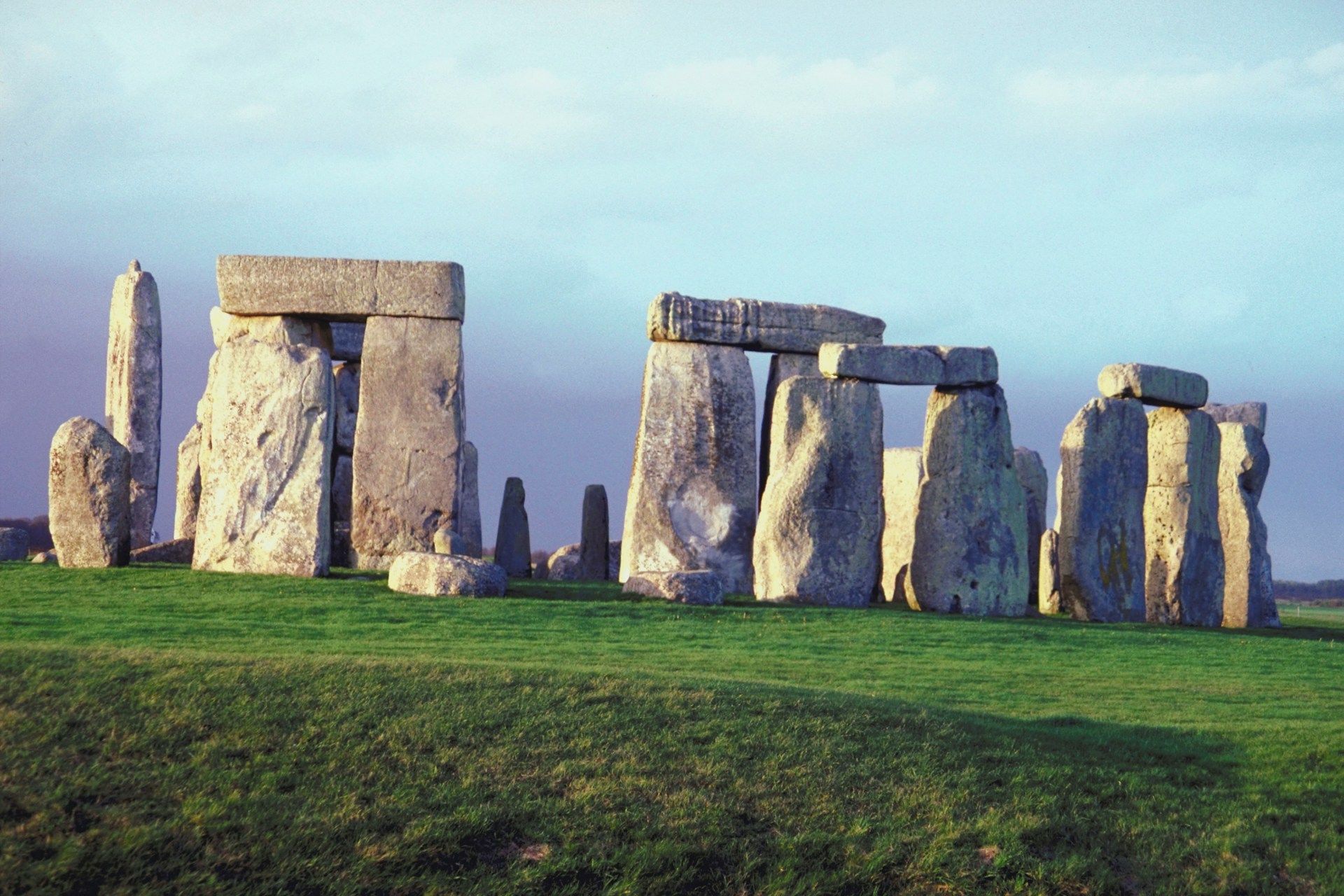
- Wiltshire and the Salisbury area, where small parish churches sit on routes to Stonehenge and Avebury.
- The Welsh Marches, the historic borderlands where many timber screens and medieval details survive.
- The Cotswolds and Somerset, whose prosperous wool churches often show off rich interior fittings.
At Heritage & Stone Tours, we build itineraries that combine major landmarks like Stonehenge, Bath, the Cotswolds, Salisbury, and the Jurassic Coast with carefully chosen churches. Each stop is there for a reason, whether it is an especially fine rood stair, a rare surviving crucifix, or a screen that still carries its original paint. That way, a visit feels like layers of one story building throughout the day, not like “one more church.”
Our tours focus on England and Wales, and, when private transportation is part of a wider trip, we can include selected sites in Scotland as well. We work with small groups, often from North America, so there is time for photography, quiet moments seated in a pew, and questions about details like roods, fonts, or carved bench ends. The pace is relaxed enough for visitors to really look, not just pass through.
Walking Under the Rood: Making Your Visit Meaningful
The next time you step into a historic church, pause in the nave and look carefully toward the chancel arch. Ask yourself what once stood there. Even if the original rood is gone, you may notice beam scars in the stone, a blocked stair door, or fragmentary carvings that show where it once rose above the screen. In some places you may find a restored crucifix, flanked by Mary and John, that continues the medieval tradition in modern form.
When we travel with guests from the United States and Canada, we often suggest a few questions that can turn a quick look into a thoughtful visit:
- Where would the rood or rood screen have been fixed?
- Can you find the old stair that once led up to the rood loft?
- How does the layout direct your eyes and your steps toward the altar?
- What do the surviving features say about how intense or intimate worship once felt here?
On well-planned heritage tours in England and Wales, details like these stop being just old wood or stone and become part of a human story that stretches across many generations. By learning to see the church through medieval eyes, especially at the point where the rood once stood, you gain more than photographs. You gain a clearer sense of how communities before us gathered, prayed, and looked up at the cross that framed the very center of their lives.
Start Planning Your Authentic English Heritage Journey Today
Explore England’s most storied landscapes and landmarks with Heritage & Stone Tours as your guide. Browse our curated
heritage tours in England to find the itinerary that matches your interests, pace, and travel dates. If you have questions or would like a custom experience, simply
contact us and we will help you shape a journey you will remember for years.
In This Article
Plan Your Day Trip
Tell us what interests you and we'll design the perfect itinerary for your group.
Share
More from the Journal