The Animals of Stonehenge
The Animals of Stonehenge: What Lived in the Landscape 4,500 Years Ago?
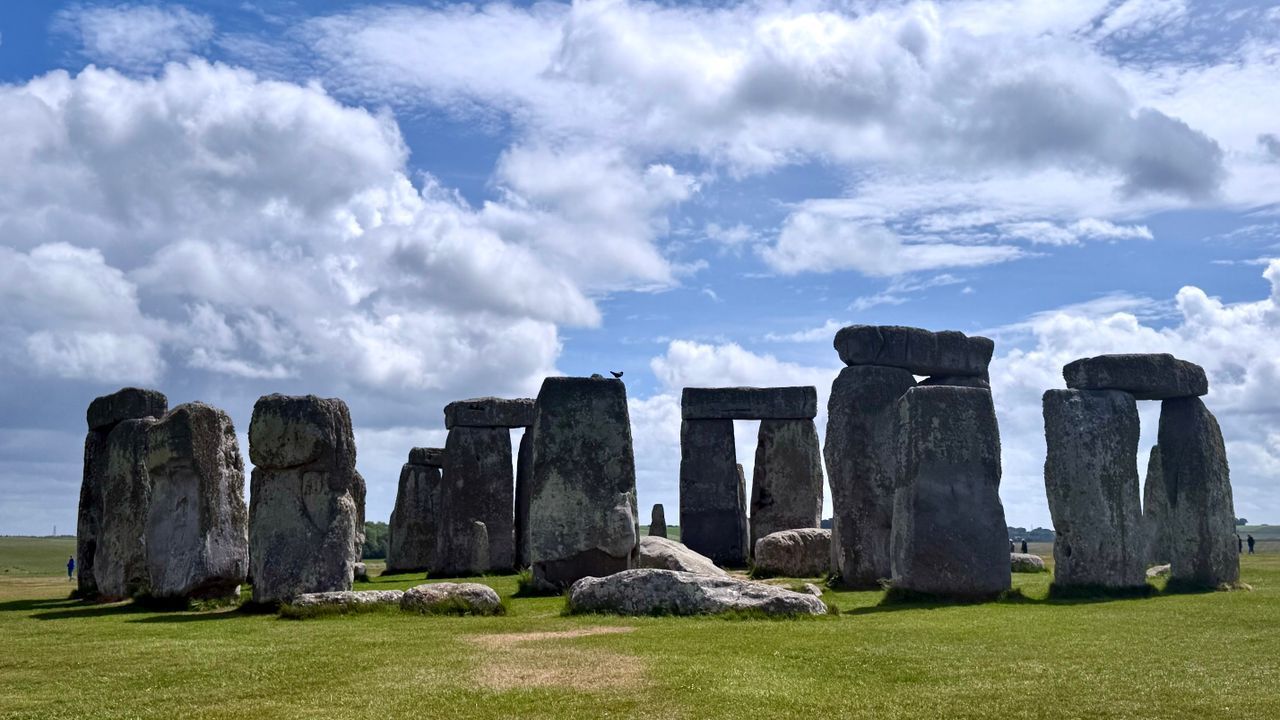
When we stand at Stonehenge today, it is easy to imagine the people who built it.
We think about the enormous stones, the work involved in moving them and the reasons they might have gathered here.
But there was another part of everyday life that is easy to forget.
Animals at Stonehenge
Around 4,500 years ago, the landscape around Stonehenge was not an empty piece of countryside. People were living here, farming, hunting and travelling across the land, and they shared the landscape with a mixture of domestic animals and wild creatures.
Some of those animals would have been very familiar to us.
Others would look quite different.
And some, such as the great wild aurochs, have disappeared completely from Britain.
Archaeologists have been able to learn a surprising amount about these animals from the bones and teeth left behind.
Cattle Were an Important Part of Life
Cattle were among the most important animals in the Stonehenge landscape.
Domestic cattle were brought to Britain from continental Europe at the beginning of the Neolithic period. English Heritage says the earliest cattle bone found in the Stonehenge landscape dates to around 3950–3790 BC. (Source: English Heritage)
By the time Stonehenge was being built, cattle were an important part of people’s lives.
They provided meat and milk, and they could also be used for pulling and carrying.
Their hides would have been useful too.
But cattle may have had a meaning beyond simply being useful farm animals.
Cattle bones were sometimes deliberately placed in prehistoric monuments, and some deposits appear to have had a ritual significance.
So when we find cattle remains at a prehistoric monument, we cannot always assume they were simply rubbish left after dinner. Sometimes the bones themselves may have been part of a ceremony.
The Pigs of Durrington Walls
If there is one animal that really stands out in the archaeological evidence from the Stonehenge period, it is the pig.
Just a couple of miles from Stonehenge, at Durrington Walls, archaeologists have found more than 38,000 discarded animal bones, representing at least 1,000 animals.
Around 90% of the identified bones and teeth came from pigs, with most of the rest coming from cattle. (Source:
English Heritage)
That is an enormous amount of evidence.
It tells us something about the scale of the gatherings taking place here.
People were not simply living quietly in small family groups. Large numbers of people appear to have gathered at Durrington Walls, where food was prepared and eaten.
The pig bones also contain clues about how the animals were cooked. Some show signs of burning and butchery consistent with roasting. (English Heritage)
So we can get a little glimpse of what a feast might have been like.
A pig being prepared.
A fire burning.
People gathering together.
Food being shared.
And somewhere across the landscape, Stonehenge was taking shape.
Some of the Pigs Came From Very Far Away.. This is perhaps one of the most surprising discoveries.
Scientists have studied the teeth of pigs found at Durrington Walls and found evidence that some of them were raised far from Wiltshire. Some appear to have come from west Wales, while others came from northern parts of Britain, with evidence pointing as far away as north-east Scotland. (Source: English Heritage)
Think about that for a moment.
Thousands of years ago, people were bringing pigs from hundreds of miles away to gatherings near Stonehenge.. The animals were probably driven to the area rather than being slaughtered elsewhere and transported as meat.
So the animals themselves were travelling across prehistoric Britain.
It gives us another clue that Stonehenge was connected to communities far beyond Salisbury Plain.
What About Sheep?
Sheep were also part of Neolithic life, although they appear in much smaller numbers in some of the Stonehenge archaeological evidence than pigs and cattle. People kept sheep for meat, milk and other useful products. But sheep were not necessarily the most important animal at the large gatherings around Stonehenge.
At Durrington Walls, pigs dominate the animal remains, while cattle are the next most significant group. (Source: English Heritage)
This may tell us something about the difference between everyday farming and special occasions. Perhaps pigs were particularly important for feasting.
Deer Still Roamed the Landscape
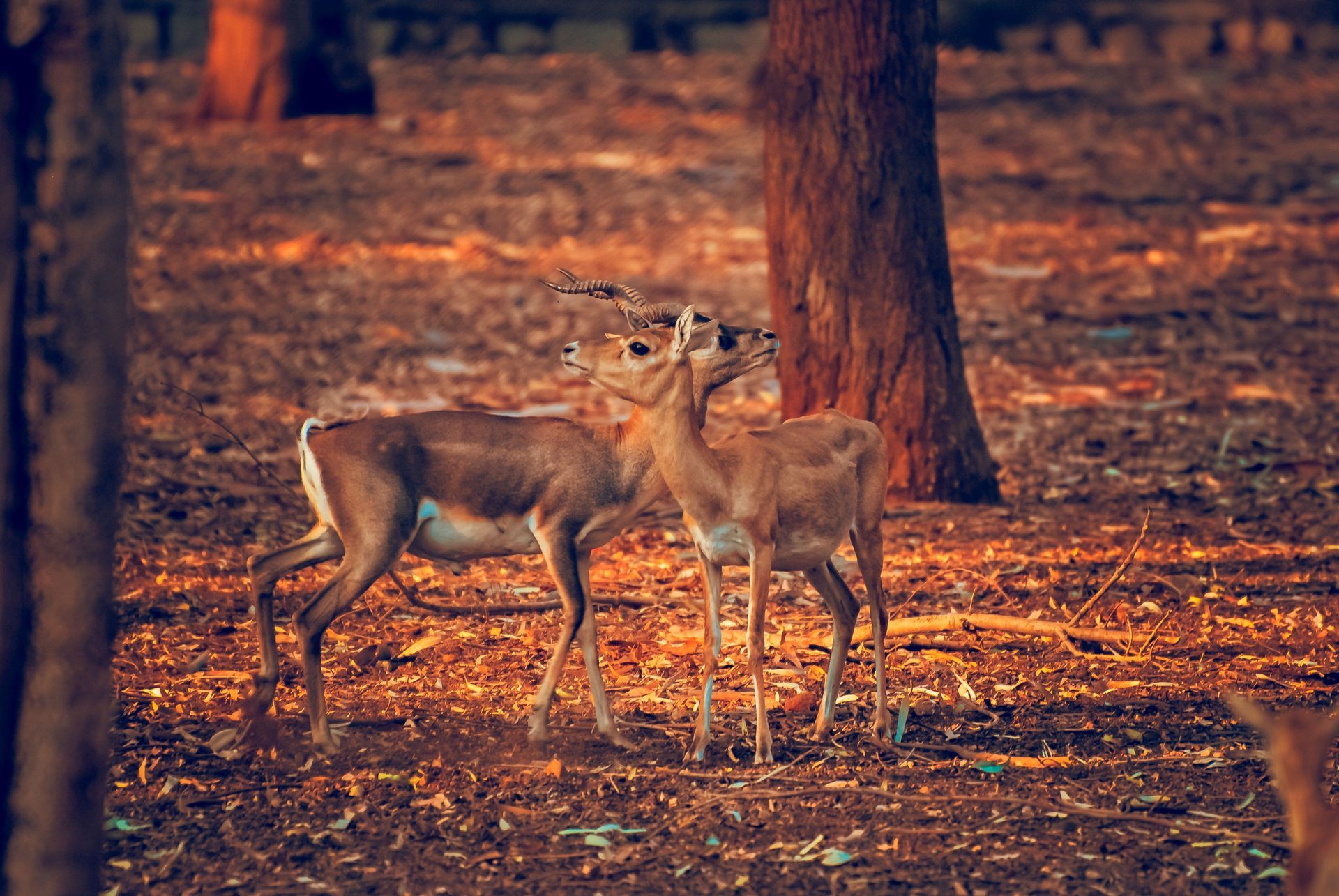
Not every animal around Stonehenge belonged to people. Wild deer were also present.
Archaeological discoveries from the wider Stonehenge landscape include red deer and roe deer.
They were hunted, although by the later Neolithic period deer seem to have played a smaller role in the diet than domestic animals such as cattle and pigs. (Source: Historic England)
Red deer were also important for their antlers. Antler was a valuable material that could be worked into tools and other objects.
There is something particularly fascinating about finding evidence of wild deer alongside the remains of domestic cattle and pigs. It reminds us that the landscape was not completely controlled by people.
Wild animals were still part of it.
The Aurochs: Britain’s Wild Cattle
One of the most impressive animals that lived in prehistoric Britain was the aurochs.
The aurochs was a large wild ancestor of modern cattle.
It was considerably more imposing than the cattle we are familiar with today.
Aurochs survived in Britain into the Bronze Age before eventually becoming extinct here. English Heritage notes that some prehistoric cattle also appear to have interbred with wild aurochs. (Source: English Heritage)
So imagine walking across Salisbury Plain thousands of years ago. There could have been domestic cattle belonging to your community grazing nearby. But somewhere in the wider landscape there could also have been much larger wild cattle.
That is a very different countryside from the one we know today.
Dogs Were Part of the Community Too
Dogs were also living alongside people. Bones from prehistoric dogs have been found at Stonehenge itself and at nearby sites including Durrington Walls.
English Heritage estimates that these dogs were between roughly 37 and 62 centimetres tall at the shoulder. (English Heritage)
They probably had practical jobs. Dogs could help people with hunting.
They could assist with herding livestock.
They could also help protect animals.
But it is easy to imagine that they were more than working animals too.
Anyone who has spent time around dogs knows how quickly they become part of human communities.
Perhaps the same was true thousands of years ago.
Birds and Other Wild Animals
Animal remains from Stonehenge and the surrounding monuments also include birds and other wild species.
English Heritage notes that deposits in the Stonehenge ditch included cattle, pig, deer, bird and dog bones. (Source: English Heritage)
There were therefore many different kinds of animal moving through this landscape.
Some were hunted.
Some were raised by people.
Some may have been used in ceremonies.
And some were simply part of the natural world around them.
What Did the Stonehenge Landscape Look Like?
It is important not to picture Stonehenge as it appears in every modern photograph.
The landscape was already largely open grassland during the early Neolithic period, although there was also a mixture of trees and shrubs.
People grazed cattle across the area, and communities moved between settlements and grazing grounds. (Source: English Heritage)
Over time, farming and human activity changed the landscape.
The animals changed it too.
Grazing cattle and sheep would have affected the vegetation, while wild animals moved through areas that were still much less developed than they are today.
It would have been a busy, living landscape.
Stonehenge Was Built in a Living World
This is perhaps the most interesting way to think about Stonehenge.
The monument wasn’t built in an empty wilderness.
It was built in a landscape where people were farming, hunting, keeping animals, travelling and gathering.
There were cattle in the fields.
Pigs being prepared for feasts.
Dogs living alongside people.
Deer moving through the wider countryside.
And wild aurochs somewhere beyond the settlements.
People were building monuments while carrying on with the ordinary business of life.
That makes Stonehenge feel much more human.
What Happened to These Animals?
Many of the animals that lived in this landscape thousands of years ago are still familiar to us.
Cattle, pigs, sheep and dogs are still part of British life.
But the wild landscape has changed considerably.
The aurochs disappeared from Britain.
Wild deer are now managed within a very different landscape.
And the huge prehistoric gatherings around Stonehenge are long gone.
What remains are fragments: bones, teeth, tools, pottery and the monuments themselves.
Yet those fragments allow archaeologists to reconstruct pieces of a world that disappeared thousands of years ago.
Look Beyond the Stones
When you visit Stonehenge, it is worth remembering that the monument was only one part of the story.
Look across Salisbury Plain and try to imagine the landscape before modern roads, houses and farms.
Imagine cattle grazing.
Imagine a herd of pigs arriving from far away.
Imagine dogs working alongside their owners.
Imagine deer moving through the open grassland.
And perhaps, somewhere in the distance, one of Britain’s great wild aurochs.
The people who built Stonehenge lived in a world full of animals.
Those animals provided food, materials, companionship and, in some cases, probably played a role in their beliefs and ceremonies.
The stones have survived for thousands of years.
But the animal bones have survived too.
And together they give us something very special: a glimpse not just of the monument, but of the living world that surrounded it.
In This Article
Plan Your Day Trip
Tell us what interests you and we'll design the perfect itinerary for your group.
Share
More from the Journal