

Salisbury
Medieval Cathedral City
A soaring Gothic cathedral, one of the oldest surviving copies of Magna Carta, cobbled medieval streets and the ancient hilltop fortress of Old Sarum — Salisbury is one of England's most richly layered historic cities. Compact, walkable, and utterly captivating, it rewards curious visitors with over 800 years of living history at every turn. Add Salisbury to your bespoke tour and discover a city that has shaped the story of England.
Soaring Gothic Cathedral
Medieval Streets & Markets
800 Years of Living History
Magna Carta - 1215
Ancient Old Sarum Fortress
Places to Discover
Salisbury & Beyond
Why Visit Salisbury?
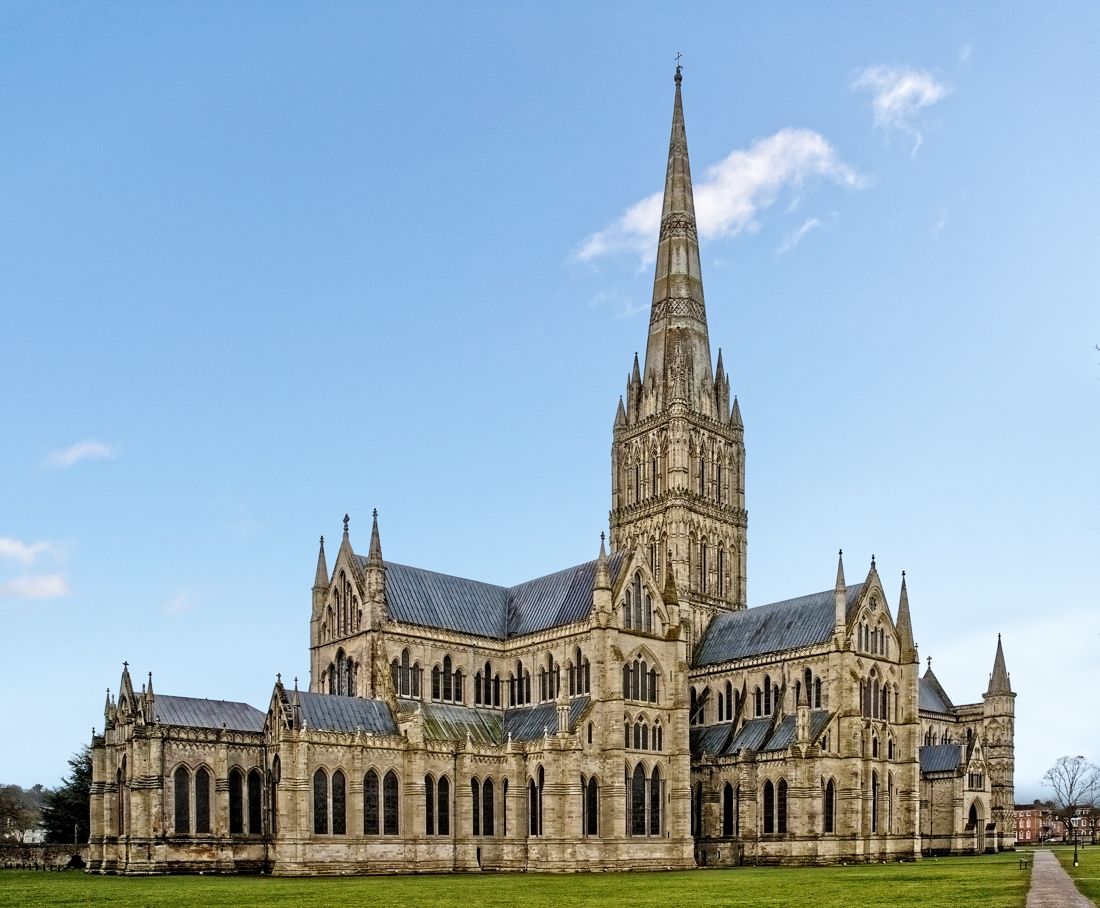
Few English cities carry the weight of history quite as gracefully as Salisbury. Rising above the rooftops and meadows of the Avon Valley, the cathedral's famous spire — the tallest in Britain — has guided travellers to this city for centuries. Yet Salisbury is far more than its skyline.
Within the compact city centre you will find medieval churches, timber-framed inns, a working market that has traded since 1227 and the ancient Close — one of the finest cathedral precincts in Europe. It is a city that invites you to slow down, look up and step back in time.
Combined with a visit to Stonehenge, just nine miles to the north, Salisbury makes for one of the most historically rewarding days out in all of England.
Salisbury Cathedral
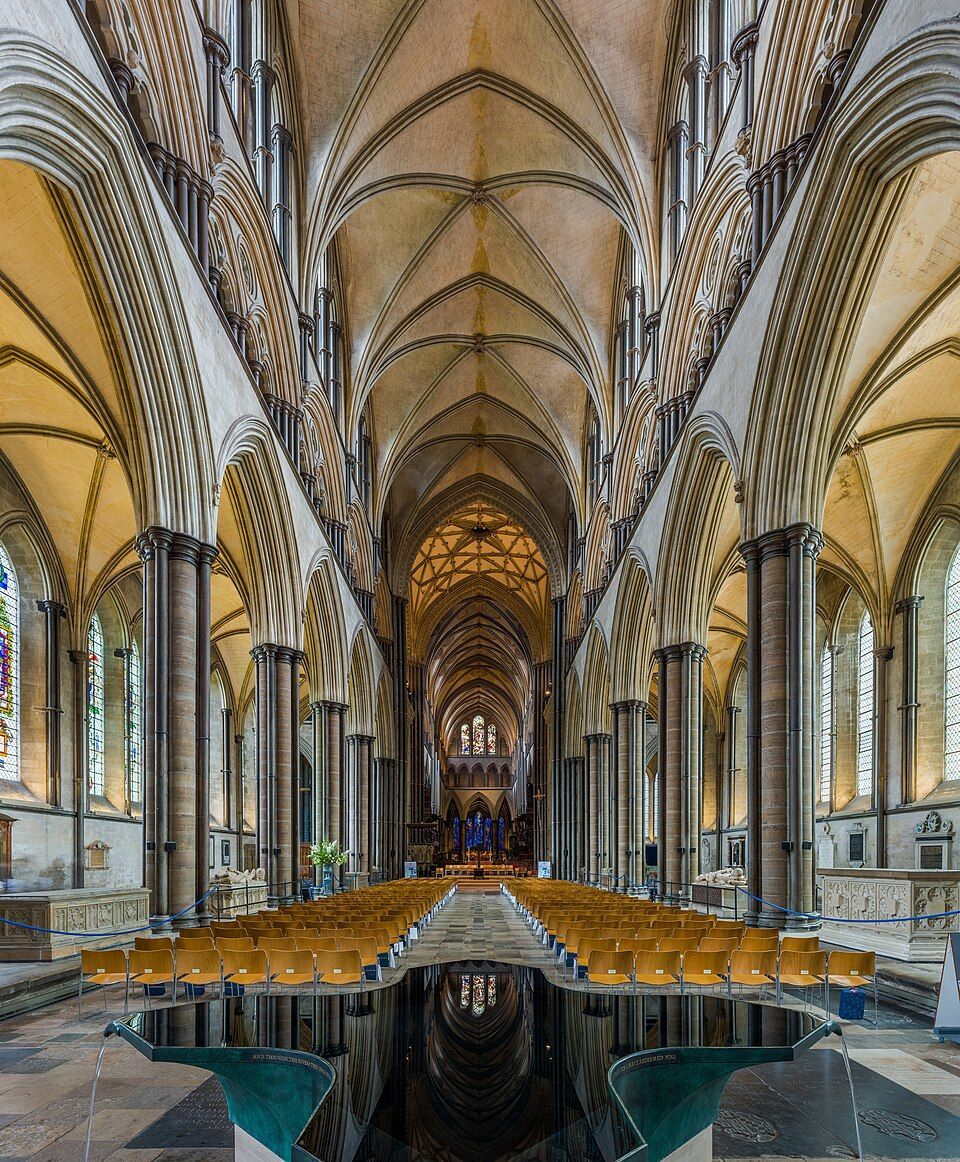
Built in a single remarkable burst of construction between 1220 and 1320, Salisbury Cathedral is one of the finest examples of Early English Gothic architecture in the world. Unlike many great English cathedrals, which evolved piecemeal over many centuries, Salisbury has a rare architectural unity — a quality that gives it an almost timeless elegance.
Its spire, added in the early fourteenth century, reaches 123 metres into the Wiltshire sky and remains the tallest cathedral spire in the United Kingdom. Inside, the cathedral holds one of the world's four surviving original copies of Magna Carta, displayed in the atmospheric Chapter House and visited by hundreds of thousands of people each year.
The surrounding Cathedral Close, enclosed by medieval walls, is one of the largest and most beautiful in England — a peaceful world apart from the busy city beyond.

Magna Carta - The Document That Changed the World
Undoubtedly, one of the major attractions at Salisbury Cathedral is the beautifully conserved copy of the 1215 Magna Carta which has been in Salisbury Cathedral’s possession since it was “sealed” by King John into English law in June 1215.
The copy you will see is one of only four (from an estimated 14 that were written in 1215) that have survived to the present day and is widely acknowledged as the best preserved.
The Salisbury Magna Carta is situated in the Medieval Chapter House access to which is included in the Cathedral’s admission ticket. The specially designed exhibition centre shows pictures of all four remaining 1215 copies as well as a translation of the text into English.
You will see that the Salisbury 1215 Magna Carta (effectively the first edition), has been beautifully written onto a single sheet of parchment (sheep skin) and comprise 3,500 words divided into 63 clauses. The Chapter House also has a number of exhibits which will enhance your understanding of this precious and important document and there will also be Cathedral Guides present to answer any questions you might have.
A Medieval City - Very much still alive!
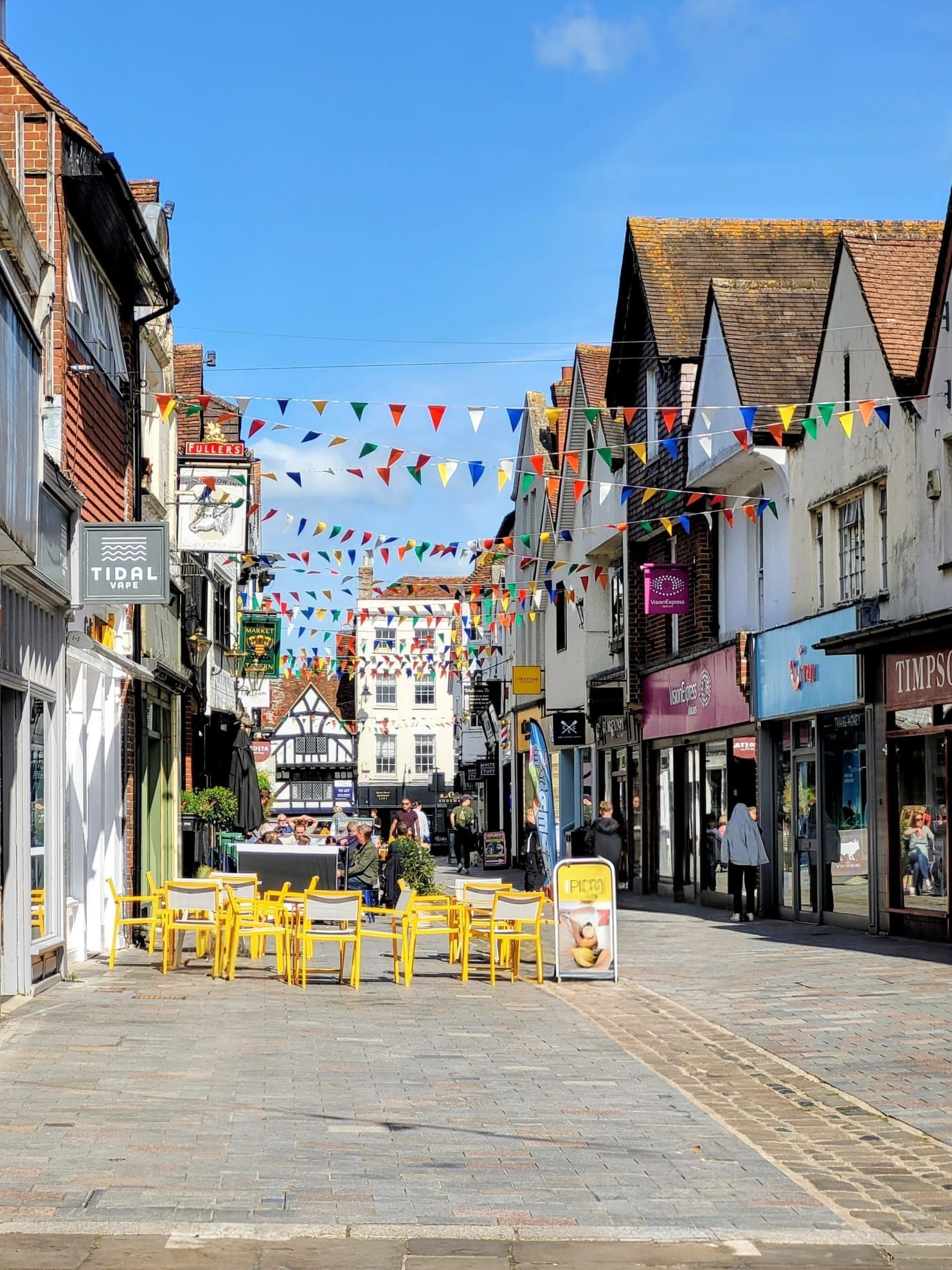
Salisbury was a planned medieval city, laid out in the thirteenth century on a rational grid of streets, or 'chequers', each originally assigned to a specific trade. Centuries later, that medieval street plan survives almost intact — and many of the trades, in one form or another, are still here too.
The Charter Market, held twice weekly in the Market Square since 1227, is one of England's oldest and most continuous markets. The city's medieval inns, almshouses and guildhalls tell the story of a prosperous wool and cloth trade that once made Salisbury one of the wealthiest cities in England.
Wandering the lanes of the city centre — particularly around the Cathedral Close, the High Street and the Poultry Cross — is to walk through a landscape shaped by eight centuries of civic and commercial life, with its layers still delightfully legible to those who know where to look.
Old Sarum — Where It All Began
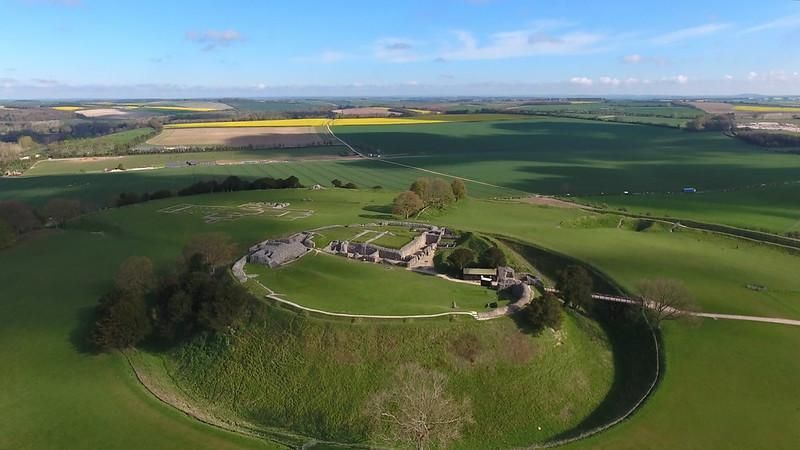
Before there was Salisbury, there was Old Sarum. Perched on a dramatic chalk hill just two miles north of the city centre, this ancient hilltop settlement has been occupied in some form for over 5,000 years. Iron Age tribes fortified the hill; the Romans established a road junction here; the Normans built both a castle and a cathedral within its mighty earthworks.
It was from Old Sarum that the medieval city of Salisbury was born. In 1217, following persistent conflict between the clergy and the military garrison sharing the cramped hilltop, Bishop Richard Poore received permission to move the cathedral down into the valley below. The new city grew rapidly, and Old Sarum was gradually abandoned.
Today, managed by English Heritage, the site offers sweeping views across Salisbury Plain and a remarkable journey through the deepest layers of English history — from prehistoric earthworks to Norman ruins, all in one extraordinary place.
Image courtesy of Visit Wiltshire
YOUR TOUR, YOUR WAY
A Bespoke Way to Experience Salisbury
Rather than a fixed route, our private tours are designed around what interests you most. Choose between a multi-day tour or one-day tours, depending on your pace and how many stops you'd like to make.
Meet & greet at arrivals/hotel
Travel at a relaxed, comfortable pace
Enjoy insights from a knowledgeable local guide
Stop for lunch, cream tea, antique shops & hidden gems
Perfect for couples, families and small groups