Bungaroosh Walls and the Secret History of Brighton & Hove
Why Bungaroosh Matters to Curious Travelers
Some of the most interesting stories on heritage tours in England are not in museums or guidebooks, but hidden in the walls around you. In Brighton & Hove, one of the most revealing building traditions is something with a strange local name: bungaroosh. Once you know what it is, your walk through the city’s lanes and elegant squares suddenly feels very different.
Bungaroosh is a quirky, mixed-rubble wall construction found mainly in Brighton & Hove and parts of Sussex. It was cheap, quick to build, and often hidden behind smooth stucco fronts. For visitors from the United States and Canada, this is one of those delightful local details that turns a pleasant seaside stroll into a deeper encounter with British social history, coastal life, and the practical headaches of building so close to the sea. When we guide travelers across southern England, we find that learning to read these odd local methods is part of what makes heritage tours in England so rewarding.
What Exactly Is Bungaroosh?
At its simplest, bungaroosh is a wall made from whatever the builder could get hold of. Instead of carefully cut stone blocks, you have a jumble of:
- Flint nodules from the chalk downs
- Broken bricks and rejected bricks
- Chalk blocks and beach rubble
- Lime mortar binding everything together
- Occasional timber offcuts and odd scraps
Builders would put up wooden formwork, then pour or pack this mix in, a bit like casting a wall. Once it had set, they would often cover the whole thing with stucco, then paint it to resemble a more expensive stone façade. To a passerby on the seafront, the house looked refined and fashionable, even if its core was improvised and rough.
This technique took off in Brighton & Hove in the late 18th and early 19th centuries, when the town exploded from fishing village into seaside resort. There was huge demand for new lodging houses, terraces, and squares, but limited access to high-quality building stone. Bungaroosh was quick, relatively cheap, and made good use of local materials. It was the construction equivalent of making a hearty stew from leftovers.
Today, bungaroosh has a mixed reputation.
- Some surveyors groan when they hear the word, because it can be unpredictable inside
- Home buyers sometimes worry about damp, movement, or difficult repairs
- Conservationists and historians, on the other hand, see it as an authentic record of how ordinary builders responded to local pressures and materials
On our tours, we like to treat bungaroosh as a conversation starter. It asks us to look behind the surface and think about who built these houses, how fast they had to work, and what they had at hand.
Brighton & Hove’s Growth Written in Its Walls
Bungaroosh belongs to the story of how Brighton turned from a windswept fishing settlement into a fashionable resort for visitors from London and beyond. As the city grew, speculative builders raced to create entire terraces and crescents facing the sea. They needed outward elegance to appeal to wealthy guests, but also had to keep costs down. Bungaroosh behind smooth stucco fronts solved that problem.
You are most likely to be standing next to bungaroosh in:
- The Lanes, where older houses and little yards reveal patched and weathered side walls
- Kemp Town, behind the glamorous fronts of Regency terraces
- Brunswick, with its grand crescents and side alleys
- Basement lightwells and side returns, where the outer coat of stucco has cracked or peeled away
- Crumbling garden and boundary walls, especially near the sea air
The social history is literally built into the fabric. Smart Regency fronts were designed to impress high-status visitors and passing carriages, yet behind them, rough bungaroosh often carried the load. This contrast between public display and hidden structure mirrors stories we see on heritage tours in England more broadly: country houses with plain service wings, churches with patched flintwork at the back, cottages upgraded piecemeal as families could afford it.
When we walk with guests through Brighton & Hove, we like to pause where bungaroosh is exposed. A quick look at the wall can open a conversation about class, fashion, seaside health tourism, speculation, and how quickly a place can reinvent itself.
Strengths, Quirks, and Problems of Bungaroosh
For something that looks so rough, bungaroosh can perform surprisingly well under the right conditions. If it is kept dry and allowed to breathe, it can stand for centuries. The lime mortar is flexible enough to move slightly with the building, and the mix of materials can spread loads in a forgiving way.
But bungaroosh has some clear weaknesses:
- It dislikes constant damp, especially from leaking gutters or poor ground drainage.
- Salt-laden coastal air can accelerate decay when water penetrates the wall.
- Hard modern cement repairs trap moisture, which then freezes, thaws, and damages the softer core.
- Poorly understood alterations, like cutting large openings, can cause bulging or cracking.
Owners and restorers in Brighton & Hove often face:
• Crumbling sections behind old plaster
• Odd bulges in stucco that hint at movement inside
• Moisture problems where concrete or modern paints have sealed walls too tightly
• Time-consuming surveys, as you never quite know what mix of rubble you will find
Conservation professionals in England tend to approach bungaroosh gently. They prefer breathable lime mortars over cement, careful repointing instead of wholesale replacement, and improved ventilation rather than sealing everything. The goal is to respect the original materials and let them work as they were meant to, rather than forcing modern solutions onto an older system.
For many visitors on heritage tours in England, seeing this kind of thoughtful repair work, and hearing why it matters, offers a new appreciation for how deeply people care about their built past.
Seeing Bungaroosh on a Southern England Journey
You do not need specialist equipment to spot bungaroosh, just a curious eye and a bit of context. During a day in Brighton & Hove, try looking for:
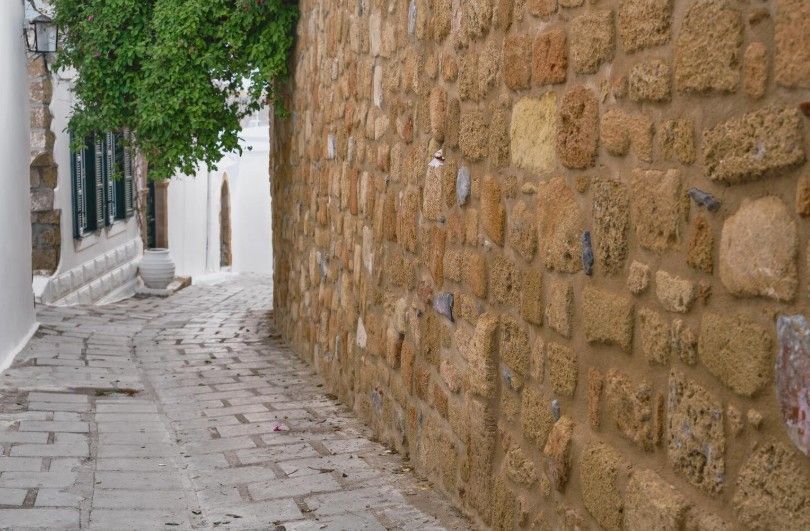
- Peeling or cracked stucco where a rough, multi-colored rubble mix shows through
- Basement lightwells with irregular flint, brick fragments, and chalk blocks in the walls
- Garden or boundary walls that look patchy, with different materials packed together
- Side alleys where the backs and sides of houses are exposed, revealing less formal construction
A day at the seaside here fits naturally into wider heritage tours in England and Wales. Many of our guests like to combine Brighton with:
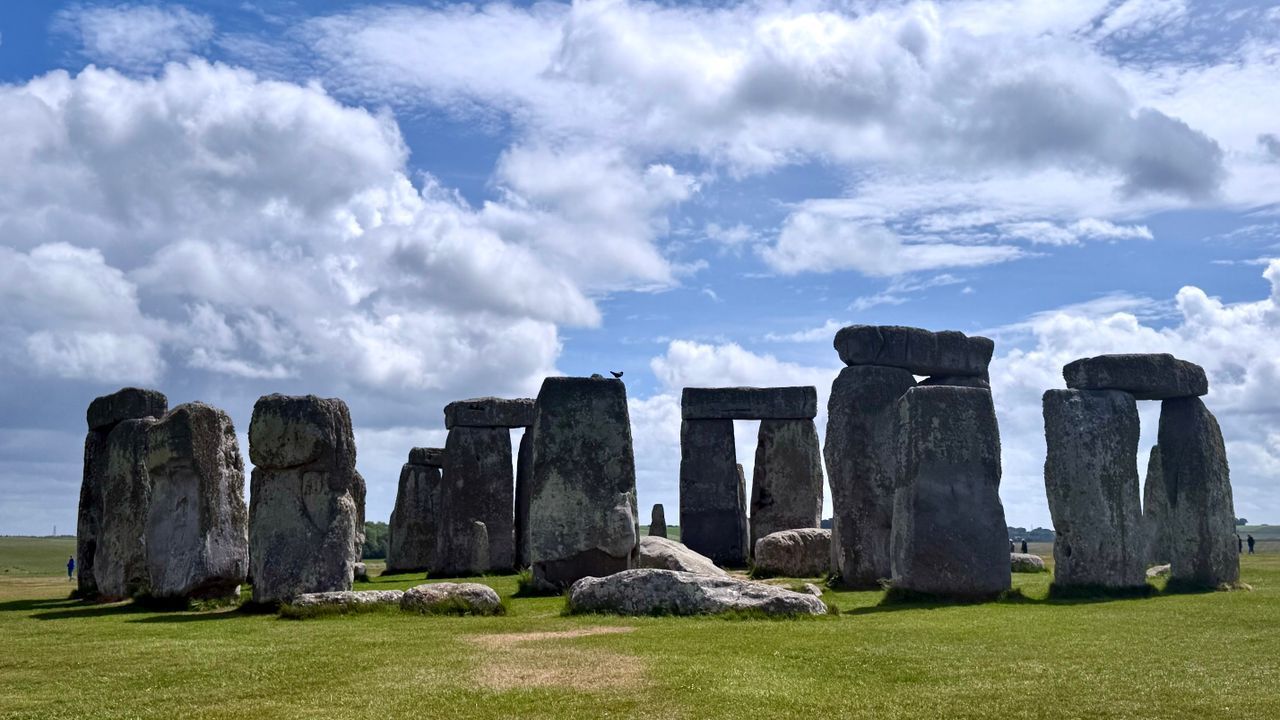
- Stonehenge, for ancient stonework on the chalk downs that supplied some of Brighton’s materials
- Bath, with its formal Georgian stone facades that contrast with Brighton’s improvisation
- Avebury and Salisbury, for deeper layers of prehistoric and medieval building traditions
- Lacock and the Cotswolds, where honey-colored stone gives a different regional flavor
- The Jurassic Coast, where geology, cliffs, and local stone quarries shaped coastal settlements
With private transportation, it becomes easier to thread these places together in a way that makes sense of the landscape. A knowledgeable driver guide can point out not just the famous front views, but also the back lanes, half-hidden flint churches, chalk cuttings, and old farm walls that link Brighton’s bungaroosh to wider building traditions across southern England.
Explore Brighton’s Walls and Beyond with a Private Guide
Next time you visit Brighton & Hove, try slowing down and looking closely at the walls around you. Ask your host or guide whether the building includes bungaroosh, and see if you can spot any exposed patches or repairs. Once you start noticing it, you may find that the city feels less like a postcard and more like a story in progress, written in flint, chalk, lime, and brick fragments.
For travelers from the United States and Canada planning heritage tours in England, Brighton can sit comfortably alongside icons like Stonehenge or Bath, or form part of a broader private route that reaches across southern England and into Wales, with Scotland possible when private transport is arranged. What ties these places together is not only their big, headline sights, but also the smaller details that a local driver guide can help you see: unusual walling techniques, quirky repairs, and the way each region has learned to build with what the land provides. When we share tales of bungaroosh, we are really inviting you to read the walls wherever you go, and to treat every street as a quiet archive of lived history.
Experience England’s Legendary Past With a Tailored Tour
If you are ready to turn your curiosity about England’s history into a journey you will remember, we are here to help you plan every detail. Explore our curated
heritage tours in England to find the itinerary that fits your interests and travel style. At Heritage & Stone Tours, we work closely with you to shape an experience that brings iconic sites and hidden stories to life. Have questions or need something more customized, just
contact us and we will guide you through the next steps.
In This Article
Plan Your Day Trip
Tell us what interests you and we'll design the perfect itinerary for your group.
Share
More from the Journal