Why Thousands Chase the Solstice Sunrise at Stonehenge
Standing in the First Light: The Magic of Solstice at Stonehenge
The summer solstice sunrise at Stonehenge is not a quiet event you stumble into by accident. It is a deliberate pilgrimage, usually starting in deep night on the wide, open Salisbury Plain. The air is often chilly, breath hanging in front of faces, as thousands of people shuffle toward the dark outline of the stones, guided by torchlight, drumbeats, and the low murmur of voices waiting for the first streaks of color in the sky.
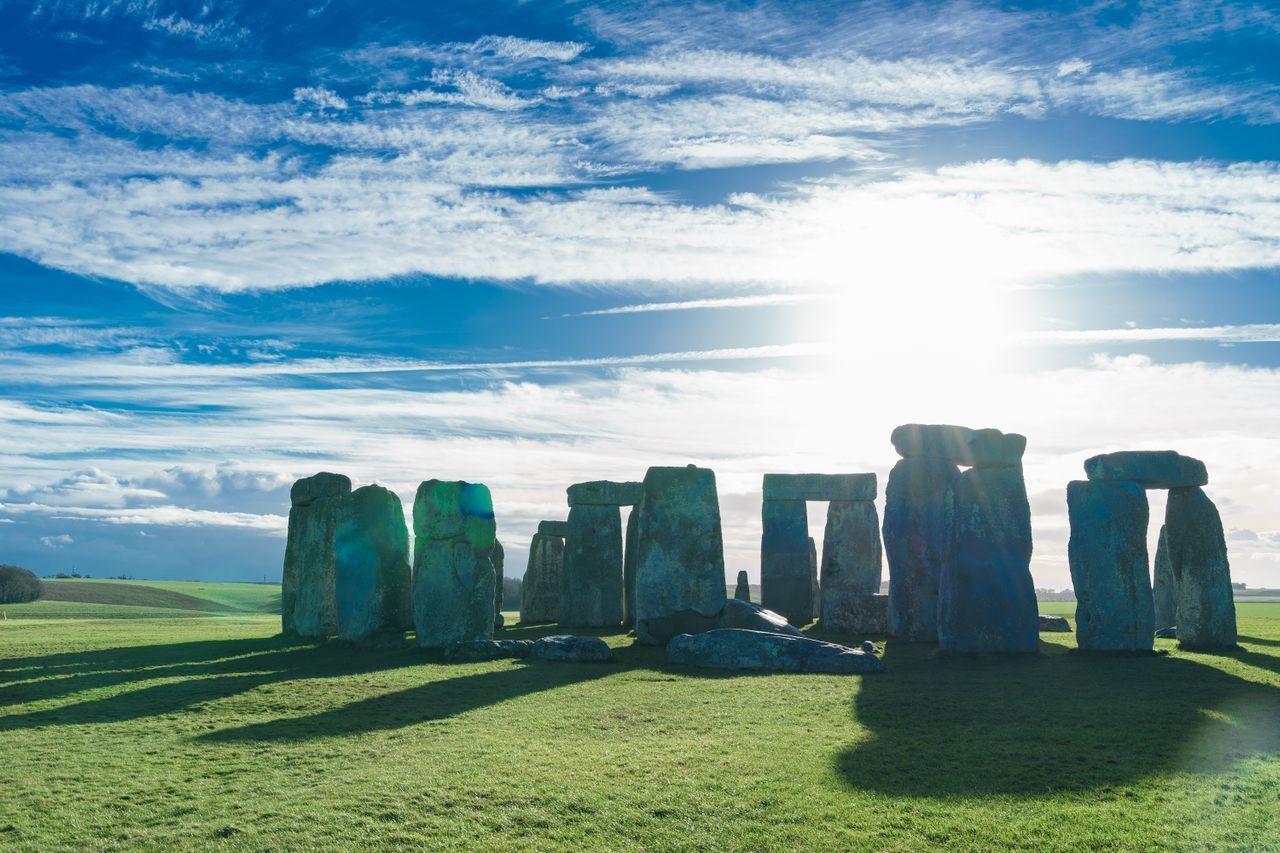
The solstice itself is simple to understand. It is the longest day of the year in the northern hemisphere, the moment when the sun reaches its highest point in the sky. At Stonehenge, the rising sun appears along a particular axis of the monument, creating a powerful sense that this ancient circle is in direct conversation with the sky. Even visitors with no spiritual background feel the pull of that alignment.
For many travelers, the shared experience of thousands greeting the sun is unforgettable. For others, the crowds, noise, and lack of personal space feel overwhelming. That is why many people inspired by the solstice choose private Stonehenge tours on nearby days, when they can step close to the stones, take their time, and let that same feeling of wonder sink in more quietly.
Ancient Engineers and the Solar Puzzle
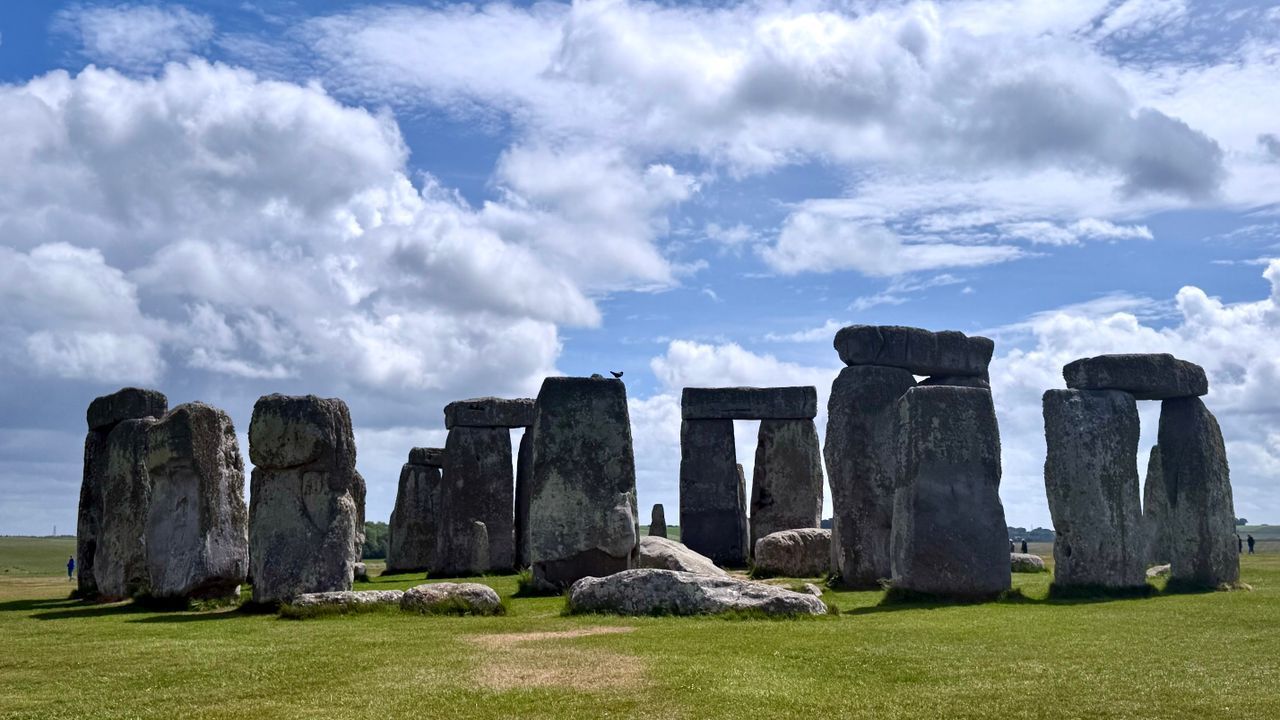
Stonehenge is not a random scatter of stones on a hill. Archaeologists see a carefully planned structure, with its great sarsens and smaller bluestones arranged in rings and horseshoes that pick out key directions in the sky. One of the most famous alignments is with the summer solstice sunrise, when the sun appears in line with the entrance to the monument. The winter solstice sunset on the opposite horizon seems to have been just as important.
These alignments tell us a lot about the people who built Stonehenge. They were not guessing at the seasons. They were watching the sky over many years and marking:
• Where the sun rose and set at key times
• How those positions shifted along the horizon
• When it was time to plant, harvest, and prepare for winter
• Moments in the year that felt like natural times for ceremony
From this, several leading ideas about Stonehenge have emerged. Researchers often talk about it as:
• A ceremonial center that drew communities together
• A place connected with ancestors and burial traditions
• A kind of ancient observatory that tracked the sun
• A gathering point at the turning points of the year
We will probably never know a single, simple answer. Still, the solstice alignment sits at the heart of many theories, linking daily life, agricultural cycles, and spiritual beliefs and the movement of the sun.
From Neolithic Rituals to Modern Pilgrimage
People have been drawn to Stonehenge for thousands of years. In the Neolithic and Bronze Age, different parts of the surrounding landscape were used for burials, processions, and gatherings. The exact rituals have faded, but the pattern of coming together at significant times of year appears very old.
In more recent centuries, new layers of meaning have grown around the stones. Druids and Pagans have adopted the site as a place to honor the cycles of nature. Today, the summer solstice sunrise feels like a living mix of old and new, with:
• Drumming circles beating out rhythms through the night
• Silent meditations tucked into corners of the circle
• People in robes and flower crowns greeting the dawn
• Families, photographers, and curious travelers sharing the same view
English Heritage, which manages Stonehenge, carefully controls access for the event. Solstice morning is very different from a standard visit or from private Stonehenge tours on other dates. Protective barriers are removed, and people are allowed close to the stones for a limited period. That creates a special sense of freedom, but it also changes the atmosphere completely compared with a quieter, timed entry visit.
What It Is Really Like in the Solstice Crowd
On television or online, the solstice sunrise at Stonehenge often looks calm, golden, and almost timeless. In person, it feels much more like a small, temporary festival. Visitors usually arrive in the middle of the night, walk some distance from their car or coach, then pass through security before joining the crowd inside the monument field.
Here is what most travelers can realistically expect:
• Very early or all-night starts with limited sleep
• Long walks over uneven grass in the dark
• Security checks and waiting at bottlenecks
• Food stalls, music, and a party-like feeling at times
The rewards are real. There is a strong sense of community as strangers share blankets, sing together, or clap when the sun finally breaks through the clouds. When the sky cooperates, the first light flaring between the stones can be genuinely moving.
There are also challenges:
• It can be noisy and crowded, with little room to move
• The weather may be cold, wet, or cloudy
• Photos can be hard to frame without people in the way
• Quiet reflection is difficult when drums and cheers start up
Many visitors from the US and Canada enjoy watching the solstice from afar, then choosing private Stonehenge tours on nearby days. That way they experience the stone circle with expert commentary, calmer surroundings, and easier logistics, while still understanding the solstice story that makes the site so famous.
Planning Your Own Solstice-Inspired Stonehenge Visit
You do not have to be there on the exact solstice to feel its magic. The sun rises and sets along similar paths for several days around the longest and shortest days of the year, and the stones are impressive in every season. For travelers planning a visit, it helps to think in terms of light and timing.
Good options often include:
• Early-morning visits, when the site is usually quieter
• Late-afternoon trips that slide into golden hour
• Days just before or after the solstice period
• Pairing Stonehenge with nearby highlights like Bath, Salisbury, Avebury, or the rolling countryside
For visitors from North America, experience-led, private Stonehenge tours can make the day more relaxed. With a private guide, you can typically enjoy:
• Pick-up from your hotel in London, Bath, Salisbury, or nearby areas
• Flexible start times that fit your jet lag and interests
• Tailored commentary about archaeology, myth, and local stories
• Suggestions for the best viewpoints and photo angles
If you are chasing that solstice feeling without the crowds, there are simple ways to do it. On a quieter day, you can stand along the solstice alignment, listen as your guide explains how ancient observers watched the same horizon, and take a few moments to notice the wind, the birds, and the open sky. The experience can feel just as meaningful without thousands of people at your shoulder.
Chase the Sunrise, Skip the Stress
In the end, the right Stonehenge experience depends on your personality. Some travelers thrive on the energy of thousands of people, music, and shared celebration at sunrise. Others prefer space to think, ask questions, and move at their own pace with a guide who knows the area well. Both choices are valid ways of honoring the same ancient moment in the year.
What matters most is the connection that places like Stonehenge can create, linking us to time, landscape, and human history. Whether you stand in the crowd on solstice morning or visit quietly on a different date through private Stonehenge tours, you are sharing in a very old tradition: watching the sun rise or set over the same stones that have marked the turning of the year for countless generations.
Transform Your Stonehenge Visit Into a Truly Private Experience
Make your time at Stonehenge unforgettable with our carefully curated
private Stonehenge tours
tailored to your pace, interests, and group. At Heritage & Stone Tours, we handle the logistics so you can focus on the stories, scenery, and special moments that matter most. If you have questions or want help choosing the right experience, simply
contact us
and we will guide you through your options.
In This Article
Plan Your Day Trip
Tell us what interests you and we'll design the perfect itinerary for your group.
Share
More from the Journal