Beyond the Stones at Stonehenge: Stories, Landscapes, and Lives
Stepping Into a Story Older Than History
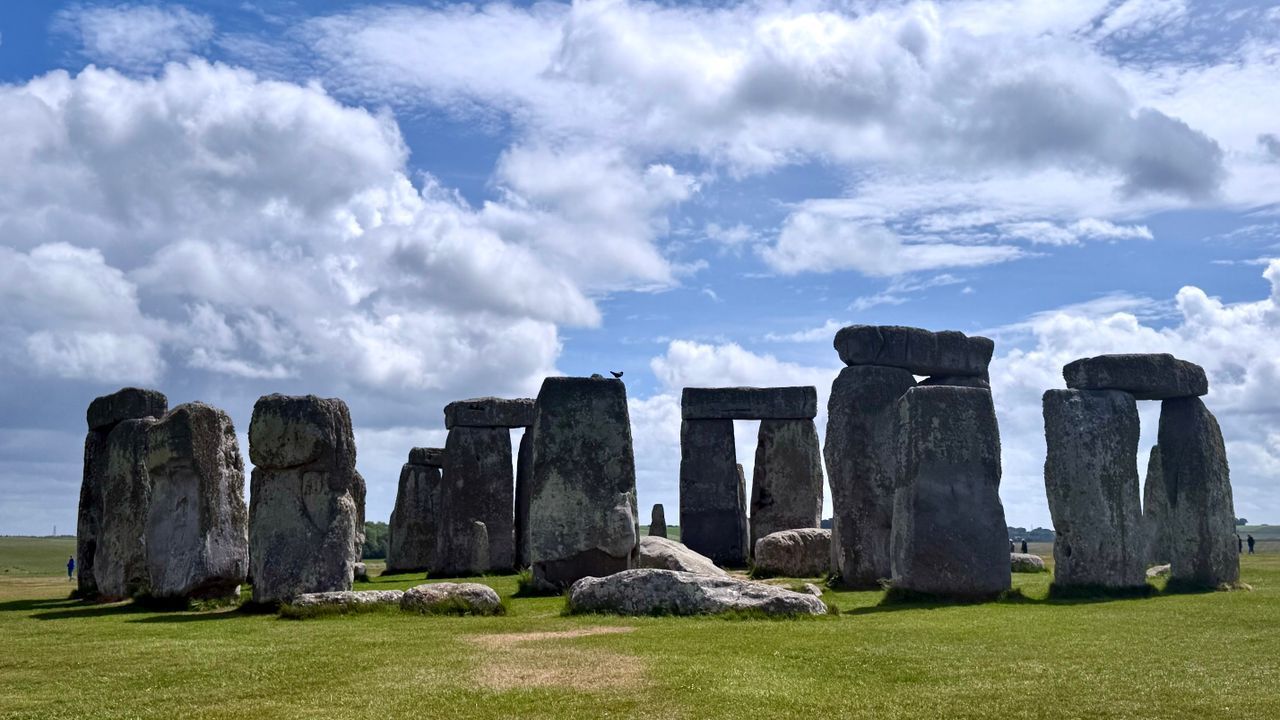
Standing at the fence, the first sight of Stonehenge can feel strangely quiet. The wind slides across the plain, skylarks call somewhere out of sight, and for a moment the noise of modern life drops away. Many guests tell us they feel as if the place is watching them back, as if those stones still remember the people who raised them.
Stonehenge is not just a circle of rocks in a field. It sits in the middle of a wide ceremonial landscape, shaped over thousands of years by real men, women and children. On our private Ancient Britain tours, we help visitors from the United States and Canada see Stonehenge as a living story, not just a quick photo stop from London. In this article, we will walk through the people behind the stones, the sacred landscape that surrounds them, the legends that still cling to the hills, and how a thoughtful visit can connect Stonehenge with other ancient sites across England and Wales.
The Stones and the People Who Raised Them
Archaeologists now see Stonehenge as the product of farming communities, craftspeople, and long-distance travelers, not a single mysterious tribe. These were people who knew how to work wood, stone, bone, and antler, and who understood the seasons in a way that decided whether their families would thrive. They built homes, tended animals, shared food, and then, on special days, gathered at places like Stonehenge.
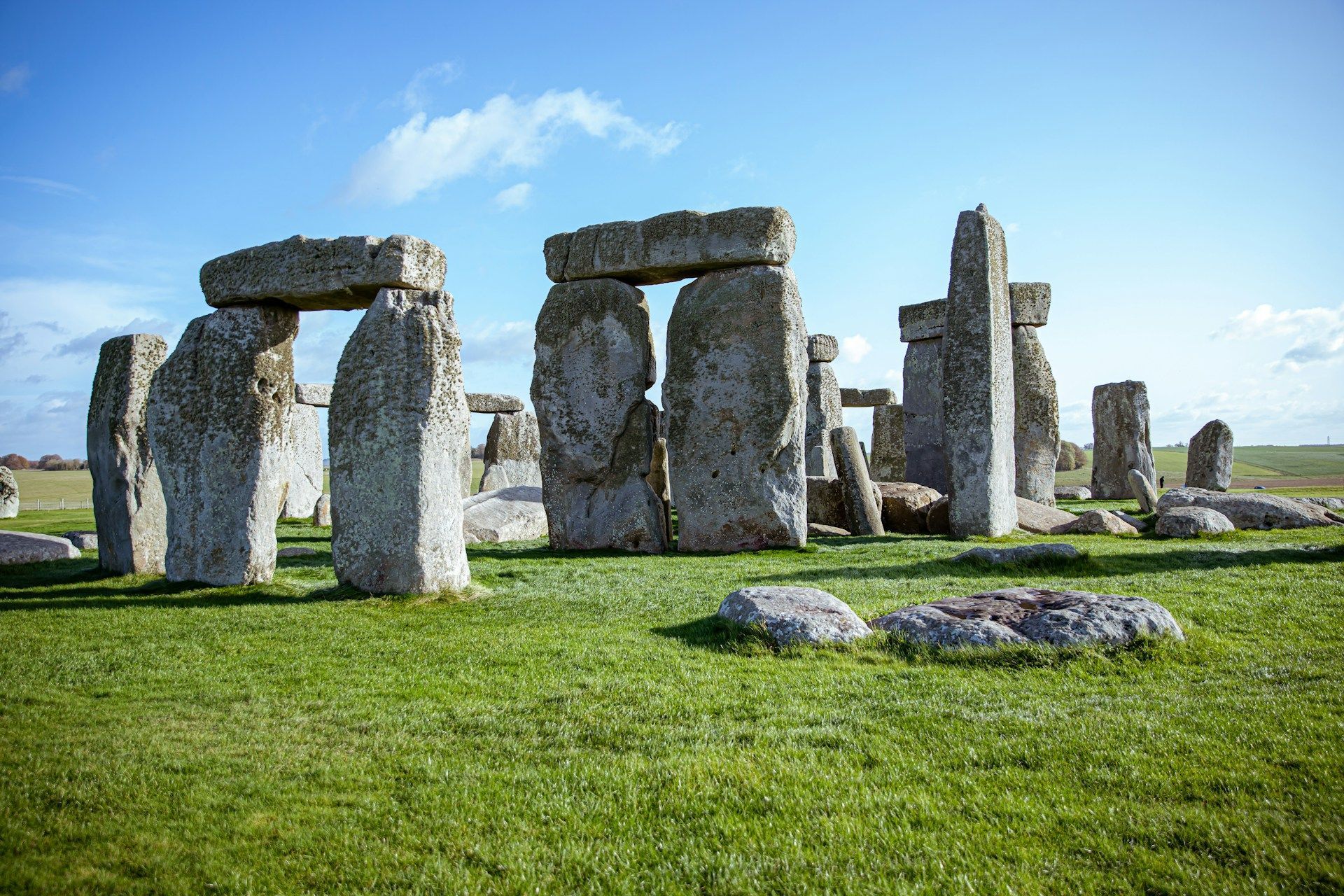
When we talk on site about how Stonehenge was built, we focus on the sheer human effort. The massive sarsen stones, likely brought from the Marlborough Downs, and the smaller bluestones, carried from far to the west, were shaped with simple tools, hauled on wooden sledges, and raised using earth ramps and ropes. That level of planning and teamwork hints at strong social ties and shared beliefs. It tells us people were willing to give time and strength to something that mattered to the whole community.
Key discoveries in the wider Stonehenge area have revealed:
- Burials with carefully chosen grave goods, including tools and ornaments
- Signs of long-distance trade, such as materials and styles from far corners of Ancient Britain
- Clues to diet and health taken from ancient bones and teeth
- Evidence of large feasts that may have taken place during seasonal gatherings
With a knowledgeable guide beside you, those fragments become stories. Instead of a distant “they,” we talk about what daily routines might have looked like, what it meant to walk in from a distant farm to join a ceremony, and how the rising or setting sun on particular days could turn Stonehenge into a giant calendar in stone. On our Ancient Britain tours, we stand by the stones and invite you to think about the hands that shaped each surface and the conversations that must have filled the air as the monument slowly rose.
A Sacred Landscape Beyond the Stone Circle
One of the biggest surprises for many visitors is that Stonehenge does not stand alone. It is the focal point of a much wider sacred landscape scattered across the Salisbury Plain. From the visitor path you can see other shapes in the distance: low banks, ditches, and mounds that tell the story of a ceremonial complex on a grand scale.
Nearby features our tours often explore include:
- The Avenue, a processional route that links Stonehenge to the River Avon
- The Cursus, a vast earthwork whose purpose is still debated
- Durrington Walls, a huge enclosure thought to be linked with feasting and settlement
- Barrow cemeteries, the burial mounds that crown nearby ridges
Taken together, these sites suggest a world where movement across the land held deep meaning. People walked along set routes, climbed particular slopes, and watched the sun line up with carefully chosen points on the horizon. The rolling chalk downs, the short grass underfoot, and the open sky all become part of the story.
Because our visits are private and experience-led, we can take time away from the busiest areas, pause at quiet viewpoints, and literally connect the dots between places. When you can see how the Avenue aims at the circle or how a ring of burial mounds looks back across the plain, Stonehenge stops being an isolated monument and becomes the heart of an entire ritual landscape.
Legends, Myths, and the Stories Locals Still Tell
Long before archaeologists dug their first careful trenches, people were telling stories about Stonehenge. Some tales say the wizard Merlin flew the stones across the sea from Ireland. Others talk about giants carrying the sarsens from far away, or of music that can be heard inside the circle if you stand in just the right place at dawn. For centuries, locals spoke of stones with healing powers, where warriors and kings might find a cure or protection.
Today, archaeology paints a different picture, rooted in evidence from tools, bones, and pollen. Instead of magic transportation, we see logistics and hard labor. Instead of instant healing, we see careful burials and long traditions of honoring the dead. But the folklore does not vanish just because we know more. It sits beside the science, offering a window into how people in later ages tried to explain something that felt older and bigger than themselves.
Stonehenge has also played a role in more recent history. Curious visitors in earlier centuries chipped away at the stones for souvenirs. Early excavators left records that modern researchers still use, even if their methods would not pass muster today. In recent decades, solstice gatherings have turned Stonehenge into a symbol for modern spiritual traditions as well as ancient ones.
On our tours, we weave those layers together. We share local stories and traditions that still surface in nearby villages, then set them next to what current research suggests. Guests from North America often tell us this mix of legend and evidence makes the site feel richer than either one alone.
From Stonehenge to Wider Ancient Britain Tours
Stonehenge is a powerful place to start, but it is only one chapter in the story of Ancient Britain. From London, it fits naturally into private day tours and longer itineraries through southern England and into Wales. When you see it in context, other sites begin to speak the same language of stone, earth, and sky.
Some favorite stops that pair well with Stonehenge include:
- Avebury, with its vast stone circles set right inside a living village
- Other prehistoric sites in Wiltshire, where long barrows lie along the ridges
- Bath, where Roman baths meet Georgian streets built around hot springs
- Iron Age hillforts in the Cotswolds, where ancient defenses overlook rolling hills
Farther west, the Jurassic Coast and parts of Wales show deep time in cliffs, coastal paths, and medieval castles perched above the sea. Walking those shorelines after visiting Stonehenge can make history feel less like a list of dates and more like a continuous story etched into the land. While we can assist with Scotland when private transportation is required, our core focus is on the ancient and historic sites of England and Wales, where we spend most of our days on the road with guests.
Meeting the Modern Guardians of Stonehenge
Today, a different group of “people of Stonehenge” cares for the site. Archaeologists research and interpret what they find, conservators protect the stones from wear, local landowners manage fields that still conceal buried features, and experienced driver-guides help visitors make sense of it all. We see ourselves as part of that circle of guardians, sharing what we have learned over years of guiding couples, families, and small groups.
Our guiding style grew from countless conversations with guests from the United States and Canada. We know the kinds of questions that tend to come up: How old is this really? Who owned the land? What did kids do here? We adapt the pace to each group, leave room for quiet moments, and build in time for lesser-known viewpoints and nearby villages you might miss on a large group tour. Traveling with a private driver-guide from London keeps the logistics simple, so you can pay attention to the experience instead of the timetable.
When you see the Heritage & Stone Tours logo on a vehicle or on your travel documents, we want it to feel like a familiar sign that your day has been carefully planned. Our focus is always the same: bring stones, landscapes, and lives together into a single connected story that you will remember long after you have left the plain behind.
Step Into Britain’s Ancient Past With a Tailored Small-Group Tour
Personal , family, children, senior.
All welcome
Pick up included .
Stonehenge Heritage Tours
❤️❤️❤️❤️######
Stonehenge Heritage Tours
Old Sarum
Woodhenge
Bluehenge
Cotswolds
Avebury
Bath
Salisbury
London
Oxford
Broadway
Stow
Glastonbury
Wiltshire
Salisbury plain
Crop circles
❤️❤️
Discover sacred landscapes, stone circles, and forgotten stories brought to life on our carefully curated
ancient Britain tours. At Heritage & Stone Tours, we keep group sizes small so you can ask questions, linger at key sites, and truly connect with the history beneath your feet. If you are ready to plan your journey into Britain’s oldest legends,
contact us and we will help you choose the experience that fits your interests and timeframe.
In This Article
Plan Your Day Trip
Tell us what interests you and we'll design the perfect itinerary for your group.
Share
More from the Journal