Discovering the Cotswold Wool Heritage on Private Tours
Walking Into a Landscape Woven From Wool
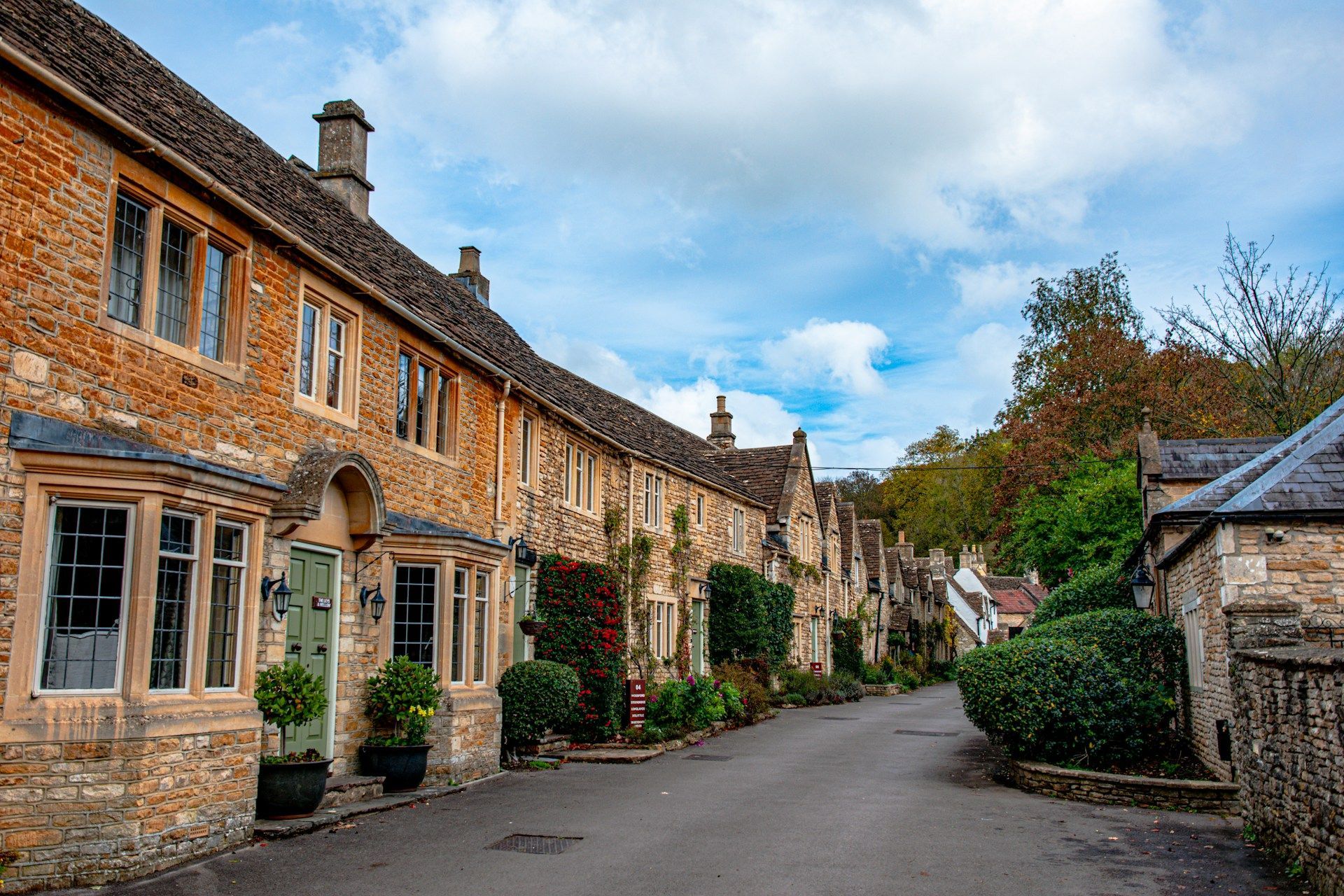
Stepping into the Cotswolds for the first time feels instantly familiar if you are visiting from the United States or Canada. Golden stone villages line narrow lanes, church spires rise above the rooftops, and sheep graze on rolling green hills that look like something from a classic storybook. It is beautiful at a glance, but when you know what you are looking at, it becomes far more meaningful.
At Heritage & Stone Tours, we design Cotswolds private tours that show how this postcard scenery was literally shaped by wool. For centuries, Cotswold sheep and their long, lustrous fleece paid for churches, manor houses, and thriving market towns. As we travel from village to village together, we point out the traces of that wool story in stone carvings, farm fields, and even in the layout of the streets. By the end of a day trip from London, Bath, or Oxford, you will start to read the countryside the way locals do, with wool at the heart of everything.
How Cotswold Wool Built England's “Golden” Countryside
The Cotswolds is famous for its rolling hills, honey-colored villages, and rich agricultural history. At the center of that history is Cotswold wool, once known as one of England's finest natural products. Cotswold sheep, produced a long, shining fleece that was highly valued for its quality and durability, and merchants carried it across Europe as a premium export.
That steady flow of wool wealth changed the look of the region. Instead of simple rural chapels, many villages built what are often called wool churches, large, elaborate stone buildings that feel almost oversized for small communities. The same trade helped landowners and merchants upgrade modest farmhouses into substantial manor houses, and gave towns the means to create busy markets.
On our Cotswolds private tours, we help you spot the clues that link these buildings to the wool trade:
- Tall, elaborate church towers funded by prosperous wool merchants
- Carved sheep, bales of wool, or merchant symbols around doorways
- Large stone tithe barns on the edge of villages, once used to store wool and grain
- Wide market squares where fleeces were traded and weighed
For North American travelers, it also helps to place the Cotswolds on the map. The area sits roughly between London, Oxford, and Bath, making it an ideal countryside day trip from any of these cities. Seeing the scenery is wonderful, but having a guide explain how wool shaped each town often turns a pretty view into a much richer experience.
Meeting the Cotswold Sheep and the People Who Raise Them
Cotswold sheep are among Britain's oldest native breeds, sometimes nicknamed “the Cotswold lion” because of their long, curly wool that can fall in ringlets over their faces. They tend to be calm, gentle animals, and spotting their distinctive fleece in a field quickly becomes one of those travel moments you remember.
Sheep farming in the Cotswolds today balances tradition with modern environmental priorities. Farmers pay attention to soil health, pasture rotation, and low-impact grazing so that the hillsides stay green and productive. While the global wool market has changed, there is growing interest in local, sustainable wool that keeps heritage breeds like the Cotswold sheep on the land.
On heritage-focused Cotswolds private tours, we often include time with the people who care for these animals. Depending on the day and the farm, that might mean:
- Visiting a working sheep farm and seeing the flock up close
- Observing lambing season, when the timing and welfare of the animals allow
- Talking directly with farmers and shepherds about their daily work
- Learning how wool quality is judged and why different fleeces suit different uses
These visits do more than fill a camera roll. They support rural communities, help protect rare breeds, and give travelers a personal connection to the countryside. Many visitors tell us that a conversation in a barn or a quiet moment in a field explains the Cotswolds far better than any guidebook.
From Fleece to Finished Piece, Crafting with Cotswold Wool
The story of Cotswold wool does not end at the farm gate. Turning raw fleece into something you can wear or use at home involves a remarkably hands-on series of steps. Many of these will feel familiar if you know North American wool traditions, but it is still fascinating to see them play out in an English setting.
Typically, the process runs like this:
- Shearing, carefully clipping the fleece from each sheep
- Washing, removing natural oils and dirt while preserving the fiber's strength
- Carding, brushing the fibers so they align in the same direction
- Spinning, twisting wool into yarn on a wheel or modern machine
- Weaving or knitting, transforming yarn into cloth, blankets, or garments
Local mills, weaving workshops, and independent studios around the Cotswolds take this wool and turn it into yarn, blankets, rugs, and felted art. Cotswold wool has a distinctive feel; it is not the softest fiber for next-to-skin clothing, but it has impressive strength and body. Makers often choose it when they want structure and longevity, especially for home textiles that need to stand up to regular use.
On a private tour, we can often include:
- Short demonstrations of spinning or weaving
- Informal chats with craftspeople about their favorite fibers
- Beginner-friendly craft sessions where you can try carding or simple felting
Seeing a fleece become something finished helps you appreciate why this fiber was once so valued that it changed the entire region.
Where to Find Authentic Cotswold Wool Experiences
For many travelers, the challenge is knowing where to find the most genuine wool experiences in a relatively large rural area. During our Cotswolds private tours, we help guests focus on places where the wool story is woven into daily life, rather than just on gift shops. That can include:
- Village wool and craft festivals in traditional market towns
- Farm shops that sell products from their own flocks
- Historic town centers where wool markets once operated
- Specialist wool merchants who source fleeces from local farms
If you want to be sure you are buying truly local Cotswold wool rather than a generic souvenir, a few simple steps help:
- Look for clear labeling that mentions Cotswold wool or local flocks
- Ask the maker where the wool was sourced and which breed it comes from
- Notice whether items feel sturdy and slightly textured, typical of Cotswold fiber
- Favor small-scale producers who can describe their process in detail
As tour planners, we build days that mix scenic drives, heritage sites, and unhurried time for thoughtful shopping. Private transportation from London, Bath, and other English cities keeps logistics simple, especially for couples, families, and small groups who prefer to travel comfortably together rather than puzzle out trains and buses.
Bringing the Cotswold Wool Story Home with You
Every time you choose a piece made from Cotswold wool, you are taking home more than a souvenir. You are supporting sustainable farming, helping preserve one of Britain's oldest sheep breeds, and keeping a long local tradition alive. Back in North America, that throw on your couch or scarf around your neck becomes a conversation starter as well as a reminder of your time among the hills.
Many travelers like to bring home:
- Heirloom-quality throws or blankets for the living room or guest room
- Durable rugs that can handle busy entryways or family spaces
- Naturally dyed yarn for knitting, crochet, or weaving projects
- Smaller pieces, such as felted coasters, mittens, or hats, that pack well in a suitcase
The story of Cotswold wool is more than the story of a fiber. It is the story of a region, its people, and a heritage that still feels very present in village streets and open fields. When we design Cotswolds private tours, our aim is to help you stand in those quiet stone churches built on wool wealth, watch sheep graze on the hillsides, talk with the people who live and work here today, and then carry a piece of that living history home across the Atlantic.
Experience the Cotswolds Like a True Insider
Let Heritage & Stone Tours design a day in the countryside that feels effortlessly tailored to you. Explore charming villages, hidden lanes, and sweeping views at your own pace with our curated
Cotswolds private tours. Share what you love most about travel and we will shape the route, timings, and stops around your interests. If you are ready to start planning, simply
contact us and we will take care of the details.
In This Article
Plan Your Day Trip
Tell us what interests you and we'll design the perfect itinerary for your group.
Share
More from the Journal