Sarsen Stones and the Deep Time Story of Stonehenge
Reading the Rocks at Stonehenge
Understanding Stonehenge gets much richer when we start with the stones themselves. Those towering blocks in the outer circle and trilithons are not just building material; they are the end result of deep geological processes that began tens of millions of years before anyone set a posthole in the chalk. When we pay attention to the type of rock called sarsen, the monument stops being only a prehistoric calendar or temple and becomes part of a much longer story written in stone.
Sarsen is a very hard kind of silcrete, a sandstone naturally cemented by silica, best known for forming some of the largest stones at Stonehenge. It also appears at Avebury, across the Marlborough Downs, and in scattered boulders all over southern England. On our ancient Britain tours at Heritage & Stone Tours, we bring geology, archaeology, and storytelling together so visitors can read those rocks as part of a single, connected history.
What Exactly Is Sarsen Stone?
Sarsen is not a special quarry brand or a variety chosen only for looks. It is a specific kind of rock that forms naturally under certain conditions. Geologists classify it as silcrete, which means a sandstone that has been cemented by silica so thoroughly that it becomes extremely tough and resistant.
At a basic level, sarsen is:
- Mostly quartz sand grains
- Cemented by secondary silica that filled the gaps between grains
- Typically over 95 percent silica, or SiO₂
- Very resistant to weathering and erosion
This gives it some very distinctive physical traits that you can see and feel during a site visit:
- Color: usually gray to brown
- Texture: a coarse-grained sandstone, often with visible, glinting quartz grains
- Toughness: it is so hard that it can blunt modern steel tools
- Size: it often occurs as multi-ton boulders that are perfect for megalithic building
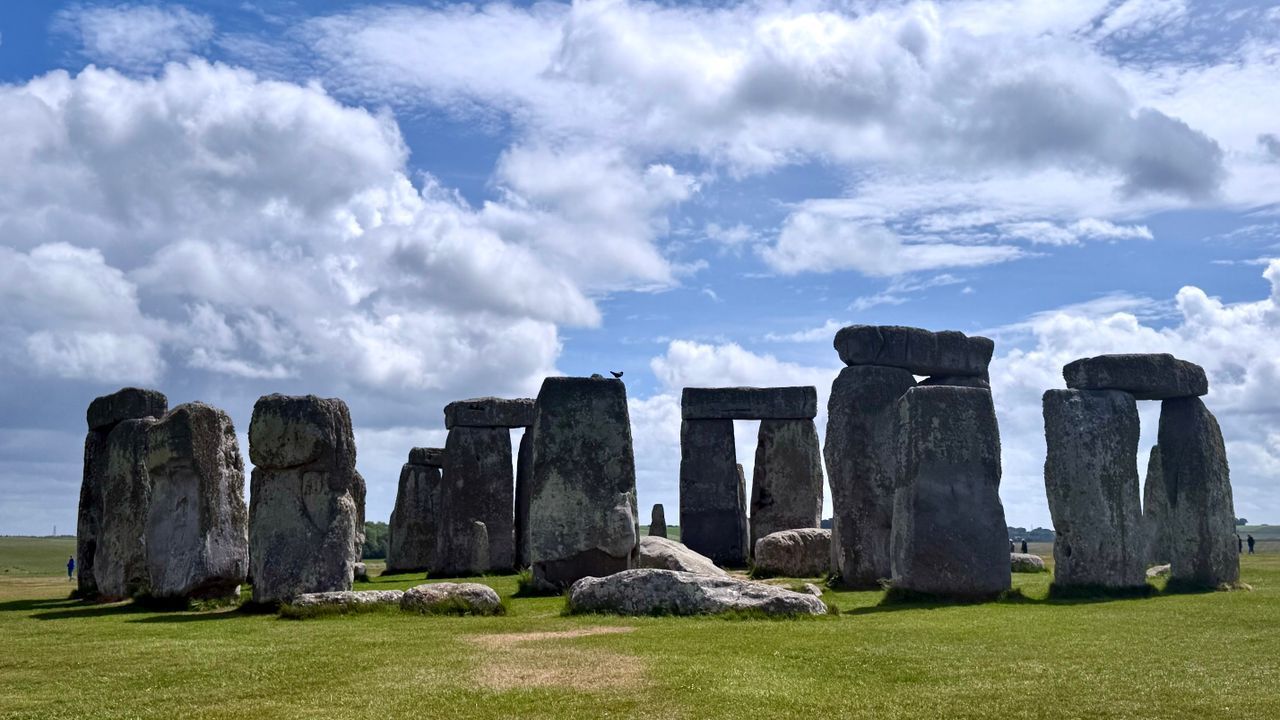
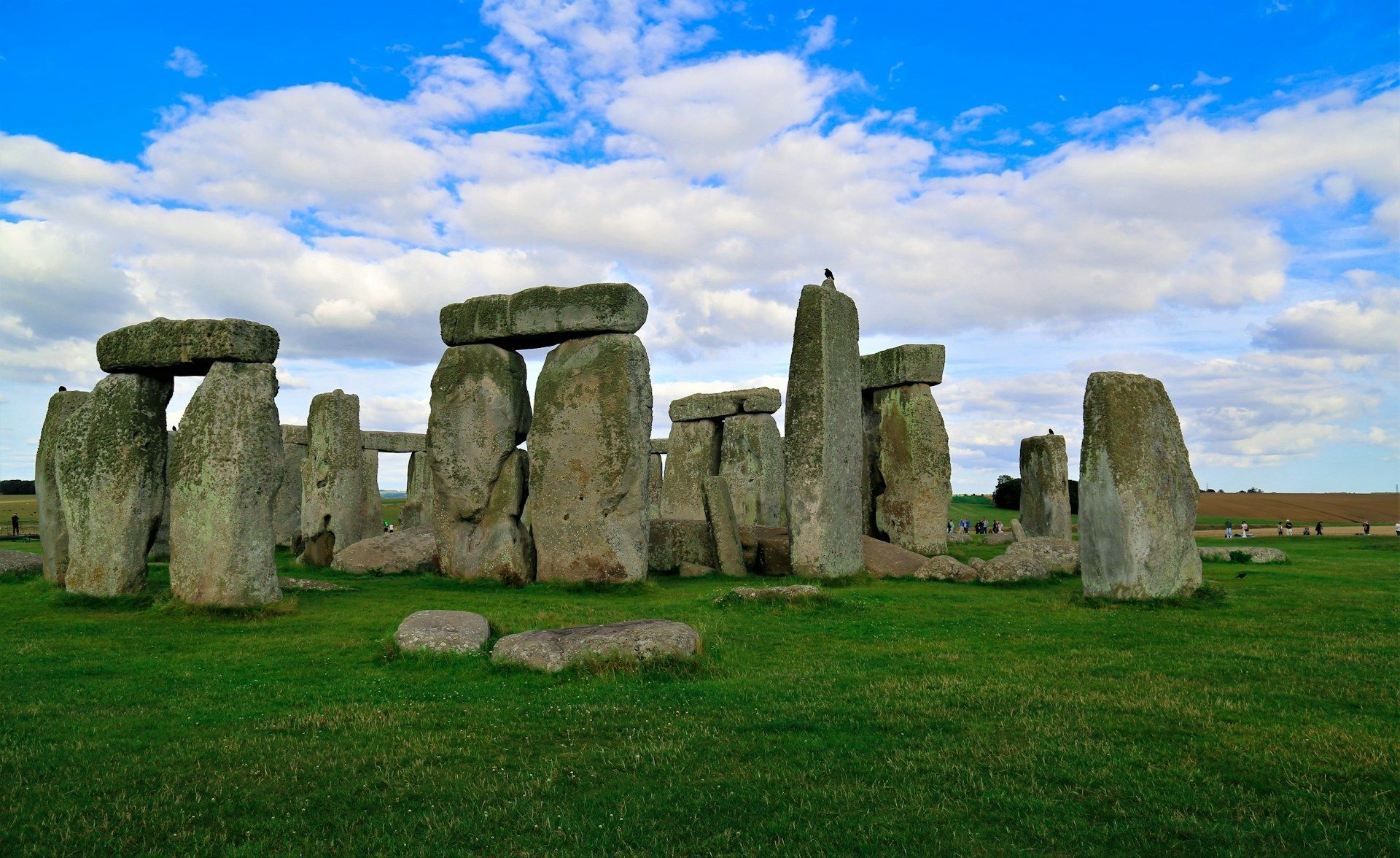
When we walk around Stonehenge together, we can point out how these properties explain the monument’s layout. The great outer circle and the iconic trilithons are built from sarsen, while the smaller, more varied inner stones are different rock types. That contrast is not accidental, it reflects choices made by prehistoric builders who understood their materials.
How Sarsen Formed in Deep Geological Time
To really appreciate sarsen, we have to step back into deep time. Geologists believe sarsens formed during the Paleogene Period, sometime between about 23 and 66 million years ago, when southern England looked nothing like the rolling chalk downs we know today. Warmer climates, changing sea levels, and shifting river systems laid down thick deposits of sand and other sediments.
The likely formation process looked something like this:
- Sand deposition: Ancient rivers, coastal environments, or weathered sediments spread loose sands across wide areas of southern England.
- Silica-rich groundwater: Groundwater, already carrying dissolved silica, slowly moved through these sandy layers.
- Cementation: As conditions changed, the silica came out of solution and precipitated between the sand grains, turning loose sand into a rock known as silcrete.
- Erosion: Over an immense span of time, softer surrounding rocks were stripped away by weather and flowing water, leaving behind isolated, resistant sarsen blocks and boulders scattered across hilltops and valleys.
By the time Neolithic communities arrived, those hard boulders were already ancient features in the landscape. From our modern perspective, we can see that people were not just building with whatever lay to hand. They were selecting the most durable material available, stones that had already survived millions of years of change.
Where Sarsen Is Found Across Southern England
If you travel across southern England, you are moving through the broken remains of that old silcrete layer. Sarsen is not everywhere, but where it survives it often shapes both the scenery and the archaeology.
Key sarsen landscapes include:
- Marlborough Downs
- Berkshire Downs
- North Downs
- South Downs
In these areas, farmers still find sarsen boulders in their fields, and walkers spot them along tracks and woodland edges. One location in particular matters for anyone interested in Stonehenge. Many of the sarsens used at the monument are thought to have come from West Woods, roughly 25 kilometers north of the stones. Geochemical studies suggest a close match between blocks at Stonehenge and sarsens from that wooded landscape.
For visitors on ancient Britain tours, this has two consequences:
- You can still see sarsen lying naturally in the countryside, not just reshaped into standing stones.
- You can start to picture the effort involved in moving multi-ton blocks from upland woods to the chalk plain where Stonehenge stands.
When we guide guests through Wiltshire and neighboring counties, we point out these scattered boulders. They connect the celebrated monuments to a wider, quieter story written into fields, lanes, and ridgelines.
Why Prehistoric Builders Chose Sarsen
Sarsen was not the only stone available, but it had clear advantages. From a practical standpoint, it was ideal for the kind of architecture we see at Stonehenge, Avebury, and other Neolithic sites.
Some of the practical reasons likely included:
- Durability: Sarsen’s silica cement makes it extraordinarily resistant to weathering.
- Workability: While very hard, it can be shaped with enough effort into uprights, lintels, and flat faces.
- Size: Natural boulders could be several tonnes, large enough to create imposing structures.
- Stability: Heavy, tough stones stay upright for millennia once properly set.
There may also have been symbolic reasons. A rock that had already endured countless climate shifts and erosion cycles might have seemed like the right material for sacred spaces, burial avenues, or gathering places meant to last. When people dragged sarsens into circles and rows, they were gathering pieces of an ancient landscape and giving them new alignments and meanings.
Sarsen did not stop being important when the Neolithic ended. Across southern England, it appears in:
- Later prehistoric monuments and field boundaries
- Medieval and post-medieval churches and farm buildings
- Boundary markers, gateposts, and bridges
So when we talk about sarsen, we are really talking about a stone that runs through many layers of regional history.
Seeing Sarsen Up Close on Ancient Britain Tours
Standing right next to a sarsen block changes how you think about Stonehenge and other sites. Suddenly the stones are not distant icons, they are textured, detailed surfaces with clues about their past. With a little guidance, visitors can learn to read those clues.
Things to look for include:
- Texture: Run your eye, and, where allowed, your fingers, over the coarse quartz grains that give the rock its gritty feel.
- Color variations: Note patches of brown, gray, and sometimes a lighter crust where the surface has weathered differently.
- Tool marks: In some places, you can see traces of prehistoric dressing, where builders chipped corners or shaped mortise and tenon joints.
- Weathering: Rounded edges, surface pits, and lichen growth all speak to how long these stones have faced the elements.
On our tours of Stonehenge, Avebury, Bath, and the Jurassic Coast, we like to link that close-up inspection with the bigger picture. The same geological forces that produced sarsen also shaped the chalk downs, the limestone ridges, and the coastal cliffs. When we connect those dots, an ancient Britain tour becomes a layered experience where every rock type has a story.
From Silica Sand to Sacred Stone Circles
If we zoom out, the story of sarsen follows a clear arc. Loose sands were laid down in a very different version of southern England, were hardened by silica-rich groundwater into an extremely tough silcrete, then were exposed as scattered boulders when softer rocks eroded away. Much later, prehistoric builders spotted those resistant blocks, moved them across the landscape, and raised them into the great stone circles and alignments we see today.
Geology does not replace the human story at places like Stonehenge; it deepens it. When we understand what sarsen is and how it formed, a day among the stones becomes a meeting with deep time, where natural processes and human choices come together in one extraordinary setting. For visitors from the US, Canada, and beyond, that blend of science, story, and scenery is what makes exploring Stonehenge, Avebury, and the wider region such a rewarding ancient Britain tour experience with us at Heritage & Stone Tours.
Step Into Britain’s Ancient Past With a Tailored Tour
Experience the stone circles, sacred landscapes, and legends that bring history to life with our curated
ancient Britain tours. At Heritage & Stone Tours, we design small-group and private experiences that match your interests, pace, and schedule. If you have questions or need help choosing the right itinerary, reach out to
contact us so we can help you plan your journey into Britain’s oldest stories.
In This Article
Plan Your Day Trip
Tell us what interests you and we'll design the perfect itinerary for your group.
Share
More from the Journal