The Great British Journey: A Complete Guide to Hidden Heritage

Discover the Great British Journey
Traveling to Britain from North America often means sticking to the usual London, Edinburgh loop. It is classic for a reason, but it can leave you feeling like you skimmed the surface instead of truly getting to know the places you visited. There is another way to travel, one that links England and Wales into a slower, story-filled route that feels personal rather than packaged.
At Heritage & Stone Tours, we see Britain as a living storybook of ancient landscapes, stone circles, castles, fishing villages, and working market towns. Ancient Britain tours do not have to be dry history lessons. They can be the spine of a rich trip that connects Stonehenge, Avebury, the Cotswolds, coastal routes, and Celtic heartlands into one coherent experience that still leaves room for pub lunches, quiet churches, and surprise detours.
England Beyond the Icons
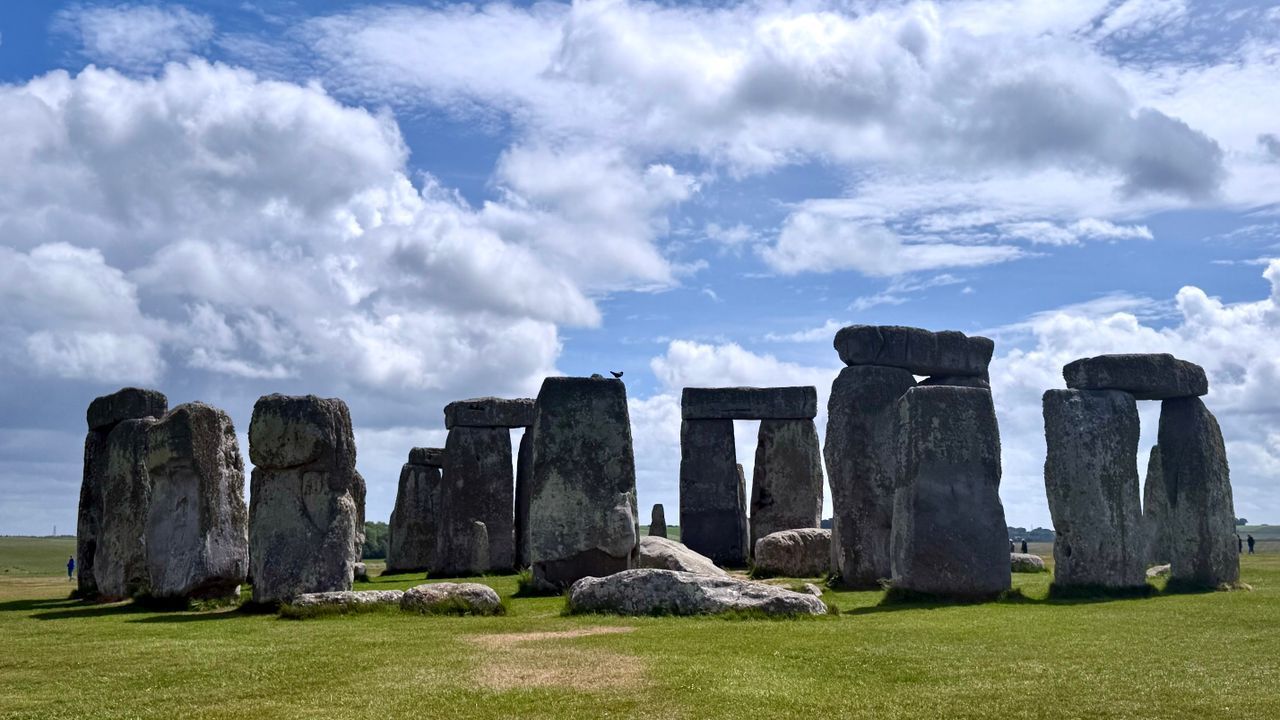
Ancient Wessex is the starting point for many ancient Britain tours, and with good reason. Stonehenge and Avebury sit in a wider sacred area of burial mounds, ancient processional routes, and lesser-known stone circles scattered across the Wiltshire downs. When you step away from the visitor centers into the surrounding fields, the scale of the prehistoric story really starts to sink in.
With a private guide, these stones become more than photo backdrops. You begin to hear how the landscape, archaeology, and folklore all connect across thousands of years.
- Solstice sunrises and sunsets line up with gaps in the circle.
- Recent archaeological digs have reshaped theories about who built what, and when.
- Local legends still cling to particular mounds, springs, and lonely trees.
Just a short drive away, Salisbury’s cathedral rises above quiet medieval streets, its needle-like spire visible for miles. In nearby villages, thatched cottages cluster around greens, and local churchyards hold centuries of untold stories. Time moves gently here, which is part of the appeal for visitors used to long American or Canadian commutes and busy schedules.
From there, many travelers like to drift into the Cotswolds and rural Wiltshire or Gloucestershire. This is the England of honey-colored stone cottages and dry-stone walls curving along sheep pastures. Small market towns still host weekly markets, and grand manor houses sit behind low stone gates and lines of lime trees.
North American guests often tell us their favorite simple moments include:
- Relaxed meals in traditional pubs with open fires and local ales.
- Classic afternoon tea in a village tearoom.
- Short circular walks on country footpaths, finished with a pint or an ice cream.
- Browsing antique shops and secondhand bookshops on medieval streets.
With a custom itinerary, you can link ancient sites with gentle countryside stays, instead of racing past scenery from a coach window. That shift in pace is usually what turns a good vacation into a trip that still feels vivid years later.
Another side of England awaits on the south coast, where the Jurassic Coast stretches along Dorset and East Devon. Here, cliffs drop to shingle coves, and winter storms expose new fossils from layers of rock laid down in the age of dinosaurs.
A day here might include:
- Fossil hunting on the beach, looking for ammonites and ancient shells.
- Cliff-top walks with sweeping sea views and seabirds riding the wind.
- Exploring small harbors where fishing boats and pleasure craft share the quay.
Private day trips from bases such as Bath or Salisbury make it easy to weave this into an England-focused leg of your ancient Britain tour, adding sea air to the mix of stones and spires.
Celtic Heartlands in Wales
Crossing into Wales, many visitors are surprised by just how much is packed into a relatively small area. Castle ruins perch on rocky outcrops, guarding river mouths and ridgelines. The Welsh language appears on road signs and in shop windows, carrying stories that go back far beyond English rule.
In Snowdonia or the Brecon Beacons, roads wind through mountain passes, slate-roofed villages, and old drovers’ routes that once took livestock to distant markets. Days in Wales might bring:
- Hilltop castles with sweeping views of bays and valleys.
- Coastal ruins at sunset, when the light turns the stone pink and orange.
- Evenings in local pubs where you can sample traditional dishes and hear scraps of folklore.
When you explore Wales after having visited Stonehenge or Avebury, patterns begin to appear. Across Wales and England, you find:
- Sacred hills and promontories used and reused for ritual and defense.
- Standing stones and holy wells woven into local Christian and pre-Christian belief.
- Seasonal festivals that still echo much older ways of marking the year.
Seen this way, England and Wales are less a set of separate regions and more a chain of storytelling landscapes that talk to one another across time.
Western Coasts of England and Wales
The western shores of England and Wales often feel like a fitting finale or striking gateway for ancient Britain tours. Along these coasts, cliffs face the full force of Atlantic weather, seabirds ride the wind, and old sea routes link communities that once depended on boats rather than roads for trade and contact.
On the western shores of England and Wales, you find:
- Sheer cliffs where seabirds nest and waves boom far below.
- Small harbors where fishermen mend nets on the quayside.
- Viewpoints that connect visually back toward distant headlands and along the Welsh shore.
It is easy to link these stretches of coastline with a broader route that includes the western coasts of Wales and the far reaches of southwest England. Inland, medieval castles and ruined tower houses dot the landscape, and compact cities and towns carry layers of shipbuilding, industrial growth, and more recent political stories.
Fans of film and TV will recognize certain cliffs and castles along these Atlantic-facing edges, yet:
- Short detours quickly lead to quiet beaches and viewpoints.
- Local guides can add context that goes far beyond screen locations.
- Even busy sites gain new depth when you hear about the real history behind the camera.
Including these western edges of England and Wales gives your trip a feeling of completion, from southern stone circles and gentle downs to sea cliffs and Atlantic weather. You begin to notice both contrasts and shared threads, especially in:
- Music and storytelling traditions that treat the landscape as a main character.
- Place names that hold echoes of older languages.
- A common habit of blending myth with history in everyday conversation.
Planning Your Own Great British Journey
For first-time visitors from the United States or Canada, it helps to think in regions rather than a long, straight line across a map. A typical flow might be: start in London, then head to Wessex for Stonehenge and Avebury, continue into the Cotswolds, then swing into Wales, with any onward travel beyond England and Wales arranged as private transportation if you decide to extend your route.
To keep the trip enjoyable rather than exhausting, we suggest:
- Planning two to four nights in each base instead of a new hotel every evening.
- Treating driving days as part of the experience, with scenic detours and unplanned photo stops.
- Mixing city stays, such as London and Bath, with small-town or countryside bases.
The choice between large coach tours and private, tailor-made ancient Britain tours can shape your entire experience. Coach tours suit some travelers, but they often mean fixed schedules, crowded stops, and limited time to follow your curiosity.
Private guiding works differently. For many North American guests, the biggest advantages are:
- Door-to-door transport in comfortable vehicles, which takes the stress out of rural roads and small villages.
- Flexible timing, whether that means starting later after a long flight or waiting for the best light at a favorite viewpoint.
- Guides who know both the local area and the expectations of visitors from abroad.
A good guide also knows the smaller places that rarely make it into standard brochures. That might mean a quiet churchyard with unique carvings, a village fete you stumble across, or a coastal viewpoint that only fills up on sunny weekend afternoons. These unscripted moments often become the memories that last.
Ancient Britain tours are at their best when they combine the must-see icons, such as Stonehenge, with hands-on experiences like walking an old processional route, tasting a regional specialty, or hearing a legend while standing in the exact spot where it is set. When you travel this way, your trip becomes less about ticking off a list and more about following a story, one chapter at a time, across England and Wales. Scotland can be included only when private transportation is arranged to link specific hubs or extend your route.
Expert-Led Ancient Britain Journeys
Step into the landscapes of legend with Heritage & Stone Tours and let our guides bring Britain’s earliest stories to life. Explore our curated
ancient Britain tours to experience iconic stone circles, sacred sites, and timeless countryside across England and Wales in one unforgettable day. If you have questions, would like to arrange private transportation that can include Scotland, or need help choosing the right itinerary, simply
contact us and we will help you plan your perfect journey into the past.
In This Article
Plan Your Day Trip
Tell us what interests you and we'll design the perfect itinerary for your group.
Share
More from the Journal