Silbury Hill and the Ancient Secrets of Wiltshire’s Sacred Landscape
Silbury Hill and the Ancient Secrets of Wiltshire’s Sacred Landscape
Silbury Hill is one of those places that quietly rewrites what you think you know about ancient Britain. At first glance it is simply a vast, grass-covered mound rising from a shallow valley in Wiltshire, just beside the road near Avebury and not far from Stonehenge. Spend a little longer with it, and you begin to sense how strange it really is, how much effort it required to build, and how little we still understand about why it was created.
In this article, we explore what Silbury Hill actually is, what archaeologists think it might have meant, and how it fits into the wider Avebury and Stonehenge area. As local guides at Heritage & Stone Tours, we spend a lot of time here with guests from the United States and Canada on ancient Britain tours across England and Wales, and we are always struck by how this quiet mound can feel just as powerful as a ring of standing stones.
What Exactly Is Silbury Hill?
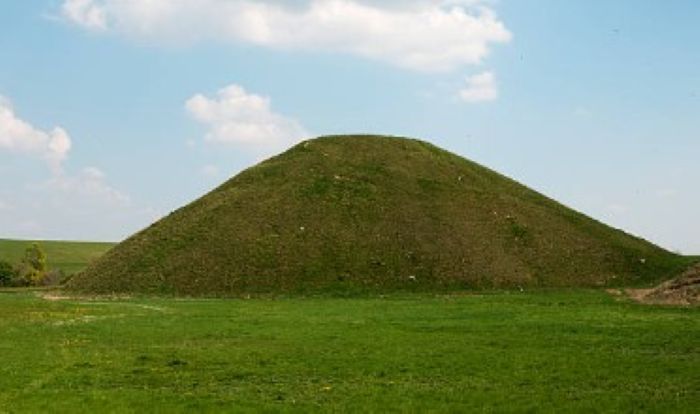
Silbury Hill is Europe’s largest prehistoric man-made mound, standing proudly in the heart of Wiltshire. It rises from the valley floor in a smooth cone of chalk and turf, dominating the fields and river below. From a distance it looks almost natural, but when you stand nearby, the sheer scale is unmistakable. It is higher than many church towers, with a broad, circular footprint that fills your entire field of vision when you approach its base.
Archaeologists have studied the hill for generations, and they have learned that it was not thrown up in a hurry. Instead, it seems to have been built in several phases over many years. The people of Neolithic Britain shaped local chalk, clay, and soil into a perfectly formed mound, layer by layer, probably using nothing more than wooden tools, antler picks, and woven baskets. When we bring guests here on ancient Britain tours, we often pause to think about how many hands, how many journeys with heavy loads of chalk, and how much shared belief must have been involved.
What makes Silbury Hill so intriguing is not just its size, but what is missing. There is no confirmed burial chamber, no great treasure, no clear sign of a single person being honored within it. Excavations and tunnels have found clues about construction, but not a simple explanation for its purpose. That gap between what we can measure and what we can explain is part of why Silbury Hill continues to fascinate archaeologists, historians, and curious visitors from around the world.
Theories, Rituals, and the Unknown Purpose
If Silbury Hill is not a simple burial mound, what could it be? Over the years, scholars have suggested many possibilities, each one adding a new layer of mystery rather than a final answer.
Some of the most discussed ideas include:
- A ritual monument, perhaps the setting for ceremonies linked to the changing seasons
- A symbolic “world mountain,” representing a sacred center where earth and sky met
- A marker for important astronomical events in the year
- A statement of power and status created by a community or regional leader
- A focus for gatherings, storytelling, and shared beliefs
When we stand with guests and look out from the viewing area, what becomes clear is that Silbury Hill does not exist in isolation. It is part of a wider sacred landscape around Avebury. Nearby you find the great stone circle of Avebury itself, the West Kennet Long Barrow along the ridge, and traces of processional avenues and other earthworks running across the fields. Many archaeologists think of Silbury Hill as just one piece of this larger ceremonial puzzle.
The truth is that we do not yet fully understand how it all fitted together. For many of our guests, that lack of certainty is actually the main attraction. It gives you room to stand quietly, look across the fields, and ask your own questions about the people who lived here: what they valued, what they feared, and what they hoped the future would bring.
Silbury Hill in the Avebury and Stonehenge Landscape
Silbury Hill sits in the heart of the Avebury area, which, together with Stonehenge, forms a single UNESCO World Heritage landscape. When you visit, you are never far from other extraordinary sites. Within a short drive or a gentle walk from Silbury Hill, you can find:
- Avebury stone circle, one of the largest in the world
- West Kennet Long Barrow, a Neolithic chambered tomb on a nearby ridge
- The remains of ancient avenues of standing stones
- Traces of prehistoric field systems and earthworks
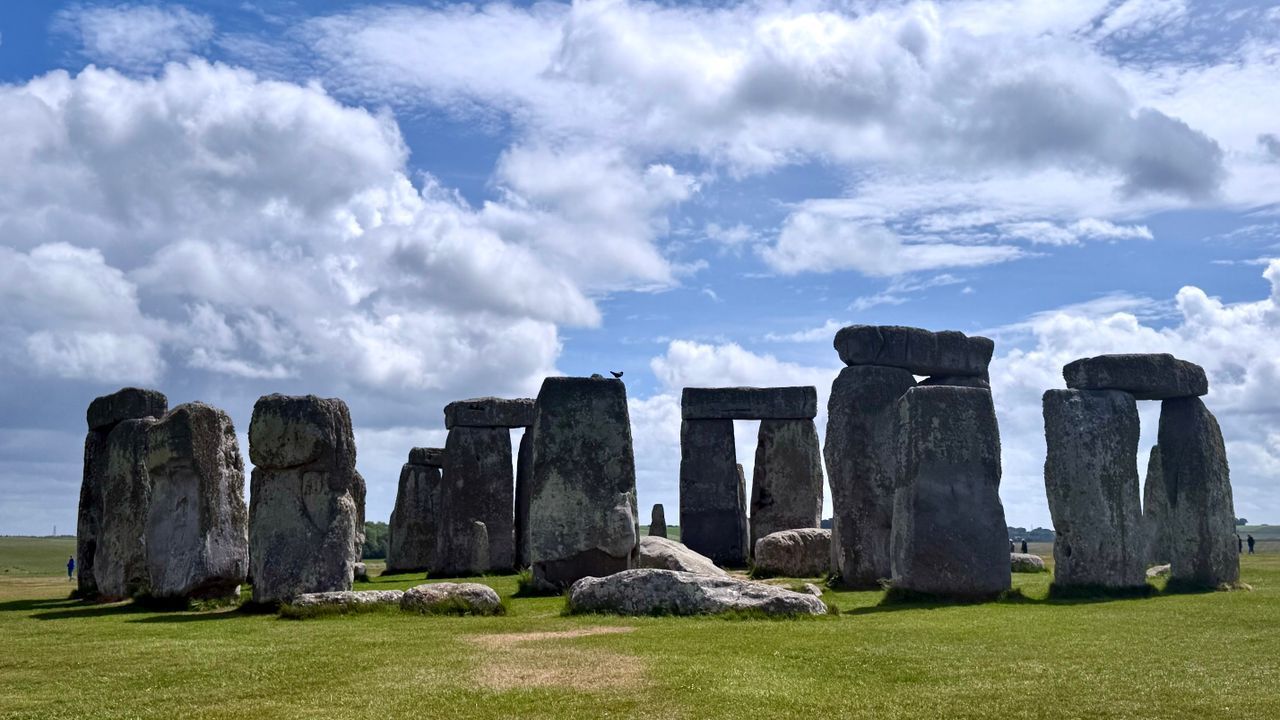
Compared with Stonehenge, the experience of Silbury Hill is more subtle and open-ended. Stonehenge is all sharp silhouettes, identifiable stones, and a famous circular plan that most visitors recognize from photos. Silbury Hill is softer, covered in grass, with no single standing stone to focus on. Yet, when we design ancient Britain tours that include both, many guests tell us that Silbury Hill and Avebury feel more spacious, more like stepping directly into the everyday world of Neolithic communities rather than looking at it from behind a barrier.
At Heritage & Stone Tours, we specialize in tailored itineraries for couples, families, and small groups who want to connect different sites into one meaningful day. Drawing on many years of guiding experience across England and Wales, we often weave Silbury Hill and Avebury together with Stonehenge, or sometimes combine them with places like Bath or the Cotswolds, depending on your starting point. With private transportation when needed, we can link these historic places into a relaxed and coherent story rather than a rushed checklist.
Planning a Visit: How to Experience Silbury Hill Today
Modern visitors cannot walk to the top of Silbury Hill, and that is a good thing for its long-term survival. Centuries of weather and earlier excavations have already affected its stability, so careful conservation is vital. Access today focuses on viewing Silbury Hill from safe points around its base and from nearby paths. From these angles, you can fully appreciate its shape, scale, and position in the valley, especially in relation to the nearby river and fields.
For guests from the United States and Canada, Silbury Hill usually works best as part of a wider day out rather than a single destination. It can fit neatly into:
- A day from London that also includes Stonehenge and Avebury
- A day exploring from Bath, pairing ancient sites with historic city streets
- A tour from Salisbury, with time at both Stonehenge and the wider chalk countryside
Public transportation in this rural part of England can be limited and slow, especially if you want to connect several sites in one day. That is where private transport and an experienced guide can make a real difference. Instead of wondering which bus to catch or which car park to use, you can focus completely on the stories, the scenery, and the quiet moments that make ancient Britain tours memorable.
When we accompany visitors to Silbury Hill, we like to combine archaeological evidence, local folklore, and the small details that are easy to miss: the way the light falls on the slope, the pattern of nearby springs and streams, and how the outline of the hill changes as you move around it. Those touches help to turn what can seem like a simple stop by the roadside into a highlight of your time in southern England.
Your Journey Into Ancient Britain Starts at Silbury Hill
Silbury Hill is far more than a grassy mound by a country road. It is a gateway into a world where communities worked together on a scale that still surprises us, where ritual and everyday life were closely intertwined, and where the land itself was shaped to express beliefs we are only beginning to understand. When experienced alongside Avebury, West Kennet Long Barrow, and Stonehenge, it adds depth and texture to any visit focused on the story of ancient Britain.
For visitors from the US and Canada, especially couples, families, and small groups, a carefully planned day here can feel both personal and expansive. With our deep local experience across England and Wales, and private transportation when needed for longer routes, we design ancient Britain tours that match your pace and interests. Standing near Silbury Hill, watching the play of light across its slopes, many guests find that this quiet, mysterious monument becomes one of the most thought-provoking memories of their time in the UK.
Step Into Britain’s Ancient Past With a Guided Journey
Join our expert-led
ancient Britain tours to experience Stonehenge and its prehistoric landscape with real historical context and insightful storytelling. At Heritage & Stone Tours, we keep group sizes small so you can ask questions, set a relaxed pace, and truly engage with each site. If you are ready to plan your visit or have specific dates in mind, simply
contact us and we will help you shape a tour that fits your interests.
In This Article
Plan Your Day Trip
Tell us what interests you and we'll design the perfect itinerary for your group.
Share
More from the Journal