Meet the Bluestones: What DNA Is Revealing at Stonehenge
New Clues About the Stonehenge “Family”
Stonehenge has always raised more questions than answers. We can stand on Salisbury Plain, look at the stones, and say roughly when each phase was built, yet we still know very little about the people who first raised them or what they believed. For anyone planning Ancient Britain tours around Stonehenge from the United States or Canada, the mystery is part of the draw.
Drawing on many years of guiding guests through England and Wales, we keep a close eye on new research so that your time on the ground reflects the very latest thinking.
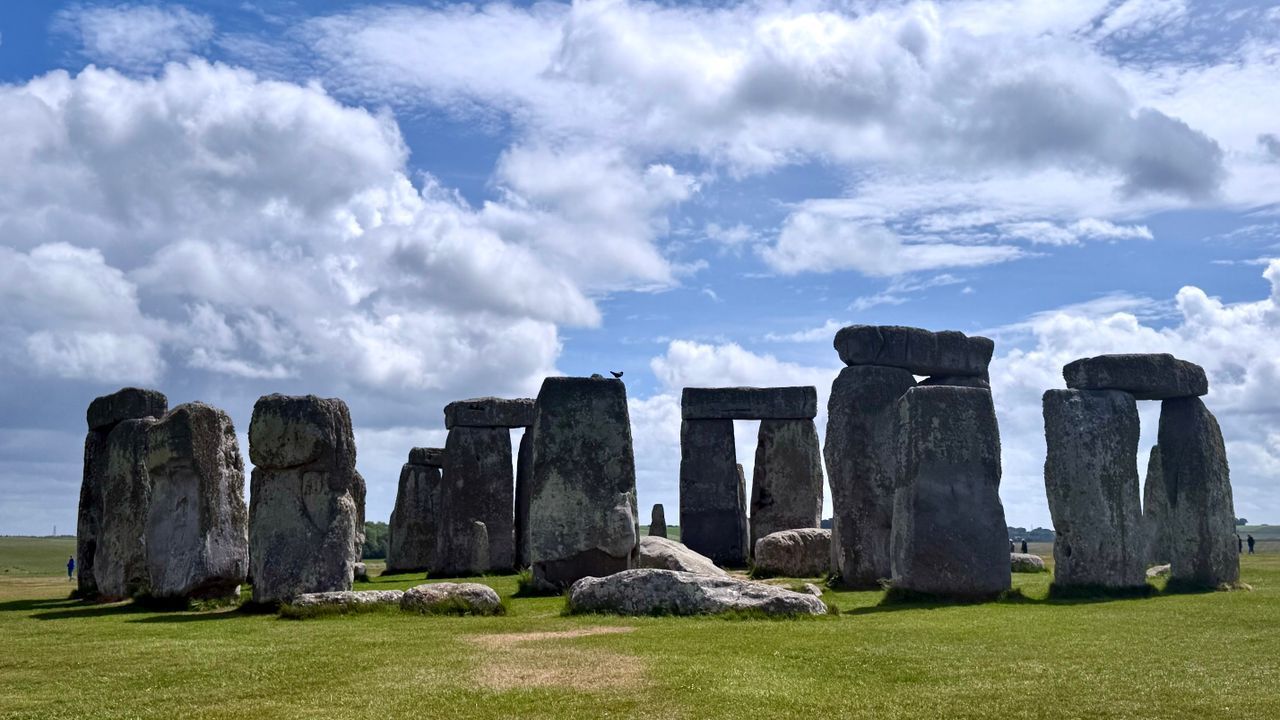
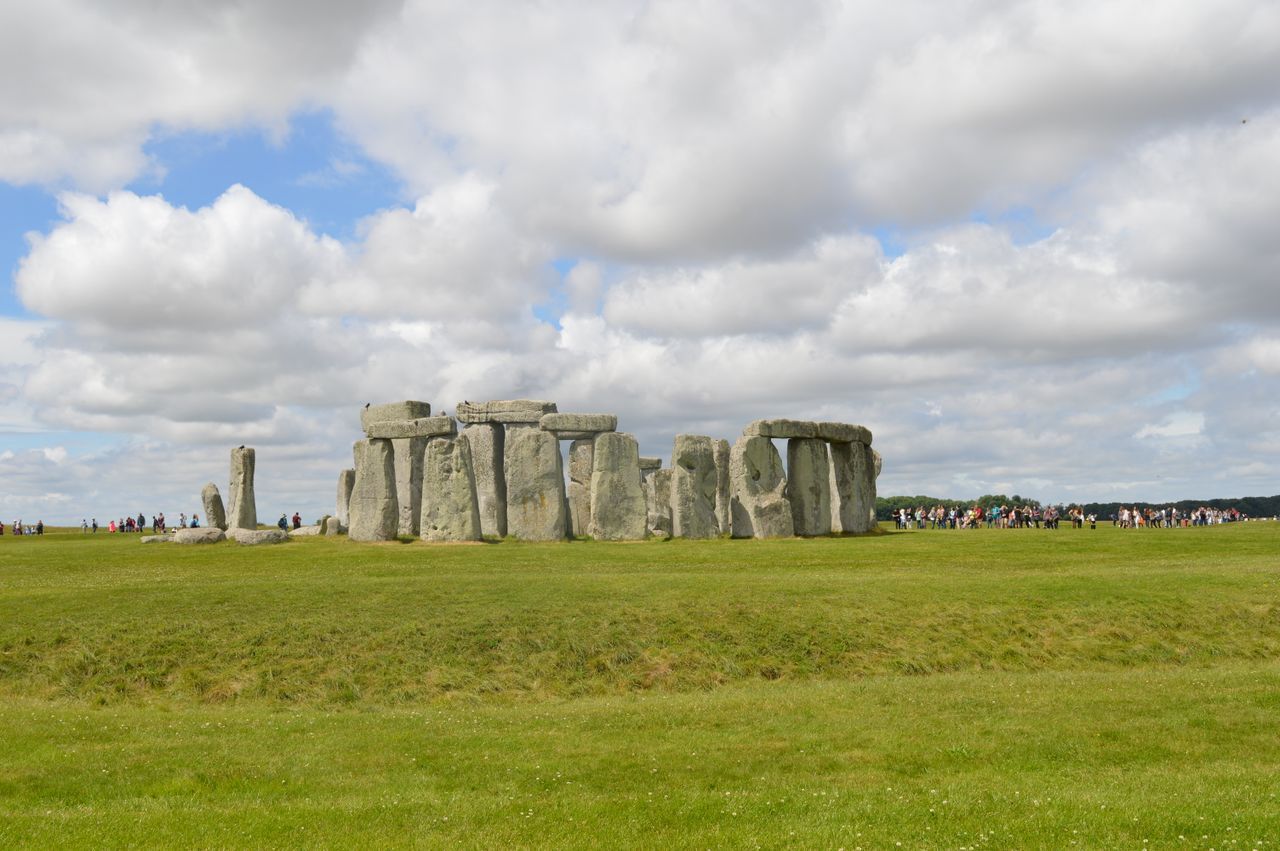
The story is changing quickly. Archaeologists now think the earliest visible stone circle at Stonehenge was made of bluestones, dragged from the Preseli Hills in west Wales to Salisbury Plain around 3000 BCE. These smaller, dark stones are very different from the later, larger sarsen stones that came from the Marlborough Downs, closer to the site. The real twist is that modern DNA research, some of it based on data first collected by home testing services, is beginning to connect human remains around Stonehenge with people from across southern Britain and western Wales. In this article, we want to walk you through what that means and how it can shape the way we think about visiting Stonehenge and its wider landscape on Ancient Britain tours today.
From Preseli Hills to Salisbury Plain
The story starts far from Salisbury Plain, in the Preseli Hills of west Wales. This area is a quiet, green, upland landscape, dotted with rocky outcrops and ancient sites. Many archaeologists agree that some of these outcrops were the source of the first bluestones at Stonehenge, stones that were later re-arranged into the inner ring visitors see today.
To move several-ton stones from there to Salisbury Plain with Stone Age tools would have taken staggering effort. People may have:
- Levered stones out of the hillsides with wooden poles
- Loaded them onto wooden sleds or rollers
- Followed valleys and river routes, possibly using simple rafts or boats
- Coordinated work between many communities over long distances
For a long time, the standard view was that Stonehenge was mainly a local project. In that older picture, communities living around Salisbury Plain organized the building work, drew in nearby labor, and used the monument for regional ceremonies. The quarrying of bluestones in Wales was seen as a remarkable, one-off episode, then the story shifted back to Wiltshire.
New research is nudging us toward a wider view. Growing evidence suggests that the people involved in the first phases of Stonehenge may have had strong links stretching across southern Britain and into Wales. In other words, the “Stonehenge family” might have been spread across a surprisingly large area.
How Ancient DNA Is Rewriting Stonehenge’s Story
The key to this new story is ancient DNA. When archaeologists find human remains in burial mounds and graves around Stonehenge and across Britain, specialists can sometimes extract tiny fragments of genetic material from teeth or bones. Even after thousands of years, enough DNA can survive for scientists to compare it with other ancient samples.
Around the same time, huge DNA databases have been built up from modern customers of home-testing services like Ancestry and 23andMe. By studying patterns in modern and ancient DNA together, researchers get a clearer sense of which ancient populations moved into Britain and how different groups were related to each other.
For Stonehenge, this has opened up new ideas:
- Some people buried near the stones seem genetically closer to communities in western Britain than to others in eastern areas
- This suggests connections between the builders on Salisbury Plain and people living not so far from the bluestone quarries in Wales
- It strengthens the idea that the earliest Stonehenge phases were part of a wider west-focused world, not just a local Wiltshire story
There is another twist. Around 2500 BCE, Stonehenge was rebuilt into the layout we recognize more easily today, with the huge sarsen trilithons in the center and the bluestones set around them. Ancient DNA from burials around this time hints at new populations arriving in Britain from continental Europe, bringing fresh customs, pottery styles, and burial practices. The timing lines up with the great redesign of Stonehenge, suggesting that new ideas and new people were reshaping this sacred place.
What the Bluestones May Reveal About Belief and Travel
All this still leaves the biggest questions. Why go to the trouble of hauling those first bluestones from Wales, and why keep them when the bigger sarsen stones were added?
Many archaeologists now think the choice was as much about meaning as about material:
- The bluestones might have been linked to ancestral homelands in west Wales
- Their original outcrops sit in dramatic, watery, and upland settings that may have felt spiritually powerful
- Bringing the stones east could have been a way of bringing the ancestors and the sacred landscape itself to Salisbury Plain
If that is right, then Stonehenge was more than a local temple. It may have been a shared gathering place where groups from across Britain met to honor their dead, mark the solstices, and build alliances that crossed long distances. DNA studies that show intermarriage and movement between far-flung communities make this idea easier to picture. People, ideas, and genes were flowing across Britain much more than we once thought.
For modern visitors on Ancient Britain tours, this changes how it feels to stand there. Walking along the ancient processional routes, like the Avenue that leads from the River Avon up toward the stones, we can think not only of local farmers, but of travelers from Wales and beyond. Their long, slow journeys, guiding stone-laden sleds or rafts, begin to echo in the modern private vehicles and coaches that still converge on Salisbury Plain.
Walking in the Footsteps of the Bluestone People
So what does this science mean for the way we explore these places now? For us, it turns Ancient Britain tours into something richer than simply ticking off famous stones.
On a private, experience-led day tour, it becomes possible to follow the human story written into this landscape:
- At Stonehenge, we can look beyond the ring itself to the burial mounds, rivers, and alignments tied into the latest DNA and dating work
- At Avebury, another great stone circle in the same region, we can compare how different communities shaped their monuments
- At West Kennet Long Barrow and other nearby sites, we can step inside older communal tombs that were already ancient when the sarsen circle went up
Because we work with private transportation from places like London, Bath, and Salisbury, we can keep building the narrative as we move across Wessex and into different parts of England. Within England and Wales, our privately driven itineraries allow us to connect key landscapes that are central to the bluestone story, while keeping travel practical for visitors arriving from North America.
Our guiding team has spent many years interpreting these sites for guests, and we make a point of following the latest research so the technical details are translated into plain language as you stand on the ground itself. It is one thing to read about ancient DNA in an article. It is another to hear the story while looking at the Stonehenge landscape on the map, or while standing beside a burial mound whose occupants are part of that research.
Plan Your Own Journey Through Ancient Britain
For travelers from the United States and Canada, Ancient Britain tours that follow the trail of the bluestones are a chance to turn scientific headlines into lived experience. Instead of just visiting Stonehenge, you can build an itinerary that traces the path of the people who moved those stones and reshaped the site over centuries.
Some popular ways to do this within England and Wales include:
- A Stonehenge and Avebury day tour from London, linking the two great Wessex stone circles
- A day from Bath combining Stonehenge with other sites in the chalk downlands, where many of the important burials and DNA finds come from
- A longer, privately driven route that starts in London, includes Salisbury Plain and Bath, and adds carefully chosen locations in Wales that are connected with the bluestone story, using private transportation for comfort and flexibility
For North American visitors, the practical side does not need to be daunting. Flexible pick-ups from London, Bath, or Salisbury, custom timing, and tours tailored to interests in archaeology, history, or scenery all make it easier to fit these experiences into a wider trip to England and Wales. Whether you are curious about DNA science, sacred landscapes, or the feel of ancient stones under your hand, following the path of the bluestones offers a way to see Britain’s distant past as a story of people, place, and movement that you can still walk through today.
Step Into Britain’s Ancient Past With Confidence
Explore the stones, legends, and landscapes of prehistoric Britain on our curated
Ancient Britain tours designed to bring history vividly to life. At Heritage & Stone Tours, we handle the details so you can focus on experiencing sacred sites, expert stories, and unforgettable views. If you have questions about dates, custom options, or group arrangements, please
contact us and we will help you plan the right itinerary for your journey.
In This Article
Plan Your Day Trip
Tell us what interests you and we'll design the perfect itinerary for your group.
Share
More from the Journal