Roman Coin Discovery Brings Britain’s Breakaway Emperor to Life
Unearthing a Lost Emperor Beneath the Rails
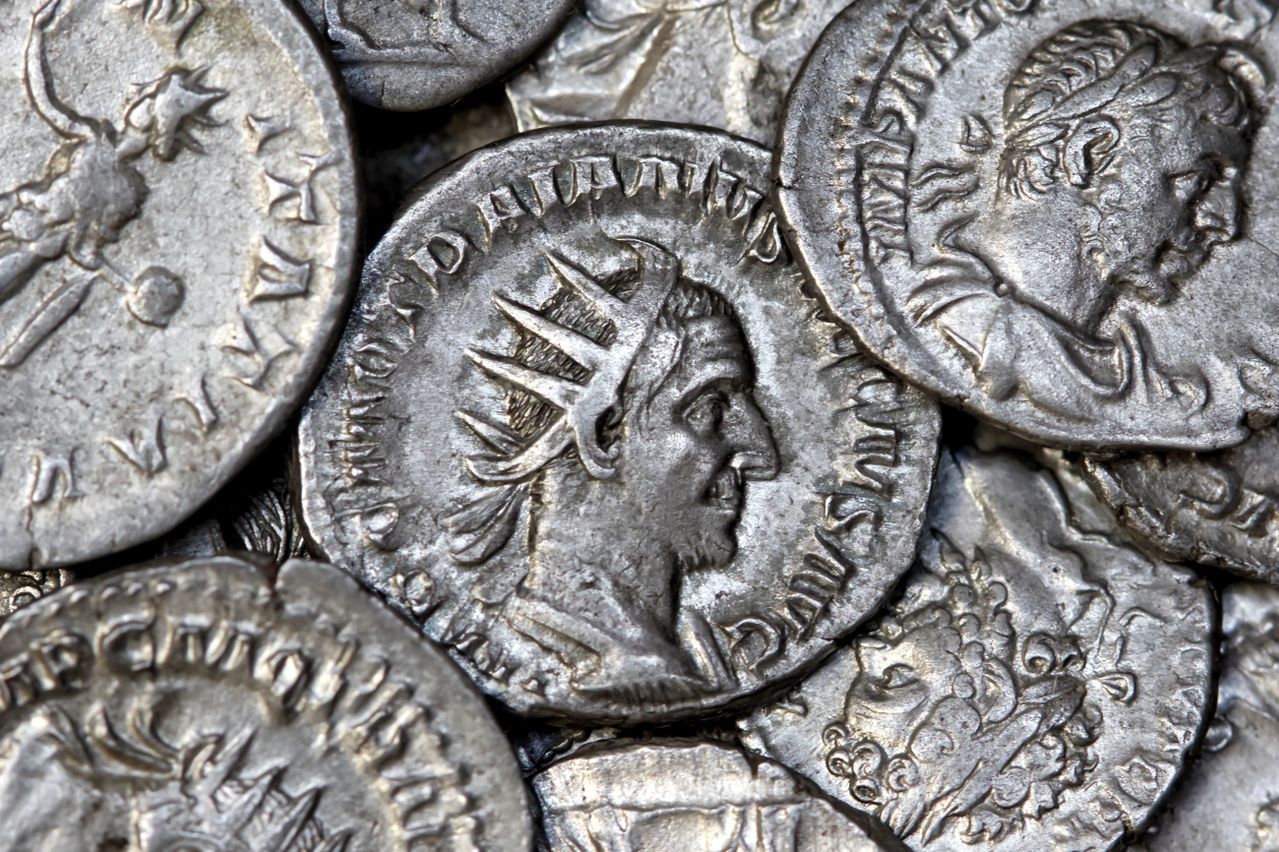
A railway excavation in southern Britain recently revealed something no one expected to find beneath the gravel and sleepers: a small bronze coin stamped with the face of a forgotten emperor. Archaeologists identified it as belonging to one of the short‑lived rulers who broke away from Rome and claimed Britain and parts of western Europe as a separate empire nearly 1,700 years ago. For historians, this is not just another coin; it is a new clue to how power, loyalty, and identity worked at the far edge of the Roman world.
A “breakaway emperor” was a regional strongman who seized control during times when Rome was weak, setting up a rival court and minting coins to prove he belonged on the same level as the emperors in Italy. Finds like this help us see Roman Britain not as a quiet backwater but as a place where soldiers, merchants, and local elites weighed their loyalties and sometimes backed their own rulers. When we travel by train or drive across England and Wales today, we pass over these buried stories every mile. At Heritage & Stone Tours, we build our private, experience-led ancient Britain tours around discoveries just like this, turning headlines into places you can stand and touch.
Who Was Britain’s Breakaway Emperor?
Roman Britain went through periods of deep crisis. Armies along the frontiers felt neglected, local governors had their own ambitions, and the official emperors in Rome sometimes changed faster than coins could be struck. In that kind of atmosphere, powerful regional leaders could grab control of Britain and parts of Gaul and declare themselves emperors in their own right.
This newly highlighted coin is linked to one of those rulers, a man whose authority depended on three things:
- Control of the army in Britain and northern Gaul
- Recognition from local elites who needed order and security
- A steady flow of coins showing his face and imperial titles
Roman coins were tiny propaganda posters. On one side you might see the emperor’s portrait with an inscription naming him as “Augustus” or “Caesar,” on the other a message like “Restorer of Peace” or “Bringer of Victory,” often paired with a god or goddess who backed his rule. What makes this particular coin remarkable is that it survived in the ground with enough detail for experts to read those messages. The portrait style, the choice of deity, and even the wording tell us how this breakaway emperor wanted people in Britain to think about him: loyal to Roman traditions, yet strong enough to stand alone.
For anyone curious about ancient Britain tours, this is not just academic. You can still:
- Walk beside Roman town walls that stood during these power struggles
- Visit villas where wealthy Britons counted out coins like this to pay workers
- Stand in the ruins of temples where offerings were made for the ruler’s success
- Follow the line of straight Roman roads that carried troops and taxes
From the Roman Baths in Bath to the remains around Salisbury and Old Sarum, the physical world of this emperor’s Britain is still visible, especially when you have a guide who can connect a coin in a display case to the land around you.
How a Single Coin Rewrites the Story of Roman Britain
Modern construction projects like railway upgrades and new streets cut through untouched layers of soil and reveal what earlier generations left behind. Coins turn up often, but each one has a “findspot,” a precise place where it came from, and that location can change how we understand Roman Britain.
A single coin can hint at:
- Trade routes, if it turns up far from any known Roman center
- Military movements, if several are found near marching camps or forts
- Local loyalties, if coins of a breakaway emperor appear in some areas but are missing in others
When a breakaway emperor’s coins show up along a railway line in southern England, it suggests that his authority reached that far and that people there were willing, or at least required, to use his money. That challenges the idea of Britain as a quiet, remote outpost. Instead, it looks more like a dynamic frontier where armies could make or break emperors, and ideas from across the Roman world moved along the roads and rivers we still follow.
On our tours across England and Wales, we see this bigger picture at sites such as:
- The Roman Baths in Bath, where soldiers and traders relaxed, worshiped, and did business
- Caerleon in South Wales, with its legionary fortress and amphitheater, a place where loyalty to any emperor really mattered
- Remains along former Roman roads that still shape modern routes through the countryside
These are places where a coin like the one from the railway might have been passed from hand to hand, from paymaster to soldier, from seller to buyer.
Walking in the Footsteps of Rome Across England and Wales
Stand in a Roman bath complex while warm mineral steam rises around you, and it is easy to picture coins clinking at the edge of the pool as people pay for entry or leave offerings. Walk through the outline of a Roman forum, and you can almost hear the noise of traders calling out prices, magistrates issuing orders, and soldiers flipping coins as they wait for orders. In forts, pay chests were opened, leather purses rustled, and new coins stamped with an unfamiliar emperor’s face signaled that power had shifted again.
At Heritage & Stone Tours, we focus on Roman-rich places that bring this world to life, including:
- Bath, with its hot springs, temple precinct, and museum full of Roman finds
- Salisbury and Old Sarum, where layers of Iron Age, Roman, and medieval history sit side by side
- Cirencester and the Cotswolds, once one of the largest towns in Roman Britain
- Caerleon in South Wales, a key legionary base guarding the western frontier
- Coastal sites that remind us how sea routes tied Britain to the wider empire
Our private ancient Britain tours are designed for visitors from the US and Canada who want both comfort and depth. With your own experienced driver‑guide and private transportation, you can travel at your own pace across England and Wales, and into Scotland only when private transport is also arranged. We keep groups small and flexible, so there is time to pause over a new discovery or follow a question that interests you. Because we stay engaged with current archaeology, our guides can weave fresh finds like the railway coin into their stories, updating the narrative as scholars learn more.
From Rail Digs to Country Lanes: Making History Personal
Seeing a coin in a display case is one thing. Standing on the chalk downs where Roman roads crossed prehistoric tracks, or in a cathedral city that grew out of a Roman settlement, is something else entirely. Our approach is to get you out into those landscapes, along quiet country lanes, through small villages, and into harbor towns where the rhythm of life still follows ancient patterns. That way, when you hear about a coin lost beside a Roman road, you can look down at the ground under your own feet and feel the connection.
On our experience-led days, you can expect:
- Small private groups, so conversations feel natural, not like a lecture
- Unhurried stops, with time to absorb each site rather than rushing through
- Space to ask detailed questions about coins, forts, temples, or anything else that catches your eye
- Stories that link a single artifact, like the railway coin, to the long history of Britain
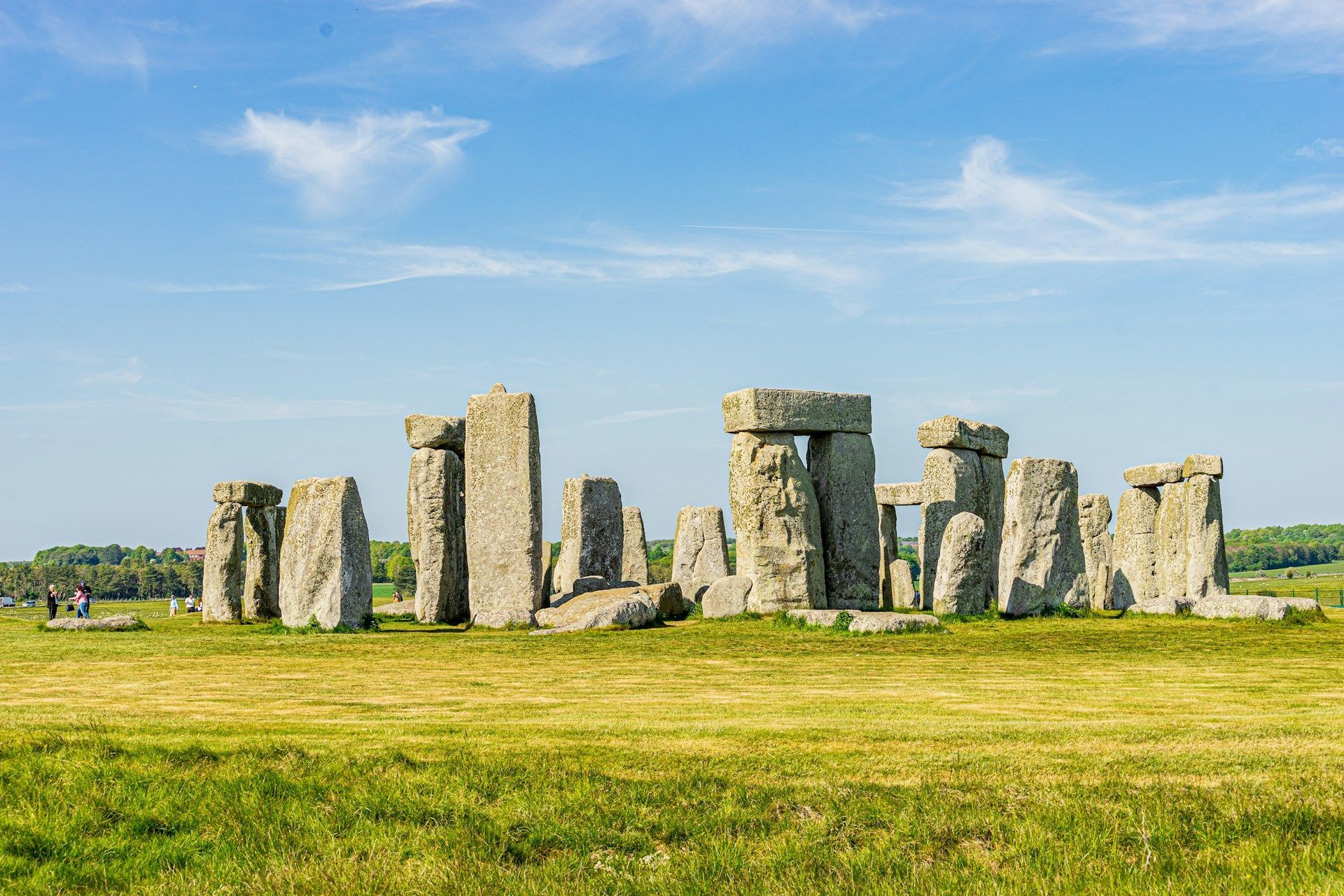
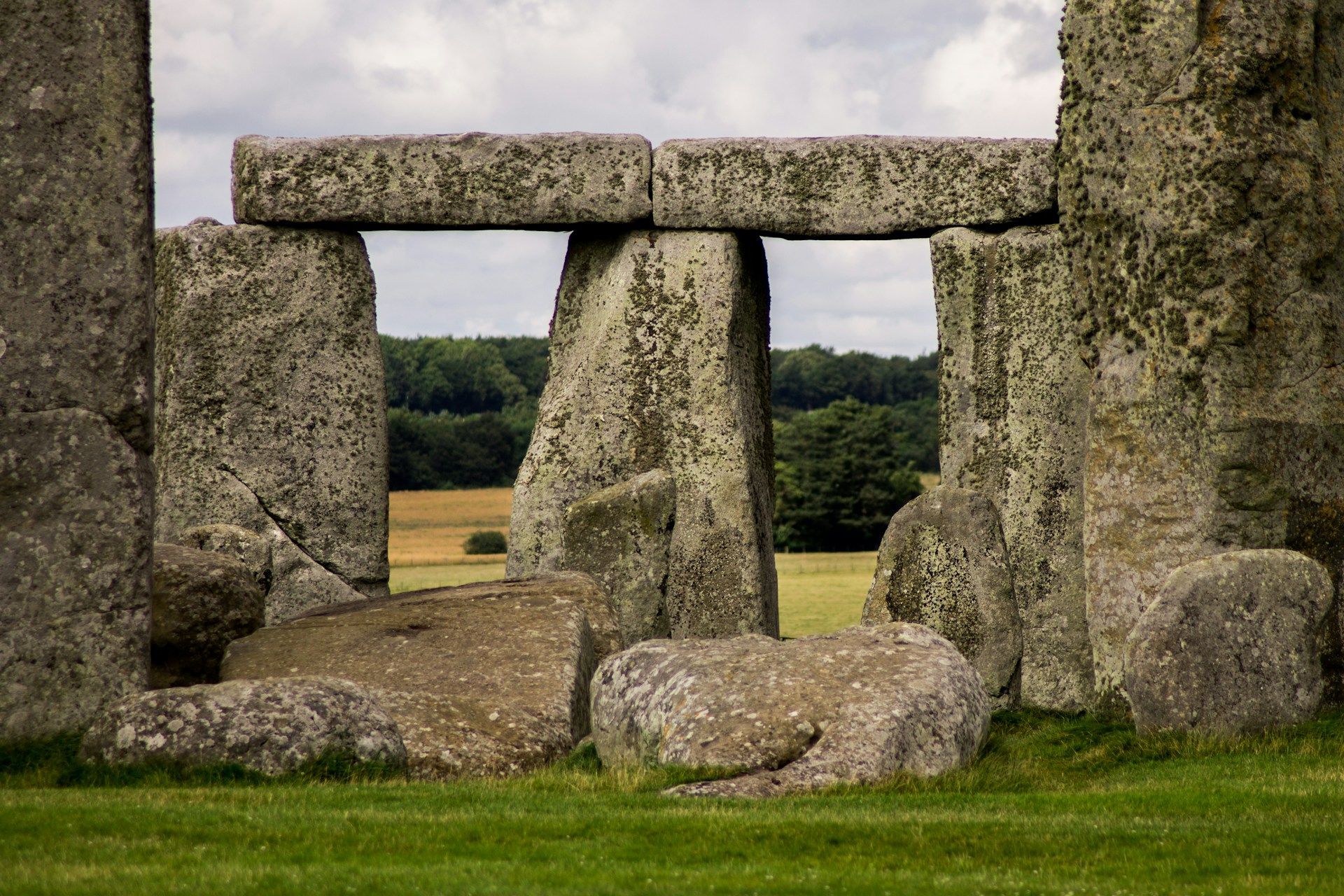
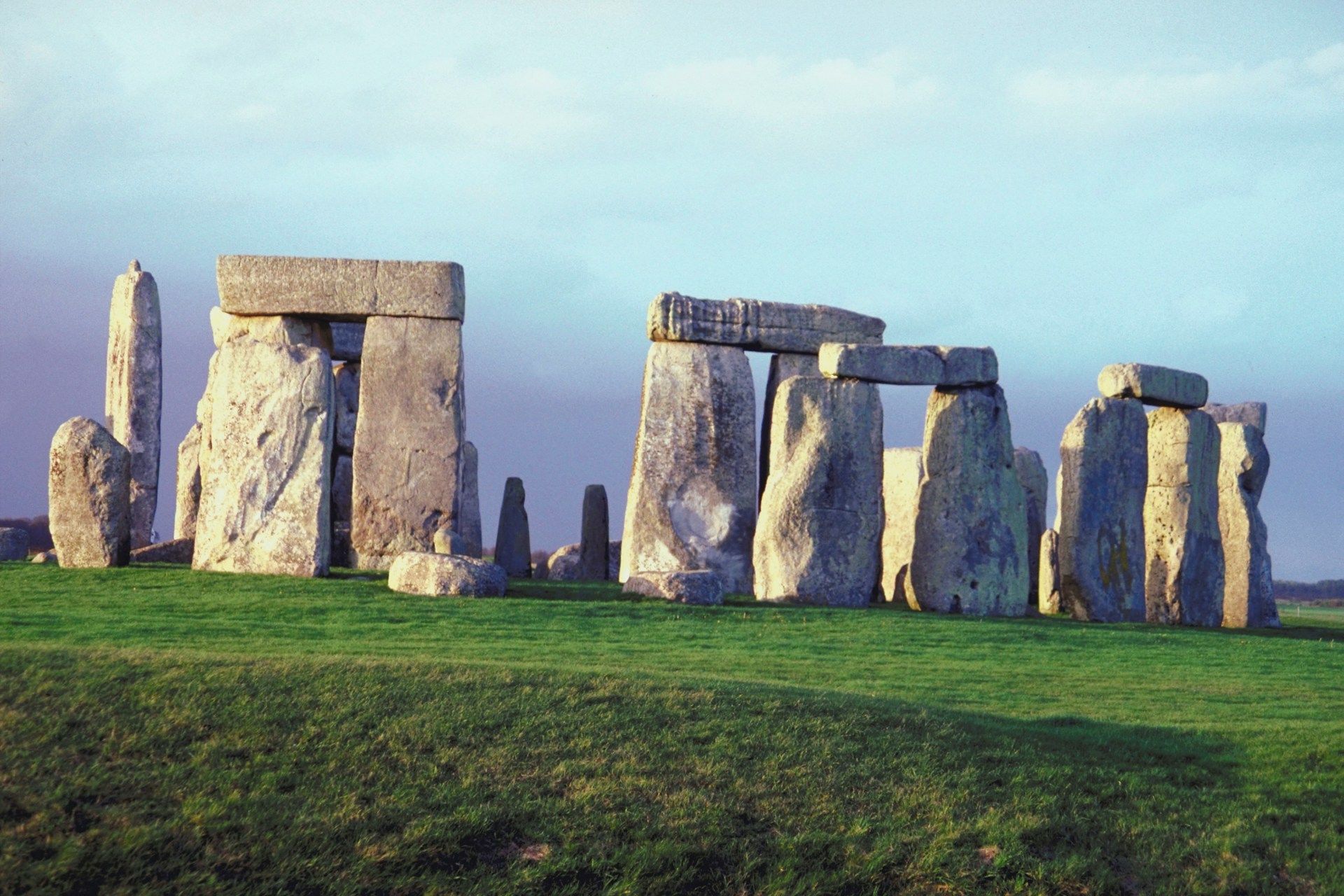
A day that includes Stonehenge, Bath, or Avebury rarely sticks to one time period. At Stonehenge, we talk about how later Romans viewed this already ancient monument. In Bath, Roman worship of local waters connects to earlier beliefs and later medieval healing traditions. Around Avebury, the landscape shows how each era reused what came before, from Iron Age earthworks to Roman farms and later Christian churches. For guests from North America, we handle the practical side too, with door‑to‑door pick‑up from London, confident driving on rural roads, and local knowledge about quieter viewpoints and welcoming cafés.
Turn Today’s Discoveries Into Tomorrow’s Travel Memories
The next news story about a Roman coin or a buried road might mention a town you have walked through or a field you have looked across. When you have stood where Roman Britain once thrived, it becomes far easier to picture whose hands held those coins, whose wages they paid, and what loyalties they signaled. Ancient Britain tours are not only about seeing ruins; they are about learning to read a landscape filled with traces of people who faced choices about power, identity, and belonging.
We work with guests to create custom days that follow these stories across southern England and Wales. Some visitors choose a Roman‑and‑Bath spa theme, mixing archaeology with time at the modern spa. Others prefer a Salisbury and Stonehenge route that feels like time travel from prehistory through the Roman era to the medieval city. A Roman frontier day might link English and Welsh sites, from Cirencester or Bath to Caerleon and the coastal defenses. However you structure it, the goal is the same: to connect fresh discoveries like the railway coin with the places you see and the stories you bring home.
Begin Your Journey Into Ancient Britain Today
Discover how Heritage & Stone Tours can bring the myths, mysteries, and landscapes of the past vividly to life on our curated
ancient Britain tours. We carefully design each itinerary to balance expert insight with time to explore, reflect, and truly connect with these remarkable sites. If you are ready to plan your visit or have questions about customizing your experience, simply
contact us and we will help you create a memorable journey.
In This Article
Plan Your Day Trip
Tell us what interests you and we'll design the perfect itinerary for your group.
Share
More from the Journal