Preserving Britain’s Past at Stonehenge with English Heritage
Why Stonehenge Still Inspires us Today
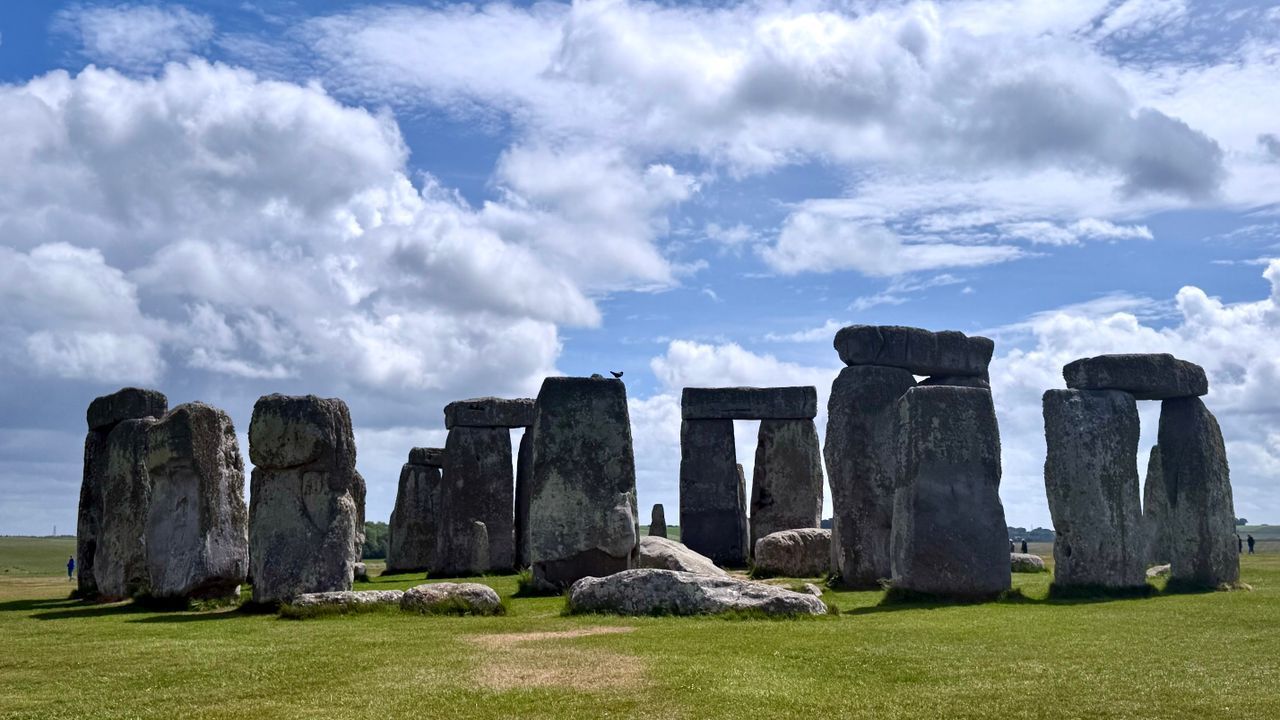
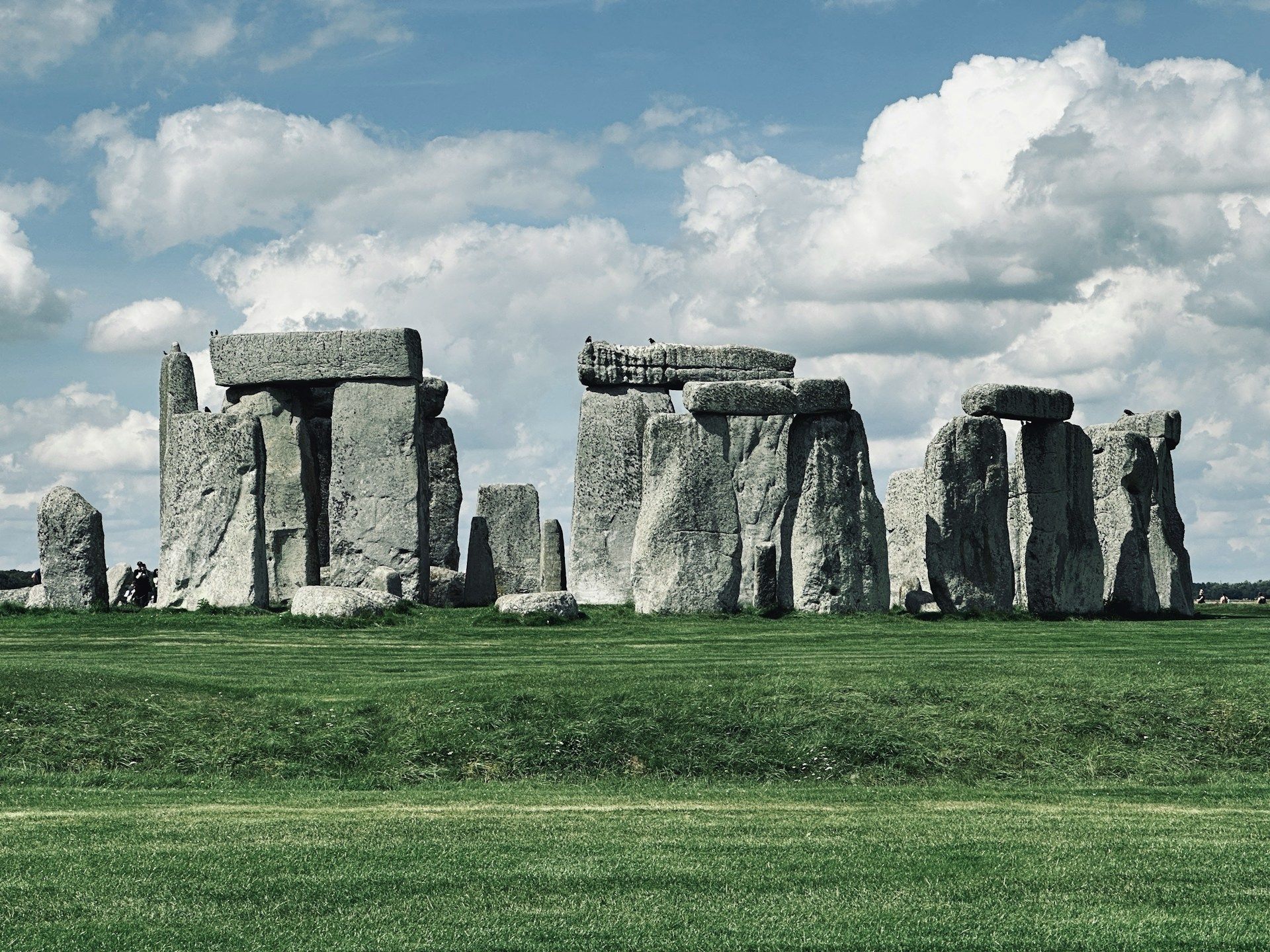
The first time the stones appear on the horizon, most visitors fall quiet. After miles of peaceful fields and low rolling hills, Stonehenge suddenly rises from the plain, older than written history, yet still very present. For many guests from the United States and Canada, that first glimpse is the moment when history stops being something in a textbook and becomes something you can actually see and feel.
But Stonehenge is not just a dramatic backdrop for photos. It is a fragile prehistoric site, shaped by thousands of years of weather, human activity, and natural change. Every footstep, every hand on a stone, every car that once rumbled past on the nearby road has left its mark. Caring for it is a long, careful process that happens quietly, every single day.
English Heritage, the charity responsible for Stonehenge, looks after hundreds of UK historic landmarks. When we take guests on private Stonehenge tours, we like to show both sides of the story: the awe of standing close to the stones and the careful work, often invisible to the casual visitor, that keeps this place safe for the future.
Who English Heritage Is and What They Protect
English Heritage is the organization that cares for Stonehenge, but its work stretches far beyond the stone circle. Across England, the charity looks after a huge variety of places, from prehistoric sites and Roman remains to medieval castles and grand country houses. Together, these locations tell the story of British heritage in a way no single monument ever could.
At the heart of English Heritage is a simple but powerful mission: protect historic places, study them, and share their stories with the public. That means they are involved in:
- British heritage preservation and long-term planning
- Research and archaeological work that deepens what we know
- Exhibitions, educational programs, and interpretation on site
- Events and experiences that bring the past to life
One of the hardest parts of their work is balancing preservation of historic sites with making them welcoming and accessible. Visitors from around the world want to walk through castle gates, stand near ancient stones, and explore ruins. English Heritage has to make that possible without putting those places at risk.
To do this, the charity works closely with archaeologists, conservators, and historians. They develop heritage conservation services that respect each site’s unique needs, from fragile stonework to buried artifacts. Stonehenge is one of their most famous responsibilities, but it is part of a much wider effort to protect UK historic landmarks for future generations.
Behind the Scenes of Stonehenge Conservation
When we bring guests out onto the Stonehenge landscape, we often say that the most important work is the work you do not see. Stonehenge conservation is not a one-time project; it is a long, ongoing process of watching, testing, and adjusting.
Some of the key tasks include:
- Monitoring the slightest movements of the stones over time
- Studying erosion and cracks caused by weather and temperature changes
- Managing lichen and other biological growth on the stones
- Checking the condition of buried features around the circle
Ancient monument protection also means being careful about where visitors can go. For much of the time, access to the inner circle is controlled, and visitors follow a set path around the stones. This is not to spoil the fun, but to prevent gradual wear that, over many years, can cause real damage. Every step on bare earth or touch on ancient stone adds up.
English Heritage uses modern tools, along with traditional observation, to guide decisions. Archaeological surveys help map what lies beneath the surface, while digital models and long-term records inform how the monument is aging. Heritage conservation services here are thoughtful and patient, focused on how Stonehenge will look not just next season, but far into the future.
On our private Stonehenge tours, we often explain these behind-the-scenes efforts as we walk. It changes how people see the site. Suddenly, the ropes and paths make sense, and visitors start to understand that quiet scientific work is as important to the story as the myths and legends.
Caring for the Landscape and Visitor Experience
Stonehenge is not only the stones themselves. It sits in a wider historic landscape of ancient earthworks, burial mounds, and trackways. Historic site maintenance has to consider all of this, not just the famous circle.
Over time, English Heritage and partner organizations have worked to:
- Reduce the impact of nearby modern roads on the setting
- Create and improve walking routes that protect sensitive ground
- Use shuttle buses to limit vehicle traffic near the monument
- Restore the look and feel of the wider prehistoric landscape
The Stonehenge visitor experience is carefully designed to support preservation of historic sites while still giving guests the information and access they want. Before you even see the real stones up close, you pass through the visitor center, where:
- Exhibitions explain Stonehenge’s archaeology and history
- Replica Neolithic houses show how people might have lived
- Detailed interpretation helps visitors understand what they are about to see
All of this reduces pressure on the monument itself. When people arrive already informed and engaged, they are more likely to respect boundaries, stay on paths, and see Stonehenge as more than just a backdrop for a quick photo. It becomes a shared responsibility.
Thoughtful cultural heritage tourism planning means that visitors still enjoy amazing views and photo opportunities. At the same time, ancient monument protection rules keep the most vulnerable areas safe. That balance is what allows so many people to visit each year without overwhelming the site.
Why Responsible Visits Matter for Britain’s Past
Every visitor to Stonehenge leaves an impact, even if it is small. That is why responsible behavior matters so much. British heritage preservation is not only about professionals working on scaffolding or in labs. It is also about how each of us behaves when we arrive.
A responsible visit usually includes simple actions:
- Following marked paths and respecting barriers
- Avoiding touching or leaning on the stones
- Keeping food, drink, and litter away from sensitive areas
- Listening to staff and guides who know the site’s needs
Ticket sales, memberships, and donations help fund English Heritage’s ongoing work. When visitors travel thoughtfully, they support historic site maintenance and the broader mission to keep UK historic landmarks protected and accessible.
Small-group and private Stonehenge tours fit naturally with this approach. With fewer people and more time, we can adapt the pace of the visit, answer detailed questions, and make sure everyone understands why certain rules are in place. Guests from North America often tell us that the extra context helps them feel more connected, not restricted.
You can still enjoy close views, striking photographs, and the thrill of being near such an ancient place. The difference is that you leave knowing your visit has helped, not harmed, the monument.
Explore Stonehenge with Deeper Insight and Care
When we stand with our guests on Salisbury Plain, we like to think of all of us as temporary caretakers. We are only at Stonehenge for a short time, but our choices help decide how it will look for those who visit after us. This is a shared human story, and we are all part of it.
Planning a visit with care means paying attention to English Heritage guidance on timing, access, and behavior. It means choosing routes, times of day, and tour options that respect the needs of the site as well as your own interests. Private Stonehenge tours with experienced local guides can add layers of history, landscape insights, and conservation stories that you might otherwise miss.
By understanding how English Heritage works to protect Stonehenge, we gain a new appreciation for every view of the stones. The more we know, the more we value what is at stake. And by treating our time here as a privilege, we help ensure that this extraordinary circle of stones remains standing, inspiring, and welcoming to visitors from around the world for generations to come.
Experience Stonehenge On Your Own Terms
Discover Stonehenge with a custom itinerary, flexible timing, and plenty of space for your questions on our curated
private Stonehenge tours. At Heritage & Stone Tours, we design each experience around your interests, whether you are traveling as a couple, a family, or a small group of friends. We handle the logistics so you can focus on the history, scenery, and stories that bring the stones to life. If you are ready to plan your visit, you can
contact us to start arranging your tour.
In This Article
Plan Your Day Trip
Tell us what interests you and we'll design the perfect itinerary for your group.
Share
More from the Journal