Druids, Rituals, and the Mysteries of Ancient Britain
Stepping Into a Land of Legends
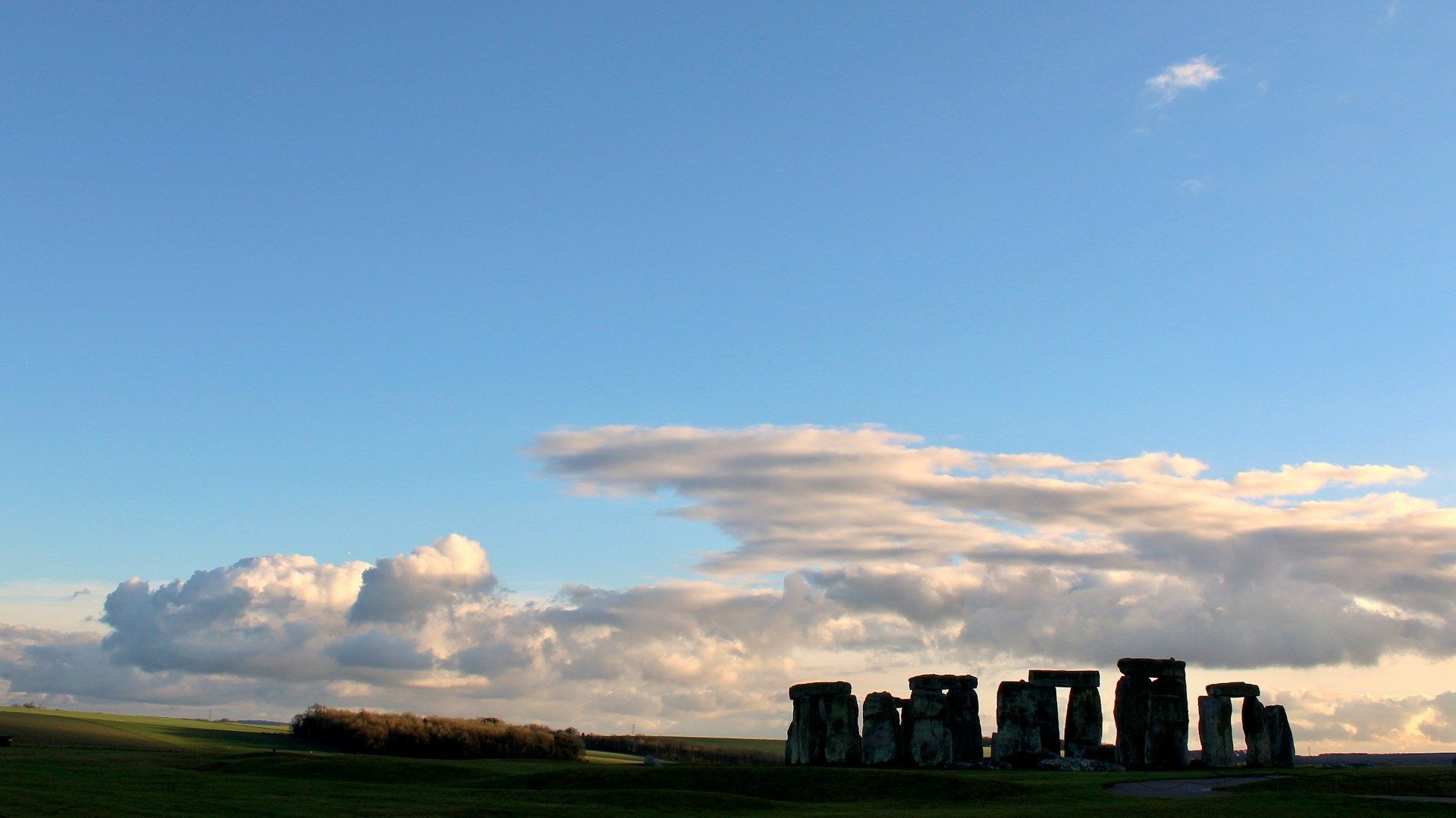
Arriving in Southern England, it does not take long before the past feels very close. Low mist hangs over green fields, ancient trackways cut across the hills, and on distant ridgelines grey stones stand like watchful figures. This part of Britain is shaped by thousands of years of stories, from the first farmers who raised stone circles to the later tales of Druids, saints, and kings.
For many visitors from the US and Canada, names like Stonehenge, Avebury, and Bath are already familiar from books, movies, and school lessons. Druids, Celtic myths, and mysterious rituals are a big reason people choose ancient Britain tours in the first place. At Heritage & Stone Tours, we specialize in private, story-led days out that make this history feel personal and easy to follow, without losing the sense of wonder. In this article, we will explore who the Druids might really have been, how ancient rituals worked, and why places like Stonehenge, Avebury, Bath, and Salisbury still feel magical when you walk among them today.
Who Were the Druids Really?
When people think of Druids, they often picture long white robes, staffs raised to the sky, and powerful spells. The real picture is more complex, and in many ways more interesting. From Roman writers, archaeology, and the later traditions of Wales and Ireland, we get a sense of Druids as a highly trained class among Celtic peoples:
- Religious specialists who led ceremonies and honored the gods
- Judges and lawmakers trusted to settle disputes
- Keepers of oral history, poetry, and tribal memory
- Advisors to chiefs, watching the stars and the seasons
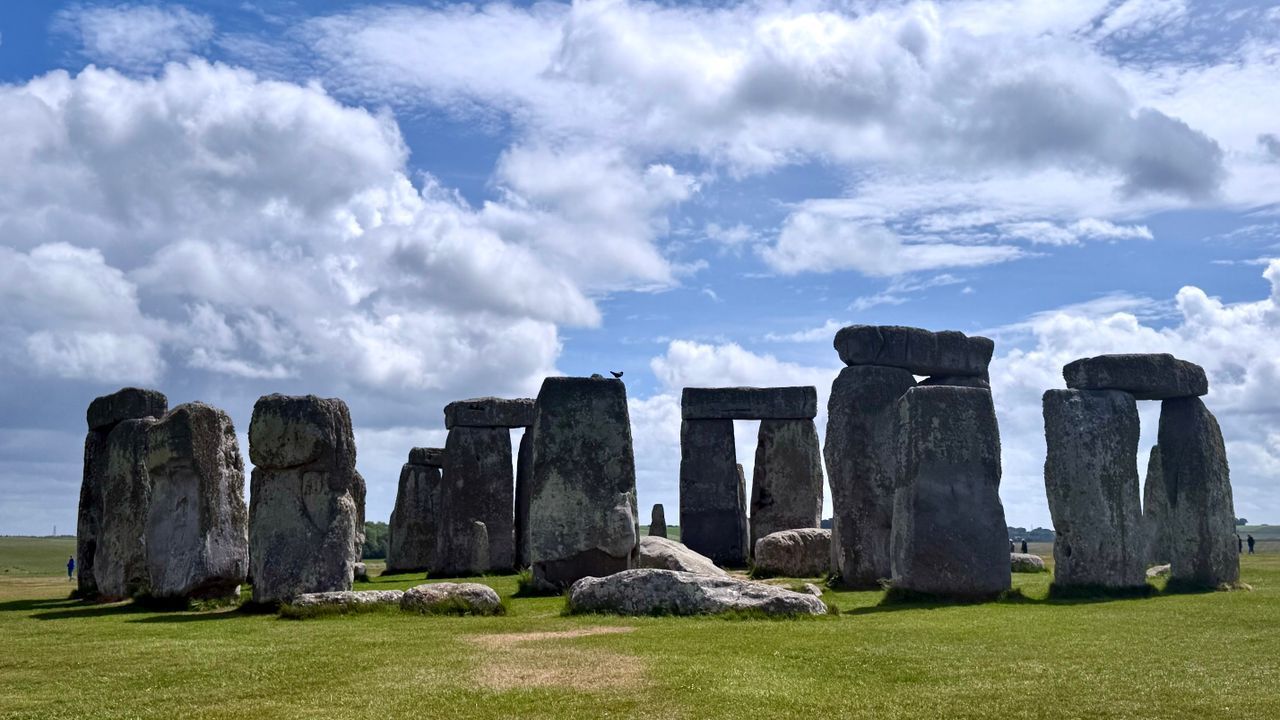
One key point we always explain on tour is timing. Stonehenge and Avebury were built long before the historical Druids we hear about in classical sources. Yet, for centuries, people have linked Druids with these stone circles. That link is legendary rather than historical, but legends have power, and many visitors feel that connection as soon as they see the stones on ancient Britain tours.
In ancient British societies, Druids seem to have stood at the meeting point of daily life and the spirit world. Seasonal festivals, important oaths, and decisions about war or peace may all have involved Druid counsel. They were part priest, part philosopher, part storyteller.
Pop culture gives us Druids as spellcasters, often borrowing from fantasy fiction. Scholars paint a picture grounded in ritual, learning, and social authority. Both images shape how travelers think about ancient Britain tours. Our role as guides is to honor the excitement of the myth while gently sharing what the evidence actually supports.
Rituals, Seasons, and the Sacred Landscape
For the Celtic peoples, the year was marked not just by dates on a calendar, but by vivid turning points in nature and farming. Four key festivals often mentioned in later sources are:
- Samhain, at the darkening of the year, linked with ancestors and spirits
- Imbolc, in late winter, tied to the first signs of returning light and lambing
- Beltane, in spring, with fire, fertility, and protection for animals and crops
- Lughnasadh, in late summer, celebrating the first harvest
These were not abstract holidays. They were grounded in a landscape full of sacred places: groves of trees, hilltops, river crossings, springs, and circles of stones that formed what many call an open-air temple spread across the countryside. When guests follow ancient Britain tours today, they are often moving along the same ridges, river valleys, and alignments that shaped ceremony long ago.
Rituals might have involved offerings of grain, food, or precious metal placed in rivers or bogs, shared feasts at sunrise or sunset, firelight flickering on faces, and powerful storytelling that passed down history without writing. Popular media can give the impression that sacrifice and violence were constant, but most religious life seems to have focused on thanking the gods, asking for protection, and keeping communities in balance.
Around Stonehenge, we walk guests through a wider ritual landscape filled with burial mounds, avenues, and processional routes that link the stones to the River Avon. At Avebury, the stones form part of a vast complex of ditches, mounds, and alignments on the downs. With maps, viewpoints, and local stories, we help visitors picture how these areas could once have been filled with people, music, and firelight.
Stonehenge, Avebury, and the Druid Legend
When people first stand at Stonehenge, one of the biggest surprises is just how old it is. The first earthworks and timber structures belong to farmers from the Neolithic period, long before the historical Druids appear in written records. Avebury, with its giant stone circle swallowing a whole village, also belongs to this deep prehistoric world of early farmers and sky-watchers.
Over the centuries that followed, new cultures arrived, old languages faded, and the original builders were forgotten. Into that silence, later generations placed their own stories. Medieval writers suggested legendary wizards and giants. Victorian painters filled the stones with shadowy Druids. In recent centuries, modern Druid and Pagan groups have returned to these sites, creating living traditions that honor the solstices and equinoxes with respectful ceremonies.
So why does the idea of Druids at Stonehenge stay so strong, especially in tourism and film? A few reasons stand out:
- Stonehenge and Avebury are visually dramatic, perfect backdrops for mystery
- Actual prehistoric beliefs are harder to picture than robed figures chanting
- Modern Druid groups keep the image alive with peaceful seasonal gatherings
On tour, we explain that while the historical Druids did not build Stonehenge, the modern connection reflects a long human habit of layering new meanings onto old places. Guests who choose private Stonehenge tours or combined Stonehenge and Avebury day trips often tell us that understanding this layering actually makes the stones feel even more meaningful.
Myths, Movies, and What Archaeology Reveals
When most of us think about ancient Britain, familiar images jump to mind: robed figures at dawn, swirling mist, deep chants, and maybe a bit of fantasy-movie magic. Archaeology offers a quieter but very rich set of clues that help us see what life and belief might really have looked like.
Across Britain, archaeologists have uncovered:
- Ritual deposits in rivers and bogs, including weapons, tools, and jewelry
- Carved stones and rock art that may mark sacred places or stories
- Burials with grave goods, such as pottery, weapons, or ornaments
- Whole ritual landscapes, not just single monuments, linked by paths and views
Each find is a piece of a puzzle. A bronze sword in a river hints at offerings to a water deity. A richly furnished burial suggests respect for leaders or ancestors. A line of mounds pointing toward a sunrise shows how people tied their ceremonies to the sky.
On our ancient Britain tours, we do not ask guests to remember artifact codes or technical terms. Instead, we weave myth and evidence together. We are open about what we know, what we are still debating, and where careful imagination can fill in the gaps as you stand in the very spots where those stories unfolded. You do not need a history degree to enjoy any of this. Our job is to turn deep research into clear, memorable stories that stay with you long after you leave the stones behind.
Walking the Old Paths for Yourself
Books, documentaries, and movies can only take you so far. There is a different kind of understanding that comes when you stand inside the stone circle, feel the wind on the downs, or rest your hand on the worn stone of a medieval church in Salisbury. In Bath, the Roman temple and hot springs sit on ground that was sacred even earlier, another reminder of how one set of beliefs layers over another across time.
For some visitors, a highlight is private, small-group access to Stonehenge at sunrise or sunset when available, when the light cuts low across the stones and the crowds fall away. Others prefer a full day that links Avebury, Stonehenge, and quiet Cotswold villages, or a slower itinerary that works well for families and older travelers who like more time at each stop. Whether you are drawn by the idea of Druids, by the science of archaeology, or simply by the feel of ancient places, walking these old paths in person is the best way to connect story, landscape, and legend into one unforgettable day.
Step Into Britain’s Ancient Story With a Guided Tour
If you are ready to move beyond the history books and experience these landscapes in person, we invite you to explore our curated
ancient Britain tours. At Heritage & Stone Tours, we focus on small groups and authentic storytelling so you can connect more deeply with each site. Share your dates, interests, and questions and we will help you shape an itinerary that matches your pace and curiosity, or
contact us to start planning your journey today.
In This Article
Plan Your Day Trip
Tell us what interests you and we'll design the perfect itinerary for your group.
Share
More from the Journal