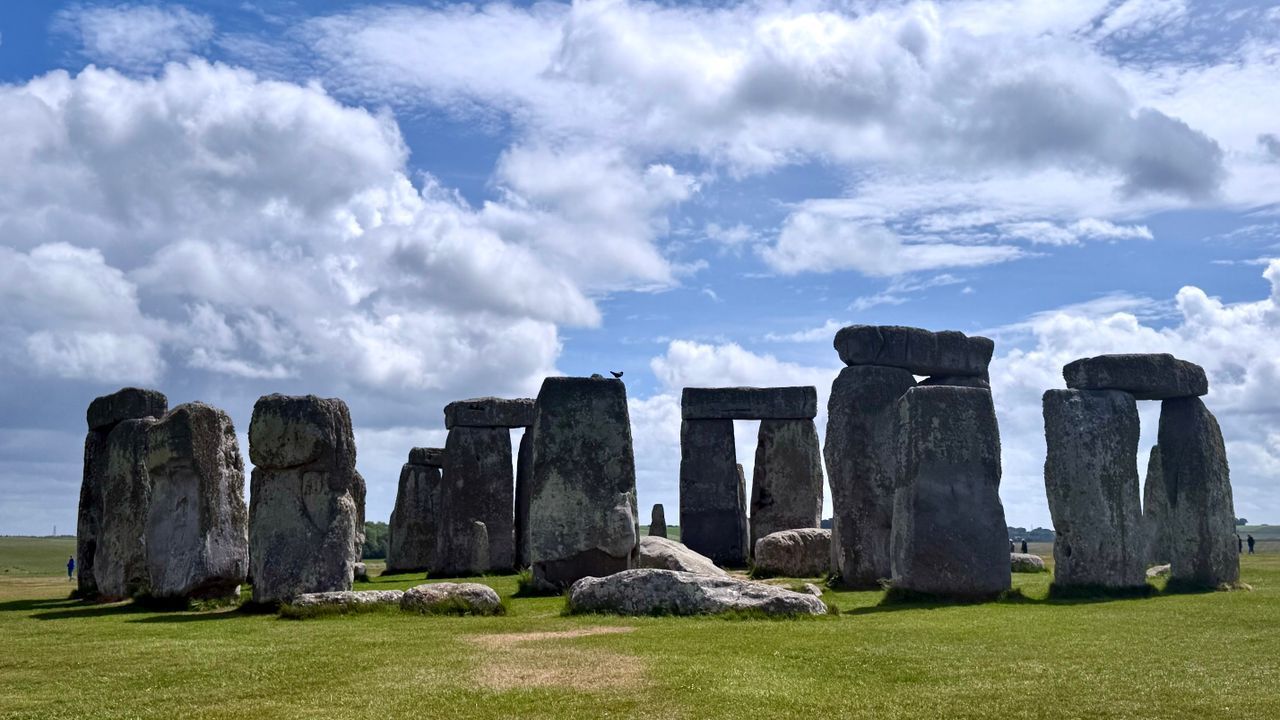
How to Plan the Perfect Stonehenge Day Trip From Salisbury
July 26, 2026

Why Base Your Stonehenge Adventure in Salisbury


Starting your Stonehenge day trip in Salisbury makes the whole experience smoother, especially if you are arriving from North America. Fast train links from London bring you straight into a compact medieval city where the main sights are all within easy walking distance. From here, Stonehenge, Old Sarum, Avebury, Bath and even the Cotswolds sit within reach, so you can see more without spending all day in transit.


For many visitors, a private, experience-led Salisbury Cathedral and Stonehenge tour is far more comfortable than a large coach trip. You travel on your own schedule, with hotel or station pick-up, which is ideal if you are tired from an overnight flight, visiting with children, or traveling with elderly relatives. At Heritage & Stone Tours, we focus on private day tours in Southern England, using our experience in the area to offer thoughtful itineraries at sensible prices for couples, families, and small groups.


Salisbury’s Medieval Treasures Before You Head to the Stones


Salisbury Cathedral is often the highlight before guests even reach Stonehenge. The soaring Gothic interior, peaceful cloisters, and graceful spire create a calm, almost timeless atmosphere. One of the great rewards of a visit is seeing an original Magna Carta manuscript, preserved in remarkably good condition and displayed with clear explanations that bring English legal history to life.


The medieval city around the cathedral is just as appealing on a smaller scale. Narrow streets lined with timber-framed buildings, quiet riverside paths, and traditional pubs give you a real sense of place. On market days, the main square fills with stalls selling:


  • Fresh local produce and baked goods 
  • Simple, tasty lunches and snacks 
  • Crafts, textiles, and gifts with local character 
  • Everyday items that show how people shop and live here 


A private guide can help you make the most of this compact center without overdoing it. For multi-generational groups, we often:


  • Suggest gentle walking routes between the cathedral and the market 
  • Build in coffee or restroom breaks at convenient spots 
  • Point out benches and quiet corners in the cathedral close 
  • Adjust timing if anyone needs to sit out a climb or a longer walk 


That way, everyone can enjoy Salisbury’s medieval charm at a comfortable pace before heading out to the prehistoric sites.


Planning the Ideal Salisbury Cathedral and Stonehenge Tour


A well-planned Salisbury Cathedral and Stonehenge tour usually starts with the cathedral and city in the morning, then Stonehenge later in the day. Many visitors like to allow:


  • Around 1.5 to 2 hours for the cathedral, Magna Carta, and close 
  • Around 1 hour for a short look at Salisbury’s medieval streets or market 
  • Around 1.5 to 2 hours for Stonehenge, including the visitor center and shuttle 
  • Extra time if adding Old Sarum or Avebury to the same day 


Public buses can reach Stonehenge from Salisbury, but they run on fixed schedules and may involve waiting in all weather. A private driver-guide offers door-to-door pickup from your hotel or the station, flexible timing, and help with tickets, which many families and older travelers really appreciate after a long flight or a few busy days in London.


On a private tour with a local guide, your day might include:


  • Help with timed admissions and fast-track style entry where possible 
  • Clear, engaging storytelling about the ancient landscape around Stonehenge 
  • Photo stops in the countryside, away from crowds when practical 
  • Flexible lunch in a village pub or café that suits your tastes and mobility 
  • The option to shorten or extend stops depending on how everyone feels 


This level of flexibility keeps the day relaxed rather than rushed, even when you are seeing several sites.


Beyond Stonehenge: Old Sarum, Avebury, Bath and the Cotswolds


Old Sarum, just outside modern Salisbury, is where the original settlement once stood. From this hilltop site, you get sweeping views over the modern city and countryside, and the earthworks are easy, short walks for most ages. Standing on the old ramparts helps make sense of how Salisbury grew from this earlier fortress.


Avebury offers a very different experience from Stonehenge. The stone circle is larger and more spread out, with a village inside it, so you can often walk right among the stones and feel part of the prehistoric landscape. Many visitors find Avebury:


  • Less crowded and more relaxed than Stonehenge 
  • Easier for children to enjoy, since they can move more freely 
  • A good place for gentle walks that can be shortened if needed 


If you have more than one day in the area, it is easy to use Salisbury as a base for private trips to Bath or the Cotswolds in England, or into parts of Wales. These work especially well with a private vehicle so you can reach smaller villages and viewpoints. Scotland usually makes sense only when private transportation is arranged as part of a longer itinerary, not as a simple day trip from Salisbury.


Comfort, Accessibility, and Value for Families and Seniors


Stonehenge and Salisbury are very manageable for visitors with limited mobility or young children, as long as you plan ahead a little. It helps to know:


  • There is a shuttle from the Stonehenge visitor center toward the stones, with a short optional walk 
  • Pathways around the stones are fairly level, with resting points 
  • Salisbury Cathedral has seating inside, with many spots to pause and look up 
  • Public restrooms are available at the cathedral, in town, and at Stonehenge 


Weather can change quickly, so layers, a light rain jacket, and comfortable, closed shoes are always wise. Private tours can adjust plans on the day, for example spending more time inside the cathedral if rain is heavy, or moving on early if wind at the stones is uncomfortable for older travelers.


From a budget point of view, a private tour can offer good value when you:


  • Combine several highlights in one day rather than spread them across multiple tickets and trains 
  • Share the cost among a small group of family or friends 
  • Avoid unexpected expenses from missed connections or last-minute transport changes 


We focus on sensible prices, aiming to give you a richer experience without turning the day into an expensive luxury.


How to Choose the Right Local Expert for Your Day


Choosing the right local guide can make the difference between a good day and a great one. Helpful questions to ask when you book include:


  • How many years have you been guiding in Southern England? 
  • What is the maximum group size you take on a private tour? 
  • Do you offer hotel and station pick-up in Salisbury? 
  • Can you adapt the route for limited mobility or young children? 


A specialist company that spends most of its time in England and Wales, and knows Salisbury inside out, can usually suggest the best order of visits for your dates. At Heritage & Stone Tours, we are used to working with US and Canadian visitors, so we plan with jet lag, comfort, and clear explanations in mind.


When you review options, look for:


  • Clear sample itineraries that match your interests 
  • Prompt, straightforward communication during the planning stage 
  • Willingness to adjust for weather, mobility, and timing on the day 


Start Your Salisbury and Stonehenge Journey with Confidence


Beginning your Stonehenge experience in Salisbury gives you more than a quick look at a stone circle. You also step inside a great medieval cathedral, see Magna Carta, explore a historic market and city center, and add places like Old Sarum and Avebury that round out the story of this ancient landscape.


With a thoughtful private guide and a flexible Salisbury Cathedral and Stonehenge tour, these sites become straightforward, comfortable, and accessible for both families and older travelers. Use the ideas in this guide to sketch your ideal day, then refine the details with a trusted local expert so your time in Southern England feels relaxed, personal, and memorable.


Discover England’s Treasures On Your Own Schedule


Create a day you will always remember with our carefully curated
Salisbury Cathedral and Stonehenge tour, designed to bring history to life with comfort and ease. At Heritage & Stone Tours, we handle every detail so you can focus on exploring these legendary landmarks at your own pace. If you have questions about timings, accessibility, or custom options, simply contact us and we will help you plan the ideal visit.

In This Article

    Plan Your Day Trip

    Tell us what interests you and we'll design the perfect itinerary for your group.

    Share

    More from the Journal

    Stonehenge
    July 27, 2026
    Discover charming Wiltshire villages, Salisbury history, and the Magna Carta in Old Sarum, plus tips for visiting Stonehenge and beyond on a day trip.
    Stonehenge
    July 27, 2026
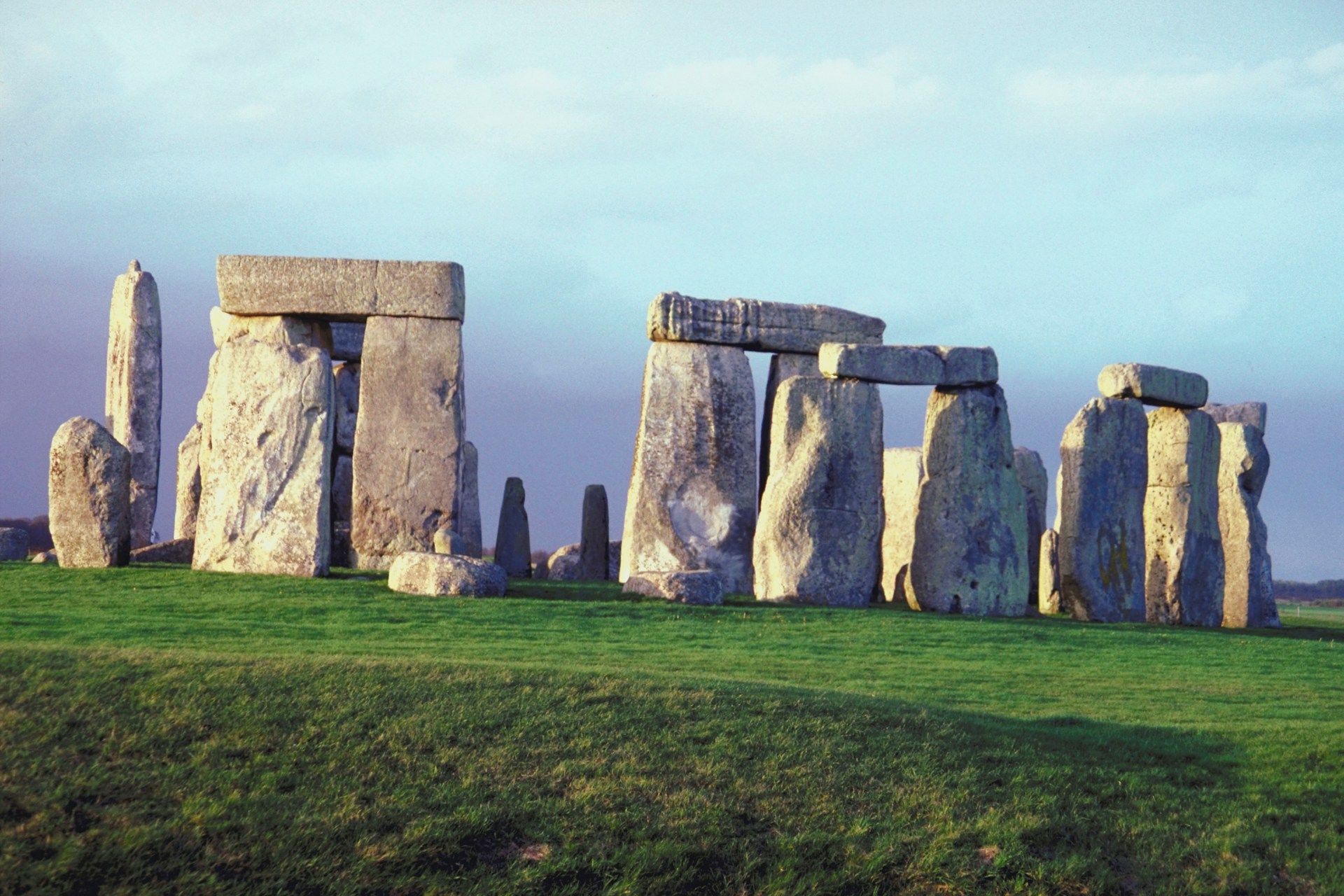
    Discover new finds near Stonehenge that are rewriting prehistory, what they reveal about early life, and the tours that bring these sites alive.
    July 26, 2026
    Walking Into the Middle Ages at the Village Cross Step into the center of a small English town, and you are often standing where centuries of market days unfolded. Stalls once crowded the square, traders argued over prices, church bells marked the hours, and in the middle of it all rose a stone cross that quietly announced, "Trade here is allowed." That cross was not a decoration; it was a legal marker that told everyone this was an authorized place to buy and sell. A market cross is usually a stone pillar or carved structure set in the heart of a town or village. From the early Middle Ages onward, it showed that a ruler, bishop, or abbot had granted formal rights to hold a market. In a world where unauthorized trade could be shut down or fined, that mattered. Today, travelers can still stand at these same points in places like Chichester, Salisbury, and Malmesbury and quite literally put their feet where medieval merchants once did business. For those of us who guide visitors through southern England, these quiet corners often become the most memorable stops. At Heritage & Stone Tours, we specialize in private, fully guided days to historic sites. Understanding market crosses adds a new layer of meaning to well-known highlights, especially when you pair them with Salisbury Cathedral and Stonehenge tour, where sacred architecture and ancient stones frame stories of power, trade, and everyday life. How a Stone Cross Governed Who Could Trade and When In Anglo-Saxon and early Norman England, you could not simply decide to set up a market. Markets and fairs were privileges granted by kings or by major church figures such as bishops and abbots. These grants were highly prized, because they brought people, goods, and money to a town and to whoever controlled it. The market cross was the visible sign of that privilege. It was more than a religious symbol; it was: A place to read out royal or civic proclamations A reference point for collecting tolls and market taxes A reminder that weights and measures were supervised A focal point for disputes to be settled in public view When historians talk about "authorized trade," this is what they mean. Rulers wanted the market to provide: Reliable revenue from tolls and fines Public order in crowded market spaces Steady supplies of food and goods for local people Protection for merchants under agreed rules For ordinary traders, selling near the cross meant some degree of safety. You had the right to be there, and you did business under the same expectations as your rivals. On a Salisbury Cathedral and Stonehenge tour, this helps explain why cathedral cities feel both spiritual and practical. The great stone church and its chapter house expressed religious and intellectual power, while outside, the market cross and surrounding streets expressed economic control. Chichester Cross and the Power of a Cathedral City Chichester, in West Sussex, is a classic English cathedral city, laid out on a neat grid of streets that meet in the middle. Right at that crossroads stands Chichester Cross, one of the best-known surviving market crosses in England. It is hard to miss, and even harder to walk past without stopping. The cross that visitors see today is late medieval in style. It has: Delicate carved stonework that almost looks like lace in stone Covered walkways where traders and customers could shelter Open arches that still guide you between the main streets A central shaft that echoes older, simpler stone crosses Although the surviving cross is later than the earliest market grants, it grows out of those earlier traditions of controlled, authorized trade. Its location at the junction of the main streets is not accidental. Chichester was a regional center under both royal and ecclesiastical influence, and its street grid directs you straight toward the point where market life was focused. On a private tour, we like to pause here and read the town around the cross. You can notice: Narrow side lanes where animals and carts once squeezed through Upper stories of old buildings that might have stored goods Shopfronts whose shapes hint at former market stalls From Chichester, it is easy to connect the story of market crosses with the wider south coast and Wessex region, linking cathedral power, royal roads, and the countryside that supplied the markets themselves. Salisbury's Lost Crosses and the Story the Poultry Cross Tells Salisbury, in Wiltshire, grew into a thriving market town, and at one time it had at least four named market crosses. Each one marked a specialized area of trade: the Poultry, Cheese, Yarn, and Milk Cross. The names alone give you a picture of how carefully the space was organized. Different goods, different smells, different kinds of customers, all clustered around their own crosses. Only the Poultry Cross survives today. It stands in the Market Place, with: A central stone shaft rising from a stepped base A canopy supported by arches, added and altered over time Weathered carvings that suggest saints, foliage, and royal symbols A slightly irregular charm that tells you it has seen long, hard use In the Middle Ages, the Poultry Cross would have been surrounded by stalls selling chickens, ducks, and eggs. Nearby, the Cheese, Yarn, and Milk Crosses divided other products into their own zones. This helped authorities monitor quality, enforce rules, and collect the right dues. It also made life easier for buyers who needed to know where to go for particular goods. When we guide a Salisbury Cathedral and Stonehenge tour, we often start or finish near the Poultry Cross. It is a short walk from there to the cathedral close, where lawns, cloisters, and the spire rise above the city. That walk, between market square and cathedral, captures the tight link between the sacred and the civic: bishops and chapters that oversaw both prayers and practical matters like trade and grain supplies. Malmesbury and Market Life at the Edge of a Great Abbey Malmesbury, also in Wiltshire, is one of England's oldest boroughs, deeply shaped by its powerful Benedictine abbey. Long before many other towns had formal market rights, Malmesbury grew around its religious community, which drew people, learning, and goods to its hilltop site. The surviving market cross sits not far from the abbey. It is a more enclosed shelter than some, and it offers: A roofed space with open sides for traders and customers Worn stone benches where people once waited or bargained A central shaft that recalls older crosses, and preaching spots A feeling of quiet, even though countless market days passed here It likely developed from an earlier trading focus near the abbey gates, where people came on feast days and regular market days alike. The abbey would have had a strong hand in authorizing that trade. Religious houses often controlled: Stall rents for spaces in the market area Tolls on goods coming into the town Rules about who could trade and on what terms The timing of special fairs linked to saints' days When we plan a private day that includes Malmesbury, it often pairs very naturally with Cotswolds villages or Bath. The pattern becomes clearer as you travel: monastic power, royal charters, and these stone crosses between them shaped how people moved, traded, and settled across the medieval landscape. Bringing Market Crosses Into Your English Journey Market crosses are compact storytellers. In a few yards of stone, they bring together law, faith, and everyday life, from early medieval charters through to the later centuries when they were repaired, embellished, or sometimes removed. For modern travelers, they are a way to connect directly with the past without needing a museum ticket or a guidebook in hand. On our tours, we enjoy weaving these quieter corners into broader itineraries. A day that includes a Salisbury Cathedral and Stonehenge tour can also include time in the Market Place, tracing where the Cheese and Yarn Cross once stood and studying the Poultry Cross that remains. A route through West Sussex or Wiltshire can pause at Chichester Cross or Malmesbury's shelter, turning what might look like just another old monument into the key to understanding the whole town around it. Wherever you go in England and Wales, it is worth asking yourself a few questions when you enter a town center: Is there a square or wide street that feels like an older market area? Do you see a stone cross, covered shelter, or odd-shaped monument? Are the main churches or cathedrals close enough to watch over trade? Once you start looking for these clues, the historic landscape becomes easier to read. With private, fully guided touring and flexible pick-ups from places like London, Salisbury, Bath, and the surrounding areas, you can let a knowledgeable driver-guide handle the logistics while you focus on the stories written in stone at the heart of each town. Experience England’s Timeless Landmarks With a Local Expert Discover the stories behind Wiltshire’s most iconic sites on our carefully curated Salisbury Cathedral and Stonehenge tour . At Heritage & Stone Tours, we keep group sizes small so you have time to ask questions, take photos, and truly experience each location. If you have specific interests or accessibility needs, reach out and contact us so we can help shape a day that fits you. Book your spot today and let us handle the details while you focus on enjoying the journey.