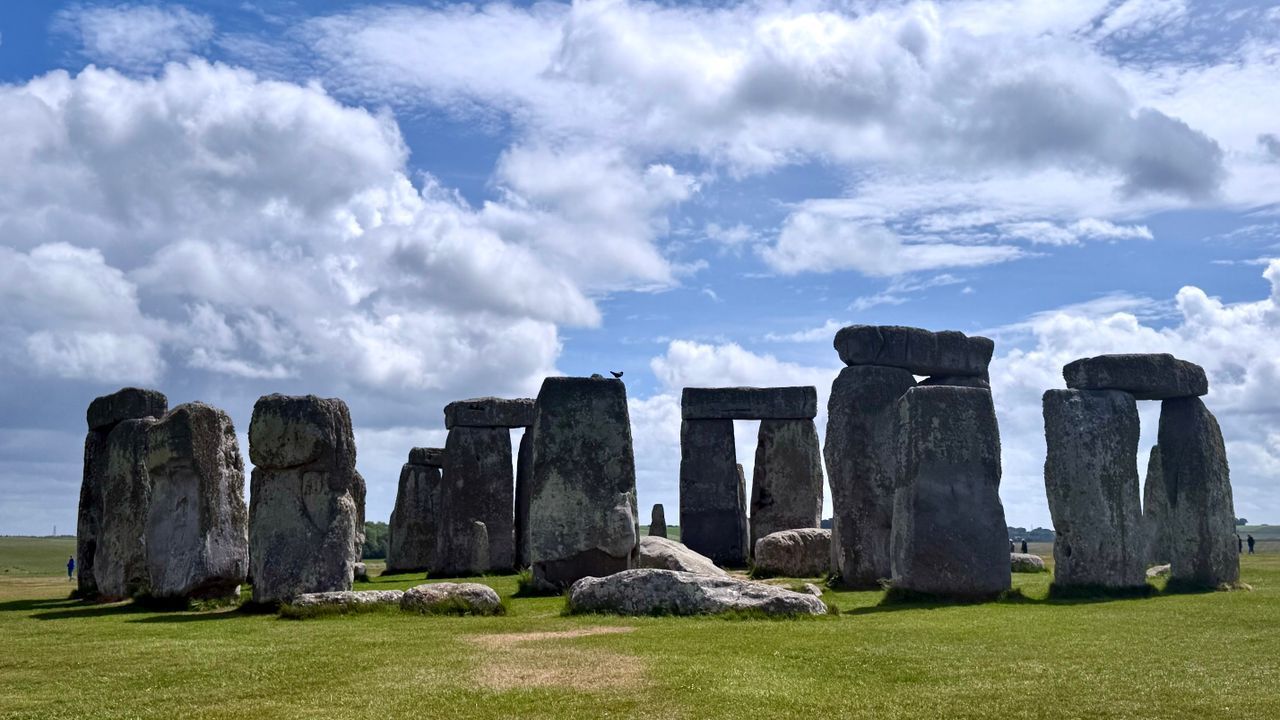
West Kennet Long Barrow: A Mysterious Journey Into Ancient Britain
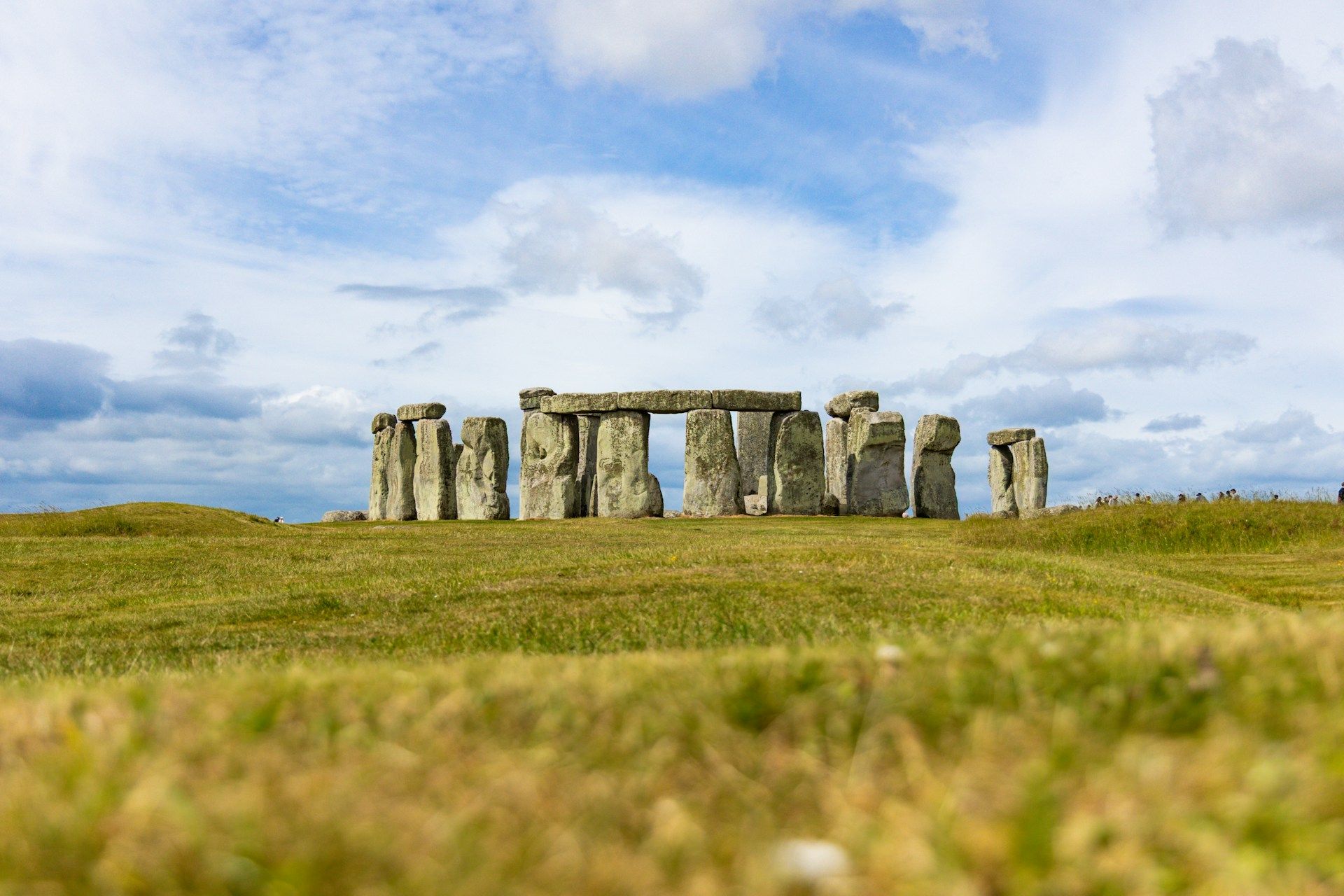
Stepping Inside One of England’s Oldest Tombs
Standing in front of West Kennet Long Barrow, it hits you just how old ancient Britain really is. Many visitors from the United States and Canada are used to calling a 300‑year‑old building “old.” Here on the chalk hills of Wiltshire, you step into a tomb that has been part of the landscape for more than 5,600 years, long before the first stones were raised at Stonehenge or the great pyramids rose in Egypt.
West Kennet Long Barrow is a chambered long barrow, a long, low earthen mound that hides a series of stone burial chambers inside. You can still walk along its central passage and into the side chambers today. For our guests on ancient Britain tours, it is often one of the most powerful stops, especially when combined with nearby Avebury, Silbury Hill, and Stonehenge, all within the same World Heritage area. This is a quiet, windswept place in open countryside, ideal if you want something deeper and more reflective than the usual headline-attractions.
What West Kennet Long Barrow Actually Is
At first glance, West Kennet looks like a low, grass‑covered ridge stretching across the hilltop. Get closer and you find a dramatic façade of upright stones at one end, with a narrow entrance leading straight into the heart of the mound.
In simple terms, it is:
- A long earthen mound, roughly the length of a football field
- Built over a stone passage and multiple side chambers
- Made from huge sarsen stones, then covered with chalk and soil
This kind of monument is known as a chambered long barrow, an early Neolithic communal tomb. It was built around 3650 BC, making it over 5,600 years old. That puts it centuries earlier than the main stone circle at Stonehenge and earlier than the classic pyramids you see in Egypt guidebooks.
The remarkable part for visitors is access. You can still walk into the main passage and stand in several of the original chambers. Many ancient Britain tours talk about burial mounds from a distance. At West Kennet, you actually feel the cool air, see the stonework close up, and sense the weight of all those centuries around you.
Life, Death, and Ritual in a Neolithic Tomb
Archaeological excavations have revealed that West Kennet Long Barrow was not a simple one‑time burial. It was a place of repeated use and ceremony. Inside, archaeologists found the remains of around 46 to 50 people. Men, women, and children were all represented, along with pottery, beads, and stone tools.
These finds suggest a pattern of complex rituals:
- Bodies placed over many generations, not all at once
- Offerings such as pottery and personal objects added to the chambers
- Visits by the living to tend, rearrange, or honor the dead
For the farming communities of early Neolithic Britain, this would have been a focal point. There were no written records, but we can infer that people came here to connect with their ancestors, mark important moments in the seasonal year, or affirm their link to the land. This was not a hidden graveyard. It was part of community life.
At some point around 2000 BC, the story changed dramatically. The tomb was deliberately sealed, its entrance blocked by large stones. This was not the result of collapse or neglect. It looks like a conscious decision to close a chapter in the life of the community. Beliefs may have shifted, or new burial practices may have taken over. Standing in front of that blocked entrance today, you sense both continuity and change, which gives modern visitors a powerful way to think about how cultures evolve.
West Kennet in the Stonehenge and Avebury Landscape
West Kennet Long Barrow does not stand alone. It forms part of the Stonehenge, Avebury, and Associated Sites World Heritage landscape, one of the richest prehistoric areas anywhere in Europe. For us, this is what makes ancient Britain tours in this region so rewarding: each site adds a layer to the bigger story.
From the entrance of the barrow, you look across the fields and see Silbury Hill, a huge artificial mound that dominates the valley. It is the largest prehistoric man‑made mound in Europe and sits only a short distance away. Just beyond lies Avebury, with its wide stone circle encircling part of the village, earthworks, and stone avenues stretching out into the countryside.
Seen together, this cluster includes:
- Long barrows like West Kennet
- Massive earth mounds such as Silbury Hill
- Stone circles and avenues at Avebury
- The wider ceremonial landscape linking these monuments
Compared with Stonehenge, Avebury and West Kennet often feel more open and less crowded. Many of our guests tell us they appreciate being able to wander among stones, explore the barrow interior, and pause for photos or quiet reflection without feeling rushed. Visiting both areas in one or two days gives a fuller sense of how prehistoric communities shaped entire landscapes, not just single monuments.
How to Visit West Kennet Long Barrow
West Kennet sits in the countryside near the village of Avebury in Wiltshire, roughly a 2 to 2.5 hour drive from central London, depending on traffic. Most visitors approach from the A4 road, where there is a small lay‑by used for parking. From there, you follow a farm track up a moderate hill until the long barrow comes into view on the ridge.
It is worth keeping a few practical points in mind:
- Terrain: expect uneven paths, grass, and chalk underfoot
- Footwear: wear sturdy walking shoes or light hiking boots
- Weather: the hilltop is exposed and can be windy in any season
- Gear: pack layers, a light waterproof, and water, even on bright days
Inside the barrow, the stone passage is low and can feel cool and dim, even in summer. We encourage visitors to move slowly, give their eyes time to adjust, and use phone lights sparingly so everyone can enjoy the atmosphere. It can be challenging for travelers with limited mobility, so it helps to discuss any concerns before you set out as part of your planning.
Respect for the site and surrounding farmland is important. Please:
- Avoid climbing on the mound or the entrance stones
- Keep voices low inside the chambers
- Watch for other visitors who may be photographing or reflecting quietly
- Take all litter away with you
Early morning and late afternoon are especially rewarding, with softer light over the fields and fewer people on the path. On private ancient Britain tours, it is often possible to time your visit to catch sunrise or sunset, which adds a memorable glow to the experience.
Planning Your Own Journey Into Ancient Britain
If you are planning a first trip to Britain from North America, Stonehenge often sits at the top of the wish list. We encourage guests to think a little wider and include West Kennet Long Barrow and Avebury in their plans. This is where ancient Britain feels tangible and close, not just something you view from behind a fence.
West Kennet stands out because of:
- Its extraordinary age, reaching back more than 5,600 years
- The rare chance to walk inside an original Neolithic tomb
- Its setting among Silbury Hill, Avebury, and other prehistoric monuments
- The easy reach from London, Bath, and other southern England bases
At Heritage & Stone Tours, we specialize in private, experience‑led day trips across southern England and Wales, often building custom days that weave West Kennet Long Barrow together with Avebury, Silbury Hill, and Stonehenge. For couples, small groups, and families from the US and Canada, this kind of flexible, guided visit offers time to ask questions, set your own pace, and step far beyond the standard checklist. If ancient Britain tours are on your mind, West Kennet is one of the places that truly brings that ancient world to life.
Step Into Britain’s Ancient Past With a Guided Tour Today
If you are ready to walk in the footsteps of Neolithic builders and Iron Age communities, our
ancient Britain tours are designed to bring that past vividly to life. At Heritage & Stone Tours, we handle every detail so you can focus on experiencing the landscape, stories, and archaeology up close. Reach out to our team with any questions or special requests, or to start planning your visit, by using our
contact page.
In This Article
Plan Your Day Trip
Tell us what interests you and we'll design the perfect itinerary for your group.
Share
More from the Journal