English Heritage at Housesteads Fort: What Travelers Should Know
Walking the Roman Wall: Why Housesteads Matters Now
Hadrian’s Wall is one of those places that makes ancient history feel very close, especially when you stand on a windswept ridge and see the stone line running away into the distance. Housesteads Roman Fort sits right on that ridge in Northumberland, looking out across hills and farmland that once marked the northern edge of the Roman Empire. For travelers from the United States and Canada, it is one of the most vivid places to understand what Roman Britain really looked and felt like.
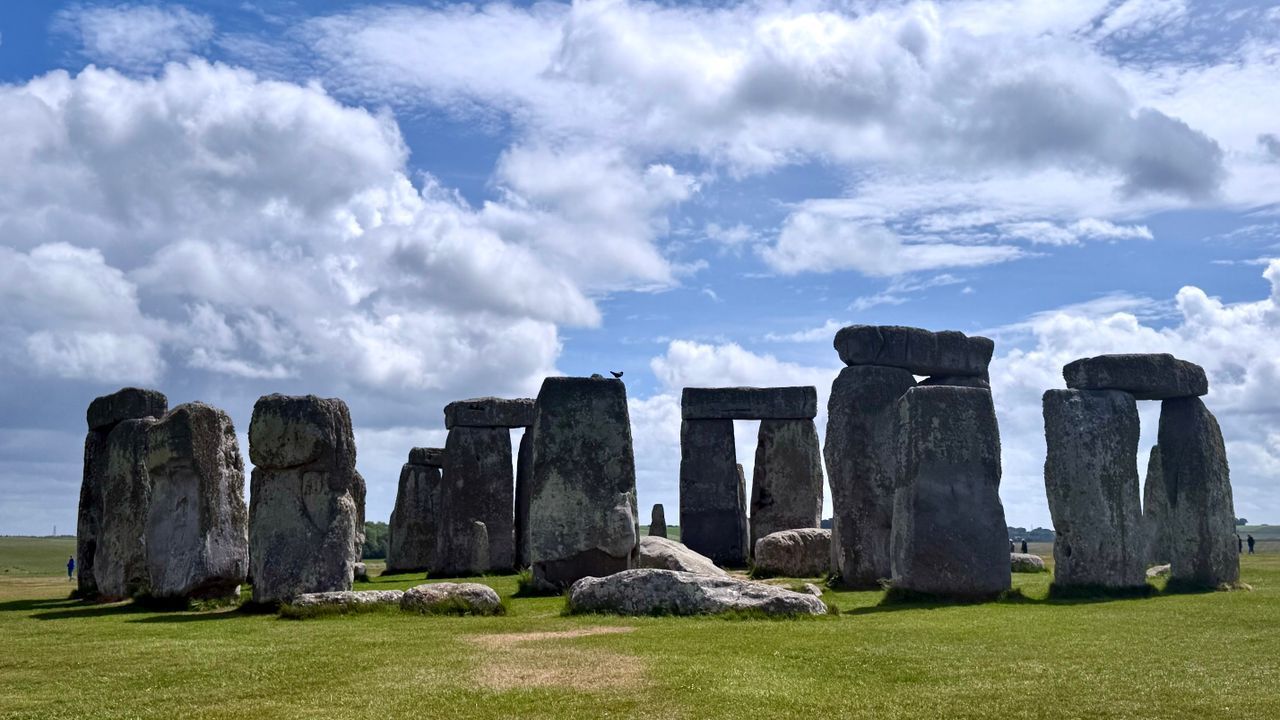
Housesteads has a new chapter these days, with English Heritage now handling day-to-day management of the fort. That means updated visitor experiences, ongoing conservation work, and some changes to how you plan your visit and buy tickets. At Heritage & Stone Tours, we guide guests across Southern England and Wales at places like Stonehenge, Bath, and Avebury, and we often help visitors fit Housesteads into longer ancient Britain tours, even when they drive themselves, or use trains to reach the Roman Wall.
Housesteads Roman Fort at a Glance
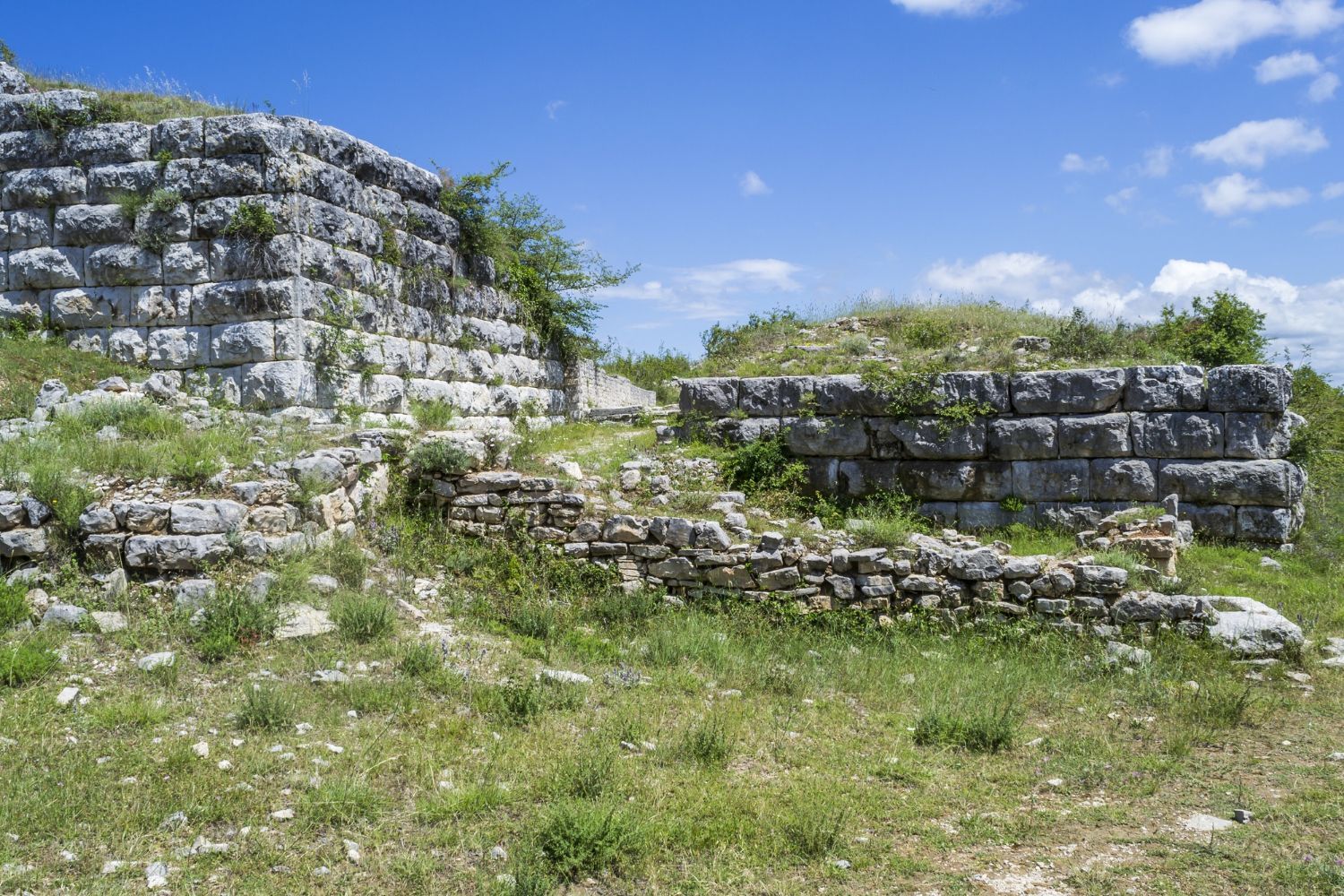
Housesteads is one of the best preserved forts on Hadrian’s Wall, and part of its impact comes from the setting. The fort sits high on a ridge, with big skies and long views across the frontier landscape. From the ruins, you can see the Wall running along the crest, climbing and dipping with the hills, which makes it easier to picture this as a defended border, not just a line on a map.
On-site, you can still walk through clearly defined building remains, including:
- The headquarters building, where officers worked and important documents were stored
- Long barrack blocks where soldiers slept, ate, and relaxed off duty
- Stone granaries where food supplies were kept dry and safe
- A remarkably well-preserved latrine block that shows how Roman sanitation worked
This fort was one of a chain of garrisons along Hadrian’s Wall, housing troops who monitored movement, checked travelers and traders, and responded to any trouble on the frontier. Daily life here mixed routine patrols and guard duty with maintenance work, drills, and the small comforts of a distant posting like cooking, gambling, and writing letters home.
Visitors today usually spend time:
- Wandering through the main streets and rooms of the fort
- Following a stretch of Hadrian’s Wall itself from the fort ramparts
- Looking out across the valley to understand why the Romans chose this spot
- Reading interpretation panels that explain building layouts and key finds
A knowledgeable guide, whether local to the Wall or part of a broader ancient Britain trip, can help you notice details like carved inscriptions, drainage systems, and stone thresholds that show how the fort really functioned. Those details give the ruins context, turning low walls into a busy, lived-in community in your mind.
What English Heritage Management Means for Visitors
With English Heritage running Housesteads, visitors can expect a more consistent experience with other major historic sites in England. That usually includes updated ticketing options, membership benefits that apply across multiple sites, and interpretation that is designed to be clear and family-friendly. If you already know other English Heritage properties, Housesteads may feel more familiar in terms of signage and visitor information.
The shift in management is also likely to support long-term conservation and site presentation. Over time, you can generally expect:
- Better maintained pathways and viewing areas
- Clearer signs that help you understand each part of the fort
- Interpretation that links the fort to the wider story of Hadrian’s Wall
- Improved coordination with the nearby museum collection that displays objects from the site
For travelers from North America planning a longer trip, it helps to think of Housesteads as a half-day visit at minimum, especially if you want time to walk a bit of the Wall and enjoy the views. Many people combine it with other Wall stops, such as additional milecastles or museums on the same day. While we focus our guiding on Southern England and Wales, we often help guests sketch out how Housesteads and other Wall sites can fit into their schedule, so that their time in the north connects naturally with the ancient places they see with us in the south.
Connecting Housesteads to Wider Ancient Britain Tours
Housesteads is only one piece of the story of ancient Britain. The Roman frontier in Northumberland links directly to earlier and later sites far to the south, where we guide most frequently. When you stand on Hadrian’s Wall, it is easy to think back to pre-Roman communities at places like Stonehenge and Avebury, and forward to the Roman urban life of towns such as Bath.
In our tours across Southern England and Wales, we often help guests trace that longer timeline, for example:
- Prehistoric stone circles and avenues on the Wiltshire Downs
- Iron Age hillforts that predate the Roman conquest
- Roman spa culture in Bath, with its temple and bathing complex
- Later medieval cathedrals and market towns that grew above older sites
For travelers planning their own time in northern England, a helpful approach is to treat Housesteads as a centerpiece in a separate northern leg of the trip, then let us build a complementary southern route focused on ancient sites and landscapes. A typical theme might be a Roman and prehistoric circuit in the south, such as:
- Bath, with its Roman baths and Georgian architecture
- A major Roman town site in the south, for a feel of city life in Roman Britain
- Stonehenge, to explore ritual landscapes that long predate Rome
- Avebury, with its large stone circle, earthworks, and nearby prehistoric monuments
This pairs well with a self-drive or rail visit north to Hadrian’s Wall, so your entire vacation becomes one long story of Britain from stone circles to Roman forts and later historic centers.
Planning Your Route From Southern England to the Roman Frontier
Most visitors from the United States and Canada land in London, then decide how far they want to travel. Housesteads is quite a distance from the capital, which is one reason many people split their time between a southern base and a shorter northern stay. You might spend several days seeing Stonehenge, Bath, Salisbury, Avebury, and the Cotswolds with us, then head north on your own for Hadrian’s Wall.
When you are planning your route, it helps to think about:
- How comfortable you are with driving in the UK, including rural roads
- Whether you prefer a train to a city in the north, then a rental car from there
- How many nights you want in each region, so you are not rushing between sites
- Which sites matter most to you if you are interested in ancient history
Our tours are private and tailor-made across England and Wales, with driver-guides who focus on historic and scenic sites in the south and west. Some guests ask about extended private transportation that links the south with longer trips that include Scotland. While our guiding is centered on England and Wales, we can often help you understand how those longer routes fit together and how to connect them with our southern itineraries.
Make the Most of Housesteads with Expert Support
For many travelers, the best balance is to visit Housesteads and Hadrian’s Wall independently, then combine that with professionally guided days in Southern England. Time with a guide at places like Stonehenge, Avebury, Bath, and the Cotswolds can give you the background knowledge and context that you then bring with you to the Roman Wall. That way, when you step into the wind at Housesteads, you already have a sense of who the Roman soldiers were, who lived in Britain before them, and what changed after they left.
At Heritage & Stone Tours, we specialize in ancient sites and landscapes across Southern England and Wales, and we design itineraries that help visitors weave Housesteads into wider ancient Britain tours, even if we are not physically guiding you at the Wall itself. With thoughtful planning, it becomes surprisingly easy to move from modern London to the world of Roman soldiers, Celtic communities, and medieval pilgrims, all within a single trip that feels coherent, relaxed, and deeply memorable.
Step Into Britain’s Ancient Past With a Guided Journey
Let Heritage & Stone Tours lead you beyond the guidebooks with our curated
ancient Britain tours that bring stone circles, burial mounds, and sacred landscapes to life. We design each small-group experience to combine expert insight with time to explore and reflect at your own pace. If you are ready to plan your ideal itinerary or have questions about customizing a tour,
contact us and we will help you shape an unforgettable journey into Britain’s prehistoric world.
In This Article
Plan Your Day Trip
Tell us what interests you and we'll design the perfect itinerary for your group.
Share
More from the Journal