Discovering the Heritage of Cotswold Wool
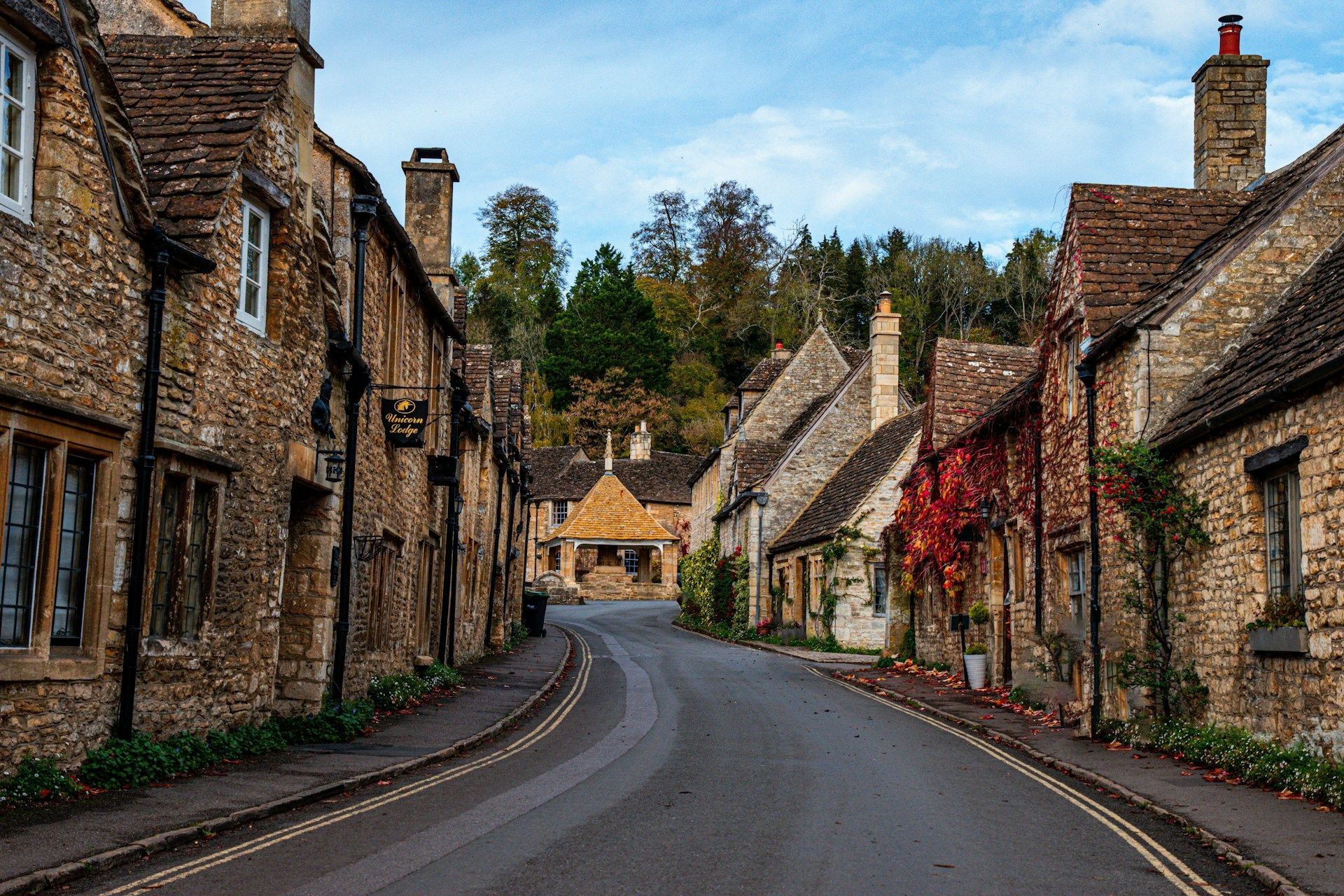
Walking Into a Landscape Woven From Wool
The Cotswolds can feel surprisingly close to home for North American travelers. In just a few hours from London, you step into green rolling hills, honey-colored stone villages, and long views of grazing sheep that look straight out of a storybook. Yet this peaceful countryside was once the hard-working engine of one of England’s most valuable trades.
The Cotswolds are famous for their rolling hills, honey-colored villages, and rich agricultural history. At the heart of that history is Cotswold wool, once known as one of England’s finest natural products. When we guide Cotswolds private tours, we focus not only on pretty streets and tearooms, but on the wool that paid for so much of what visitors admire today.
Much of what makes the region so distinctive grew from the success of the medieval wool trade, especially the Cotswold sheep with their long, lustrous fleece. With Heritage & Stone Tours, our aim is to connect you to that living wool heritage. We walk churchyards that were funded by fleece, visit farms that still shape the hills, and meet the people who keep this story alive.
How Cotswold Wool Built Golden Villages and “Wool Churches”
For centuries, the prosperity of the Cotswolds was built on sheep farming. The long, strong fleece of the Cotswold sheep was highly valued for its quality and durability, which made it a sought-after export across Europe. Merchants grew wealthy, markets expanded, and small farming communities blossomed into handsome stone towns.
That wool wealth did not just stay in ledgers. It was poured into the local landscape in ways you can still see:
Tall “wool churches” with elaborate towers that seem outsized for rural villages
- • Manor houses set back behind gates and driveways, built from the same warm stone as the fields around them
- • Market squares where fleeces once piled high on market days
On a private tour, we often pause at details that visitors might otherwise miss. In many churchyards, you can find:
- Carved sheep in stonework, tucked into corners of porches or rooflines
- Brasses and memorials to wool merchants who funded extensions and stained glass
- Old tithe barns and market buildings where wool would have been stored and weighed
Walking through a market town, it is easy to forget that those graceful houses beside the square were once the homes and counting rooms of traders whose fortunes depended on flocks. When we guide Cotswolds private tours, we thread that story through the villages you visit, so the golden streets feel less like a backdrop and more like the result of centuries of work, trade, and skill.
Meeting the Cotswold Sheep and the Farmers Who Shape the Land
At the heart of this story is the Cotswold sheep itself, one of Britain’s oldest breeds. It is known for its long, lustrous fleece that falls in curls and for a distinctive, somewhat shaggy look, with wool that gives a natural shine to finished textiles. For a time, industrial changes and a shift toward faster-growing breeds nearly pushed traditional Cotswold sheep to the edge of disappearance, but conservation-minded farmers and breeders have worked to keep them grazing these hills.
The day-to-day rhythm of sheep farming still sets the pace of life in the countryside:
- Lambing season, when fields fill with unsteady new arrivals
- Spring and early summer shearing, when fleeces come off and bags of raw wool begin their journey
- Year-round grazing, which keeps hillsides open and creates the classic patchwork of grass, hedges, and drystone walls
Those open pastures and neatly grazed slopes are not just picturesque. They are a direct result of centuries of managed grazing. When visitors talk about the “Cotswold look,” they are often admiring a landscape shaped by generations of shepherds.
On a Cotswolds private tour, we can arrange time with the people who still do this work. Depending on the season and availability, that might include:
- Visits to working farms to see flocks out in the fields
- Watching shearing in progress, when timing and skill matter for both sheep and shearer
- Guided walks that include conversations with farmers or shepherds about how they care for land and animals
Meeting the breed up close, seeing the ringlets of fleece, and hearing directly from those who maintain these hills gives you a much richer sense of what the Cotswolds really is.
From Fleece to Fabric: Experiencing Wool Crafts Firsthand
Cotswold wool does not become a blanket or sweater by magic. There is a whole chain of traditional skills that turn raw fleece into finished products, and it is surprisingly satisfying to follow that path.
In simple terms, the journey looks like this:
- Washing, to remove lanolin and field dirt from the fleece
- Carding, where fibers are brushed so they all lie roughly in the same direction
- Spinning, where those fibers are twisted into yarn, either by hand or on a machine
- Weaving or knitting, where yarn becomes cloth, blankets, rugs, or garments
Today, craftspeople, knitters, weavers, and textile artists in the Cotswolds still value Cotswold wool for its distinctive texture and strength. It is especially well suited to:
- Blankets and throws that feel substantial yet soft
- Rugs and cushion covers that hold up well to use
- Yarn for knitting and crochet, prized for character and durability
On our Cotswolds private tours, we can include visits to local artisans, mills, and studios where you can see these processes up close. In some places, you may:
- Watch a hand-spinner turning fleece into yarn on a traditional wheel
- Walk past looms set up with Cotswold wool warps in deep natural shades
- Explore independent wool shops stocked with locally produced skeins, blankets, and handmade goods
For travelers who enjoy hands-on experiences, it is often possible to arrange simple taster sessions. Trying your hand at spinning or weaving, even for a short time, gives you a new respect for the skill behind every finished piece.
Sustainable Style and Shopping with Intention
Cotswold wool is not just part of history. It also connects strongly with values that many travelers hold today, from sustainable materials to slow fashion and support for small-scale farming.
Choosing locally produced wool products helps:
- Support traditional, often regenerative, sheep farming in rural England
- Preserve one of Britain’s oldest sheep breeds by keeping it economically relevant
- Maintain skills that might otherwise fade, such as small-scale spinning and weaving
Many visitors from the United States and Canada like to bring home wool items, both as gifts and as a way to carry the Cotswolds into everyday life. A few practical tips can make that easier:
- Look for labels that clearly state the fiber content, origin, and care instructions
- Choose classic colors and patterns that will work with different outfits or home styles
- Pack heavier items like blankets at the bottom of your suitcase or in a carry-on if space allows
- Keep receipts handy in case you are asked about purchases at customs
On Cotswolds private tours, we can help you focus on shops and makers who work with local wool and who can tell you exactly where their fiber comes from. That personal connection turns a simple purchase into a story you can share every time you wear or use it.
Weaving Wool Heritage Into Your Cotswolds Journey
The story of Cotswold wool is more than just the story of a fiber. It is the story of a region, its people, and a heritage that continues to thrive in the modern world. When you walk through a church paid for by wool merchants, stand by a drystone wall that holds back a sheep pasture, or wrap up in a locally woven blanket, you are touching different parts of the same long thread.
If you are planning time in England, it is worth going beyond a quick photo stop in a famous village. With Heritage & Stone Tours, we design Cotswolds private tours from London and nearby hubs that can bring together:
- Historic “wool churches” and market towns
- Visits to traditional sheep farms and pastures
- Studio doors and workshops where Cotswold wool is still worked by hand
We can match routes and timings to your pace, whether you prefer more time in the countryside, in historic streets, or in quiet workshops. A day in the Cotswolds can be all about storybook views, or it can be something more: a chance to understand how humble sheep created a landscape, a trade, and a culture that still shapes the hills you see today.
Plan Your Tailor-Made Cotswolds Escape Today
Let us design a day in the countryside that matches your pace, interests, and travel style with our bespoke
Cotswolds private tours. At Heritage & Stone Tours, we handle the details so you can relax and enjoy timeless villages, scenic back roads, and hidden local favorites. Share what you would like to see, and we will build an itinerary around you. Ready to start planning your trip into the heart of rural England? Simply
contact us and we will help you create your ideal Cotswolds day.
In This Article
Plan Your Day Trip
Tell us what interests you and we'll design the perfect itinerary for your group.
Share
More from the Journal