Winchester Cathedral: History, Beauty, and a Visitor’s Guide
Timeless Winchester: England’s Story in Stone
Winchester Cathedral is one of those places where English history feels close enough to touch. From the moment we step into the historic city and see the great west front rising above the streets, it is clear this is no ordinary church. Bells ring, the close is green and quiet, and the stonework ahead has witnessed over a thousand years of royal, religious, and everyday life.
In this guide, we will walk through why Winchester Cathedral matters, how to appreciate its architecture and stories, and how to visit in a relaxed, meaningful way. As specialists in heritage tours in England and Wales for North American travelers, we know many visitors want more than a quick photo stop. Winchester rewards those who slow down and let its history unfold.
From Saxon Royal City to Sacred Landmark
Long before London dominated national life, Winchester was at the center of power in early England. It was a key royal city in the Anglo-Saxon period, where kings ruled, prayed, and were buried. The first great church here was the Old Minster, standing beside the site of the present cathedral and serving as a focus for the early Christian community.
When the Normans conquered England, they saw Winchester as a place that needed a grand new symbol of authority. The Old Minster was eventually replaced by a vast Romanesque cathedral, with thick rounded pillars and heavy stone arches that spoke clearly of power and control. Over time, this early church evolved, rebuilt and reshaped to reflect changing tastes and priorities.
Across the centuries, the cathedral has seen:
- Royal ceremonies that confirmed the city’s importance
- Burials and memorials for kings, bishops, and nobles
- Tumult during the Reformation, when statues and altars were removed or damaged
- Strain in times such as the Civil War, when religious buildings often suffered
By the 19th century, parts of the building were at risk of collapse, and determined restoration work helped save it. When we walk inside today, we see a structure shaped by many generations, each leaving a different layer of meaning.
Gothic Grandeur and Hidden Details to Look For
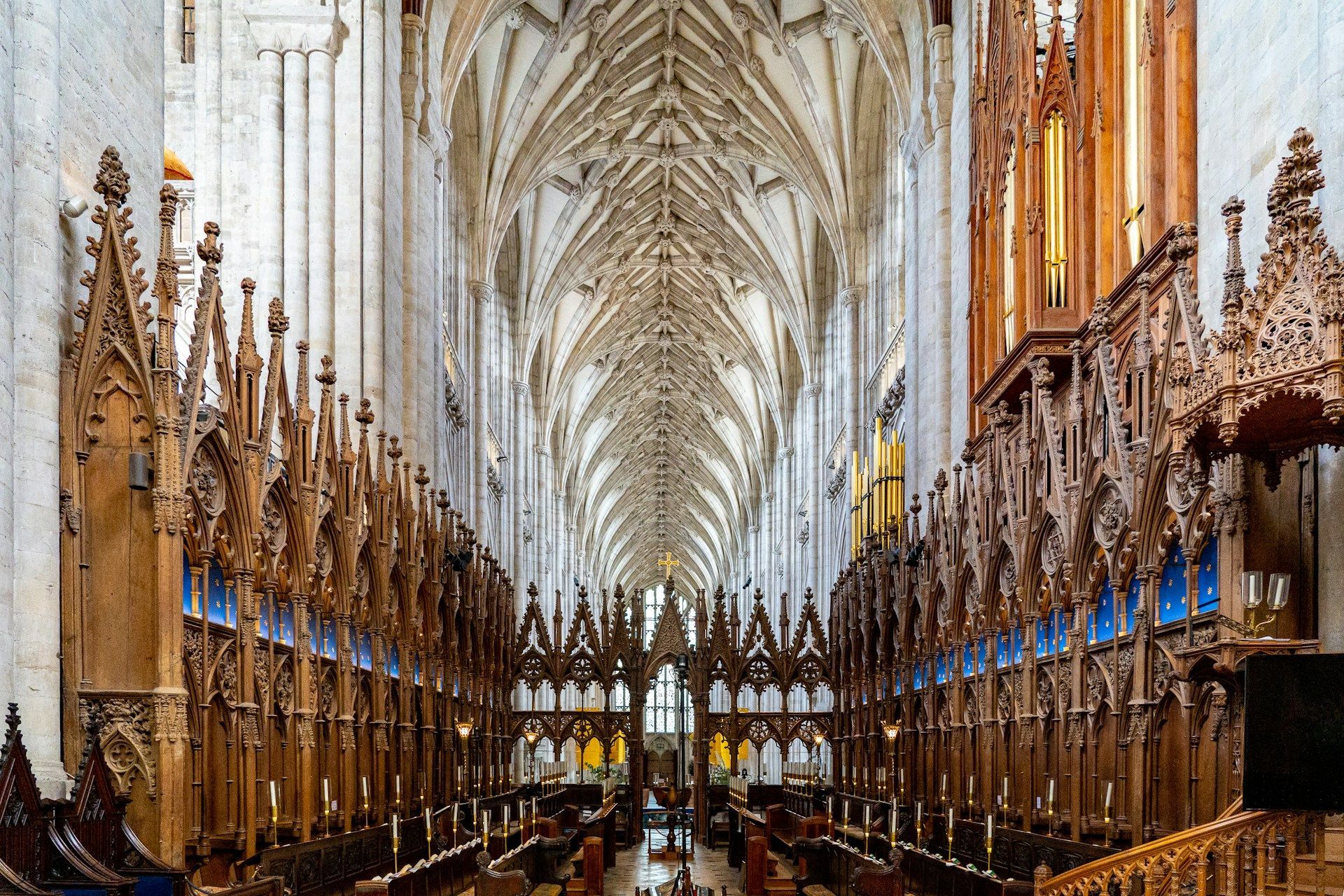
The first sight of the nave is often unforgettable. Even if we know it is one of the longest medieval churches in Europe, the sense of space and height can still surprise us. What makes Winchester especially interesting is that its graceful Gothic interior rests on older Romanesque foundations, sometimes described as a Romanesque building given a later Gothic skin.
Key features of the nave and vaulting include:
- Tall, slender stone piers that draw the eye upward
- Delicate fan vaulting typical of late English Gothic design
- Large windows that fill the interior with shifting light
- A clear line of sight that emphasizes the great length of the church
As we move further in, we find side chapels, chantries, and memorials that reward close attention. Several medieval bishops commissioned richly carved chantry chapels, where priests once said Mass for their souls. High above the choir, painted mortuary chests are traditionally linked with early English royalty, a poignant reminder of how much of the past rests quietly in these walls.
Artistic highlights that many visitors enjoy include:
- Surviving medieval floor tiles with intricate patterns
- The Great Screen behind the high altar, filled with sculpted figures
- Fragments of medieval stained glass repositioned in later windows
- Contemporary art, including a famous modern statue by Antony Gormley in the crypt
Taken together, these details show how the cathedral is both ancient and living, holding on to treasures from many periods.
Jane Austen, the Crypt, and Other Unmissable Spots
For many North American visitors, one name immediately comes to mind in Winchester: Jane Austen. The beloved novelist spent her final days in the city, and she is buried in the north aisle of the cathedral. Her grave is marked by a modest slab that originally said nothing about her writing, reflecting how she was seen primarily as a beloved family member at the time of her death.
Later memorials, including a brass plaque and a carved monument on the wall, acknowledge her literary achievement. Standing there, it is easy to reflect on how her quiet stories of English life became a global cultural touchstone.
Down below, the Norman crypt offers a very different mood, with thick stone pillars, low light, and regular flooding that leaves shallow water shimmering across the floor. Visitors often find it atmospheric, especially when the Gormley figure stands ankle-deep in water, creating an almost mirrored effect.
If visiting times allow, it is worth checking for:
- Access to the crypt, which is sometimes affected by water levels
- Bookable tower tours that offer views across the city and surrounding countryside
- Opportunities to hear the choir at Evensong or attend a service
The cathedral’s music is a strong part of its daily rhythm. Experiencing a choral service, even for a short time, can give a sense of how this space is still used for its original purpose.
Practical Visitor Tips and Exploring Winchester Beyond the Cathedral
Most visitors from the United States and Canada find that a relaxed half-day works well for Winchester Cathedral, especially when combined with a stroll through the city. Quieter times often come on weekday mornings or later afternoons, outside of major events and school holidays. Inside, many people like to spend at least an hour or two, especially if they join a guided tour.
Helpful practical points include:
- Entry tickets usually cover access to the nave, choir, and many chapels
- Regular guided tours add context and help highlight details that are easy to miss
- There are typically facilities such as restrooms and a small shop on site
- Some areas involve steps or uneven flooring, so it is worth checking current accessibility information
Getting to Winchester fits easily into wider heritage tours in England and Wales. From London, there are frequent trains and straightforward road routes. From Bath or Salisbury, Winchester sits comfortably within a day that might also include countryside views or another historic site in England or Wales.
Once outside the cathedral, the wider city offers plenty to fill the rest of the day. Within a short walk, we can find:
- The Great Hall, linked with the legend of King Arthur’s Round Table
- Medieval and Georgian streets with independent shops and traditional buildings
- The City Mill area and riverside paths along the River Itchen
A little farther on, gentle walks take us past Winchester College, one of the oldest schools in England, and the ruins of Wolvesey Castle, once a powerful bishop’s residence. For many guests, these quieter spots, along with a pause in a traditional pub or a tea room, give a welcome chance to reflect on everything they have seen in the cathedral.
How Heritage & Stone Tours Brings Winchester to Life
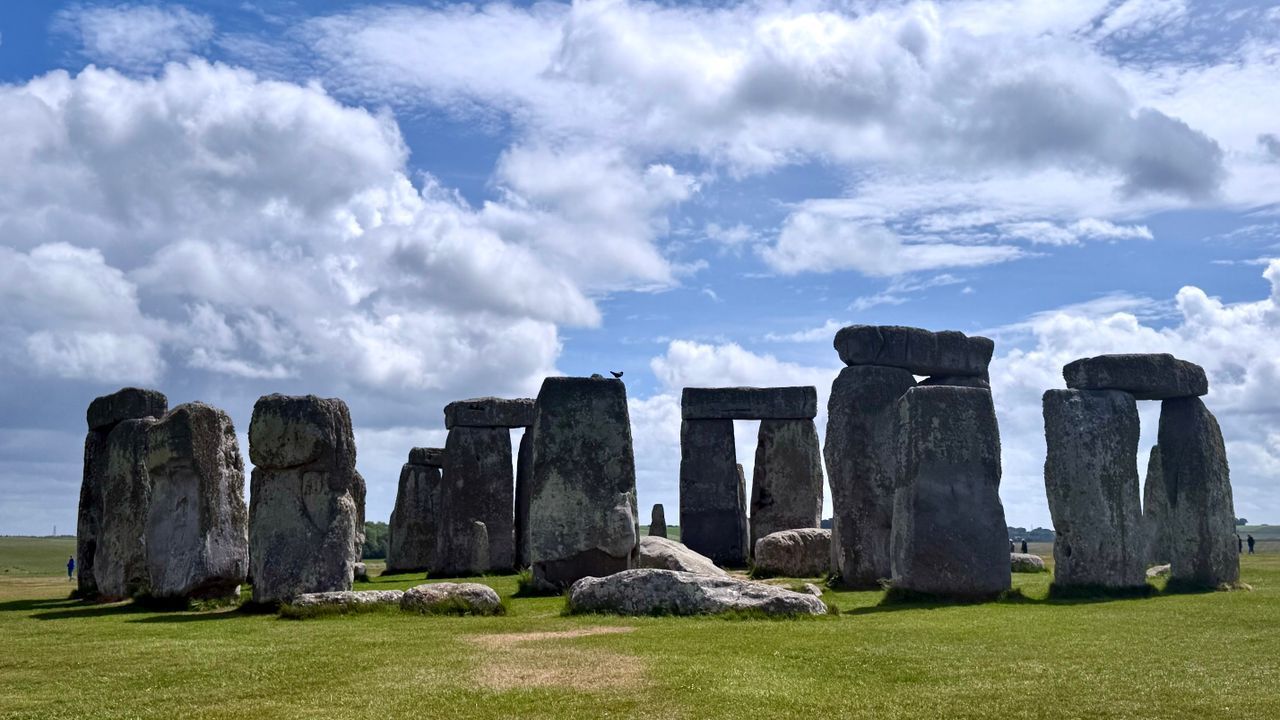
As a company based in this part of the country, we often include Winchester Cathedral in private, experience-led days that link it with other historic highlights. Some guests combine Winchester with Salisbury and Stonehenge, tracing English history from Saxon royalty to medieval bishops and back to prehistoric circles. Others prefer a day that pairs the cathedral with countryside villages or a stop in Bath.
For North American visitors, the benefits of a curated visit usually include:
- A driver-guide who handles directions, tickets, and timings
- Flexible pickup from places such as London, Salisbury, or Bath
- The chance to connect stories across sites, rather than treating each stop as separate
- A pace tailored to personal interests, whether that is architecture, literature, or quiet reflection
Winchester also fits naturally into longer heritage tours in England and Wales. Guests might start with cathedrals and prehistoric sites in the south, then continue to coastal landscapes, castles, and other medieval cities. In that wider context, Winchester Cathedral becomes one chapter in a larger story of how England grew from small kingdoms into the country we recognize today.
As we see it, the real pleasure of visiting Winchester Cathedral lies in shifting from simply seeing a famous building to experiencing it on its own terms. Taking time to notice the worn stone steps, to read the memorials, to pause at Jane Austen’s grave, or to sit quietly while the choir sings can turn a quick visit into something that stays in memory long after the trip has ended.
Discover England’s Stories With a Tailored Heritage Journey
Explore centuries of history with Heritage & Stone Tours as we craft a trip that brings castles, ancient sites, and hidden villages to life. Browse our curated
heritage tours in England to find an itinerary that matches your pace and interests. If you have questions or want help customizing your experience, simply
contact us and we will guide you through every step.
In This Article
Plan Your Day Trip
Tell us what interests you and we'll design the perfect itinerary for your group.
Share
More from the Journal