Tintern Abbey in Wales: a Peaceful Escape Into the Past
Stepping Into Storybook Wales at Tintern Abbey
Tintern Abbey sits in a curve of the River Wye, wrapped in green hills and quiet country roads, and it feels instantly different from the big-name stops most North American visitors know. The closer you get, the more the trees part and those soaring, roofless stone arches appear ahead of you, pale against the hillsides and open sky. It is one of those places where people often fall silent as they step out of the vehicle.
For travelers from the United States and Canada who love history, grand scenery, and gentler, less crowded corners of England and Wales, Tintern Abbey is a standout. It combines Gothic architecture, a peaceful riverside setting, and a story that stretches from medieval monks to romantic poets. As a small-group specialist running private tours in England and Wales, we often weave Tintern into wider days out that might also include Bath, the Cotswolds, or the ancient landscape of Wiltshire, giving visitors a richer sense of how these places connect.
From Monks to Romantics: The Story of Tintern Abbey
Tintern Abbey began as a Cistercian monastery, founded in the 12th century in what was then a relatively remote valley on the border between Wales and England. Cistercian monks preferred quiet locations where they could live simply, pray, and work the land. At Tintern, their days followed a strict rhythm of worship in the great church, study in the cloister, and manual labor in fields and workshops that supported the community.
Over time, the abbey became one of the most important religious houses in this part of Britain. Its position in the borderlands meant it was tied into the shifting politics between English and Welsh rulers, with the security of its lands and rights often affected by events beyond the valley. Still, within its walls, the monks kept to their regular pattern of prayer, hospitality for travelers, and service to the surrounding area.
Everything changed during the reign of Henry VIII, when monasteries across England and Wales were dissolved. Tintern’s community was disbanded, its valuable materials stripped, and the buildings left roofless to the weather. For generations, the site lay largely abandoned, its stonework slowly softened by moss, ivy, and the passing seasons.
Centuries later, artists and writers rediscovered Tintern Abbey. Romantic travelers came by boat along the Wye, sketching the ruins framed by trees and river. Poets, including William Wordsworth, wrote about the atmosphere of quiet reflection they found among the arches. The ruined abbey became a powerful symbol of nature reclaiming human structures, and of the way memories linger in old stones.
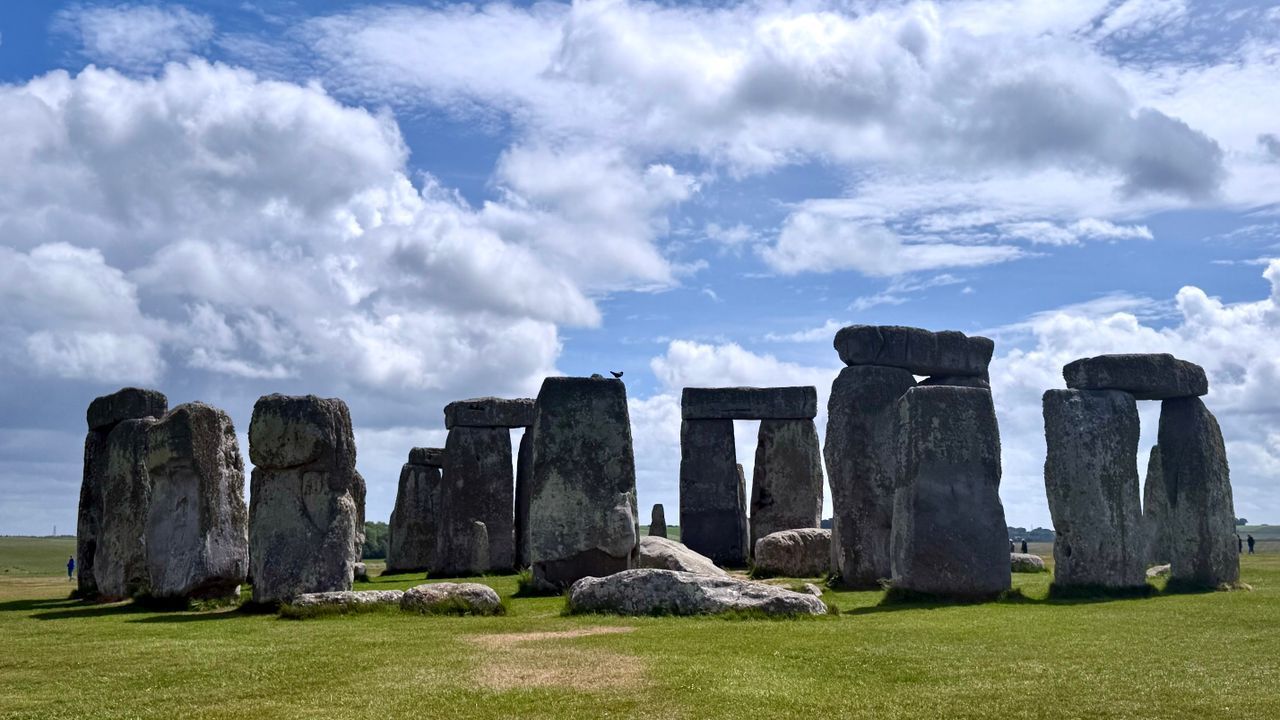
When we guide people through England and Wales, we often connect Tintern’s story with other key sites. At Stonehenge and Avebury, visitors see prehistoric alignments and ancient ritual landscapes. In Bath, they encounter Roman engineering and Georgian elegance. Tintern sits between these worlds, firmly medieval yet transformed by later generations who saw beauty in its ruins.
Exploring the Ruins: What Not to Miss on Site
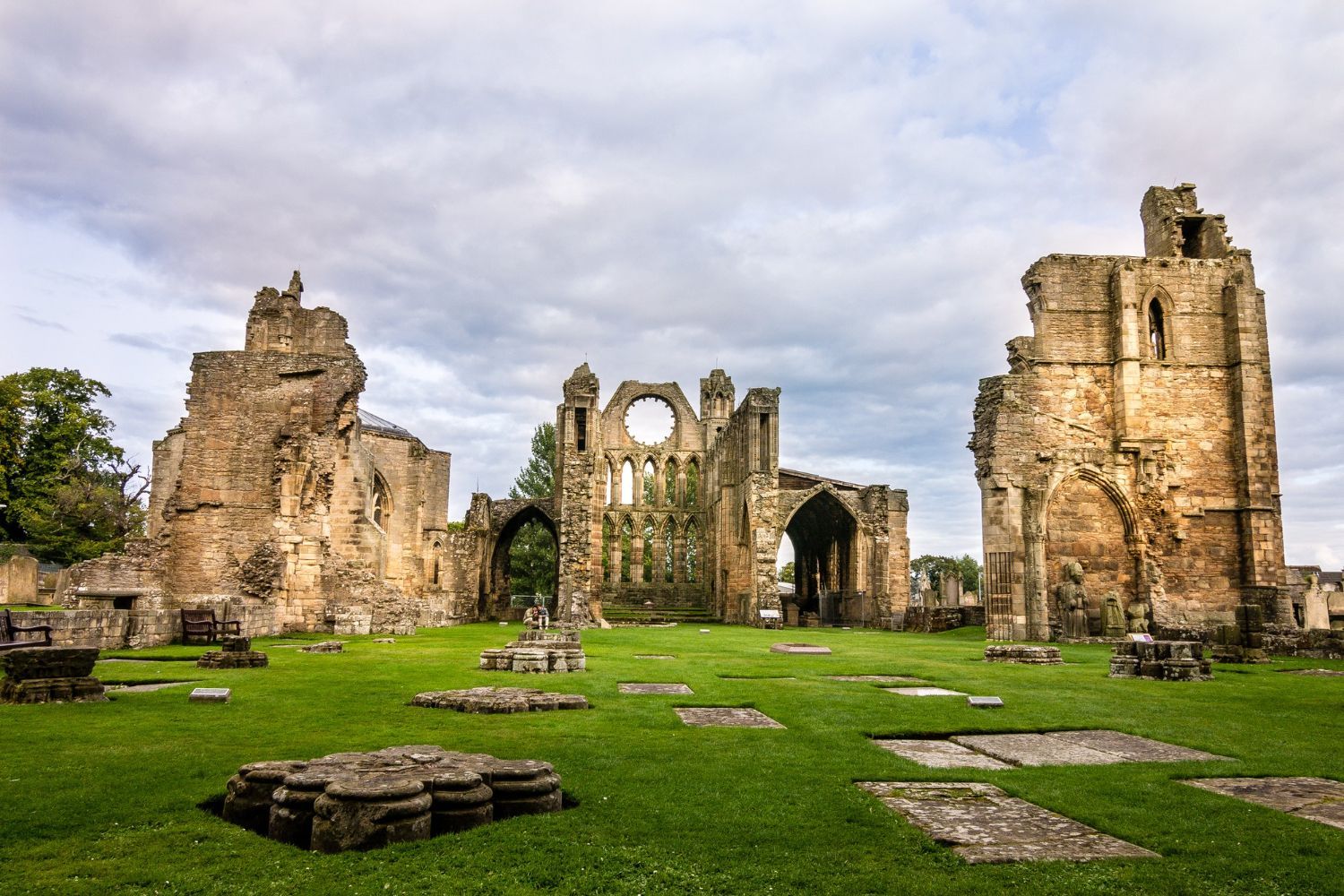
Walking into the main church at Tintern is usually the moment that takes people’s breath away. Tall, traceried windows rise above you, sky where the roof once was, and grass underfoot where stone floors used to lie. The long nave leads your eye straight ahead, while side aisles and arches hint at the scale of worship that once filled this space with chanting voices.
As you explore, it helps to know the key areas of the abbey:
- The great church nave, where the monks attended services and where the scale and height of the Gothic architecture really stand out
- The cloister, the open courtyard where monks walked, read, and moved between their daily duties
- The chapter house, where meetings and important decisions took place
- The surrounding domestic buildings, including areas used for working, eating, and sleeping
Light, stone, and open air combine in a way that is especially rewarding for photography and quiet moments. Many visitors enjoy spending a little time sitting on a low wall, simply looking up at the arches and listening to the sounds of the valley.
On site, you will usually find clear interpretive panels and suggested walking routes that explain what each part of the ruins once was. Seasonal events sometimes bring different layers of the story to life, whether through living history, music, or themed talks. Popular vantage points include:
- Corners of the nave where you can capture almost the full length of the church in a single frame
- Doorways framing views into the cloister or out toward the river
- Spots just outside the main entrance where the abbey is set against the wooded hills
A knowledgeable guide can turn a wander among ruins into an experience that feels close to time travel. We like to pause where the choir once stood and talk about daily monastic routines, or stand by the outer walls and explain how this quiet site once sat on a contested frontier. Stories of medieval pilgrims, border skirmishes, and curious Victorian tourists all add layers that are not obvious at first glance.
The Wye Valley Setting: Walks, Views, and Village Charm
Tintern Abbey is only part of the appeal here. The Wye Valley is designated an Area of Outstanding Natural Beauty, and when you arrive it is easy to see why. The river twists below wooded slopes, fields climb up toward ridgelines, and in season the trees glow in shades of fresh green or autumn gold.
If you enjoy gentle walking, there are several paths that reward a bit of effort with postcard views of the abbey and the river. Near Tintern, visitors often consider:
- A hillside walk to a viewpoint where the full sweep of the abbey sits framed by the valley
- A stretch of riverside path that gives low, reflective views of the ruins across the water
- The climb to a rocky lookout such as Devil’s Pulpit, if you are comfortable with a steeper trail
The village of Tintern itself has a relaxed, unhurried feel. Small cafes, traditional pubs, and little craft shops invite you to linger after exploring the ruins. Many travelers appreciate the chance to:
- Try local Welsh specialties or a slow pub lunch with river views
- Browse for handmade crafts or regional products as a quieter alternative to city shopping
- Simply sit with a cup of tea, watching the light change on the stone arches
For people used to full city itineraries, a few hours in Tintern often feels like a reset, a reminder that part of traveling in this corner of Britain can be about slowing down.
Planning Your Visit From London, Bath, or the Cotswolds
For most visitors from North America, Tintern Abbey fits naturally into a wider route through southern England and Wales. Many trips already include hubs such as London, Bath, or the Cotswolds, which all work as starting points for a day that reaches into rural Wales.
Typical patterns we see include:
- From London, combining a drive west with a stop in Bath, then continuing across the Severn bridge into the Wye Valley
- From Bath, heading north and west through countryside toward the Welsh border, pairing Roman and Georgian history in the city with medieval calm at Tintern
- From Cotswold villages, taking scenic back roads that show off English market towns before dropping into the valley
Public transport in this corner of Wales can be limited and connections slow, which is why many visitors prefer private, door-to-door transportation. Driving on narrow, winding roads and on the left side can feel stressful if you are not used to it, especially when you are trying to watch the scenery as well. With a private tour, you can relax in the passenger seat while your guide handles the roads, parking, and timing.
At Heritage & Stone Tours, we focus on private, full-day tours that link places like Tintern Abbey with other highlights of southern England and Wales. A day might combine Tintern with:
- Bath, contrasting Roman baths and Georgian crescents with monastic ruins on the Wye
- One or two Cotswold villages, mixing golden-stone cottages and country pubs with the wilder valley landscape
- Key prehistoric sites in Wiltshire, for visitors interested in tours that span from the Neolithic to the medieval and beyond
Experienced guiding, flexible pacing, and small-group comfort help keep the day relaxed rather than rushed, while leaving space for your own interests.
Make Tintern Abbey Part of Your Own British Story
Tintern Abbey rewards anyone willing to give it a little time. It is not just a quick photo stop on the way to somewhere else. When you pause, listen to the river, and look up at the open sky framed by Gothic stone, it becomes easier to feel how many different lives and eras have touched this valley.
For travelers from the United States and Canada who want more than just ticking famous names off a list, Tintern offers a quieter kind of richness. Linking it with places like Bath, the Cotswolds, or the historic sites of Wiltshire creates a trip that tells a fuller story of England and Wales, from ancient ritual landscapes to monastic devotion and romantic rediscovery.
Step Into Britain’s Ancient Story With a Guided Tour
Let Heritage & Stone Tours turn the legends and landscapes you have read about into places you can walk, see, and truly feel. Explore our carefully curated
ancient Britain tours to find the itinerary that fits your curiosity and schedule. If you have questions or need help choosing the right experience, simply
contact us and we will help you plan your journey into the prehistoric past.
In This Article
Plan Your Day Trip
Tell us what interests you and we'll design the perfect itinerary for your group.
Share
More from the Journal