The Roman Baths in Bath: History, Highlights, and Insider Tips
Step Back in Time at Bath’s Most Famous Hot Springs
A visit to the Roman Baths in Bath is one of the most atmospheric history experiences you can have in Southern England. Hot mineral springs bubble up from deep underground, steam rises into the air, and layers of Roman, medieval, and Georgian stories overlap all around you. If you are planning a Bath and Stonehenge tour, this ancient spa complex is a highlight that feels both intimate and unforgettable.
The Roman Baths sit at the heart of Bath’s honey-colored stone center, where natural hot water shaped the city’s identity for centuries. Today the site is carefully managed, right down to an unusual preseason ritual: completely draining and refilling the Great Bath to prepare for peak visitor months. As local driver-guides who spend a lot of time here with North American travelers, we know how a little background and a few insider tips can turn a good visit into a great one.
From Sacred Spring to Spa City
Long before the Romans arrived, the hot springs at Bath were a sacred place for the local Celtic people. They believed the warm, mineral-rich water had spiritual power, so they made offerings to the goddess of the spring and treated the site as holy ground. When the Romans took over, they adopted this local reverence and built something far more elaborate around it.
They named the town Aquae Sulis, a blend of their own water-focused culture and the Celtic goddess Sulis. Temples, bathhouses, and courtyards grew up around the Sacred Spring, turning the area into a religious center and a place to socialize, bathe, and relax. You can still trace this Roman layout as you walk through the complex, especially with a guide who can point out what once stood where.
After the Romans left, the site changed, partly decayed, and was rebuilt in different ways through the medieval period. By the Georgian era, when Bath was booming again as a fashionable spa city, wealthy visitors came to take the waters and stroll along grand terraces. The Roman remains lay hidden below street level, only rediscovered and carefully excavated in more recent times. Today, Bath is recognized as a UNESCO World Heritage city, with the Roman Baths at its historic core.
For first-time visitors, it can be hard to connect the underground ruins with the elegant streets above. A guided visit helps link the Baths, the Abbey, and the Georgian crescents into one clear story so you are not just looking at old stone; you are understanding how an entire city grew up around hot water.
Inside the Roman Baths: What Not to Miss
The Roman Baths complex is larger and more varied than many visitors expect. It is easy to spend a couple of hours here if you know where to focus your attention.
Key highlights to look for include:
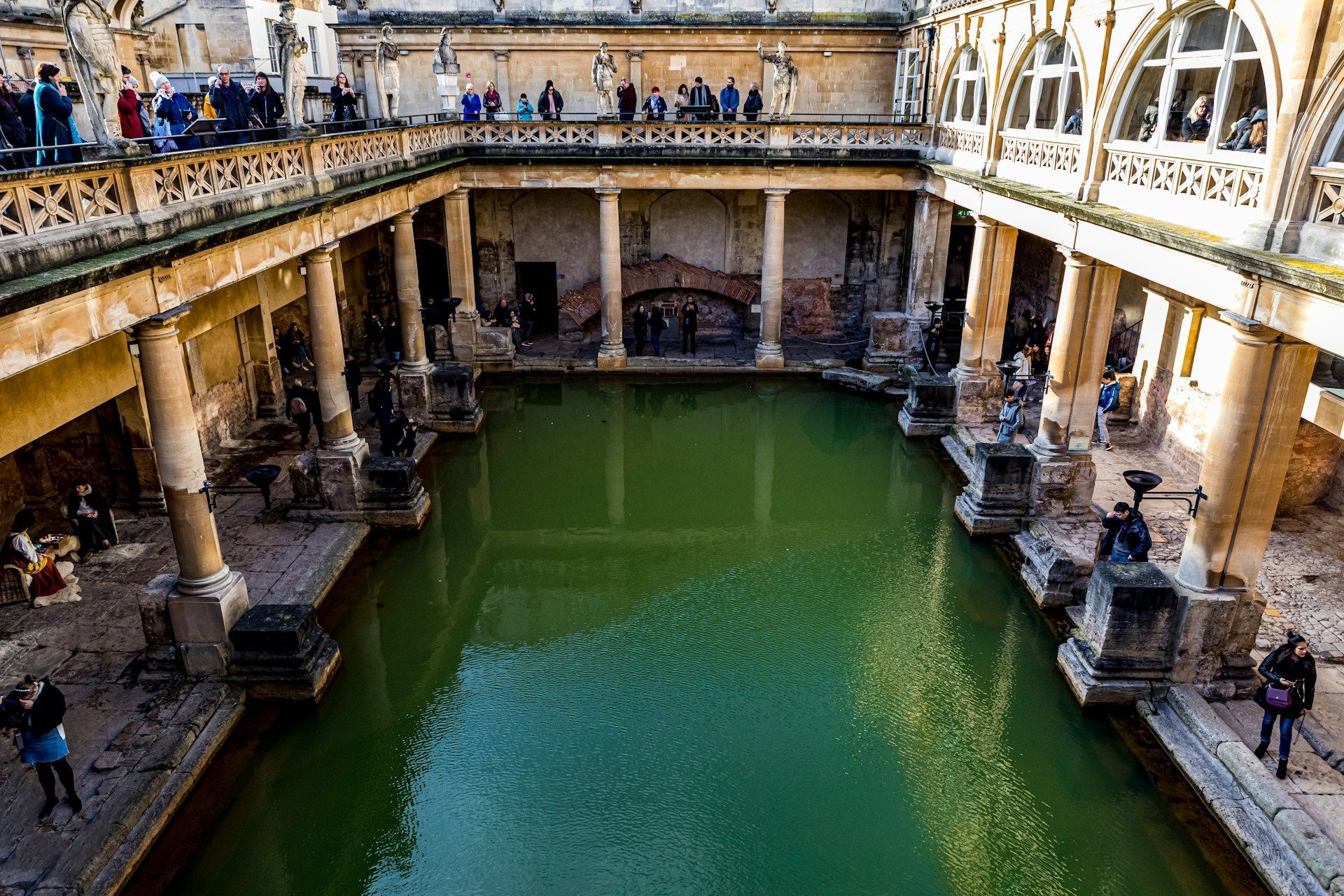
- The Great Bath, a large open-air pool framed by columns and overlooked by terraces
- The Sacred Spring, where steaming water still rises naturally from the ground
- The temple courtyard remains, which hint at the religious importance of the site
- The museum galleries, with artifacts that show how Romans lived and worshipped here
The Great Bath is often the showstopper. Although you cannot swim in it today, it is fascinating to see the original Roman lead lining, the drains, and the channels that carried water in and out. The green color comes from algae that form when hot water is exposed to sunlight. That is one reason the water is now off-limits for bathing and why the team must manage it so carefully.
In the museum, do not miss the gilt bronze head of Sulis Minerva, the local-Roman goddess who watched over the spring. The tiny inscribed curse tablets are another favorite, where people asked the goddess to punish thieves or settle scores. These details make the Roman Baths feel surprisingly close to modern life, with its worries, hopes, and small dramas.
Audio guides are included and very well done, with options in American English and versions tailored for children. They help you move at your own pace while still getting a structured story. As you walk, look for signs of the ongoing conservation work, including that regular drain-and-refill process that keeps the Great Bath safe and clear for photos.
The Big Clean: Draining and Refilling the Great Bath
One of the most unusual tasks at the Roman Baths happens out of sight of most visitors. Before peak season, the team completely drains and refills the Great Bath, a job that requires patience, care, and a lot of water management.
Why go to so much trouble?
- To keep the water clear and visually appealing for visitors
- To control algae and any build-up that forms on the stonework
- To inspect the structure, including centuries-old masonry and linings
- To get the site ready for the heavier foot traffic that comes with busy months
Once the old water is pumped out, staff can gently clean and check the exposed stone surfaces and fittings. Then they let fresh water from the natural hot spring refill the Bath over time. It is not a quick process, but it is a vital one, balancing what visitors want to see with the need to protect a fragile Roman structure.
If you are worried that your visit might be affected, it is worth knowing that this operation is planned very carefully. The draining is usually timed to cause as little disruption as possible, so most travelers see the Great Bath in its full, crystal-clear state, ready for photos and close-up viewing.
Planning Your Visit to the Roman Baths
A little planning can make your time at the Roman Baths much more comfortable and relaxed, especially if you are pairing it with Stonehenge in a single day.
When it comes to timing, consider:
- Early morning for fewer crowds and a calmer start to the day
- Mid-day if you prefer a slower morning, but be prepared for more people
- Late afternoon for softer light and a slightly more relaxed atmosphere
Tickets are timed, so advance booking is recommended, particularly in busy periods. Most visitors spend at least one to two hours inside. The site has several levels and some uneven surfaces, though there are accessible routes and staff on hand if you have mobility questions. Families tend to appreciate the children’s audio guide and activity elements, which keep younger travelers engaged.
To stay comfortable, we usually recommend:
- Comfortable shoes with good grip for stone floors and steps
- Layers of clothing, since English weather can change quickly
- A small bag or daypack for water, a light jacket, and any essentials
After your visit, you are just steps from Bath Abbey, traditional tea rooms, and the elegant Pump Room restaurant above the Baths. It is easy to turn a ticket to the Roman Baths into a relaxed half-day by adding a stroll along the nearby streets or a quiet coffee with a view of the Abbey.
Making the Most of a Bath and Stonehenge Tour
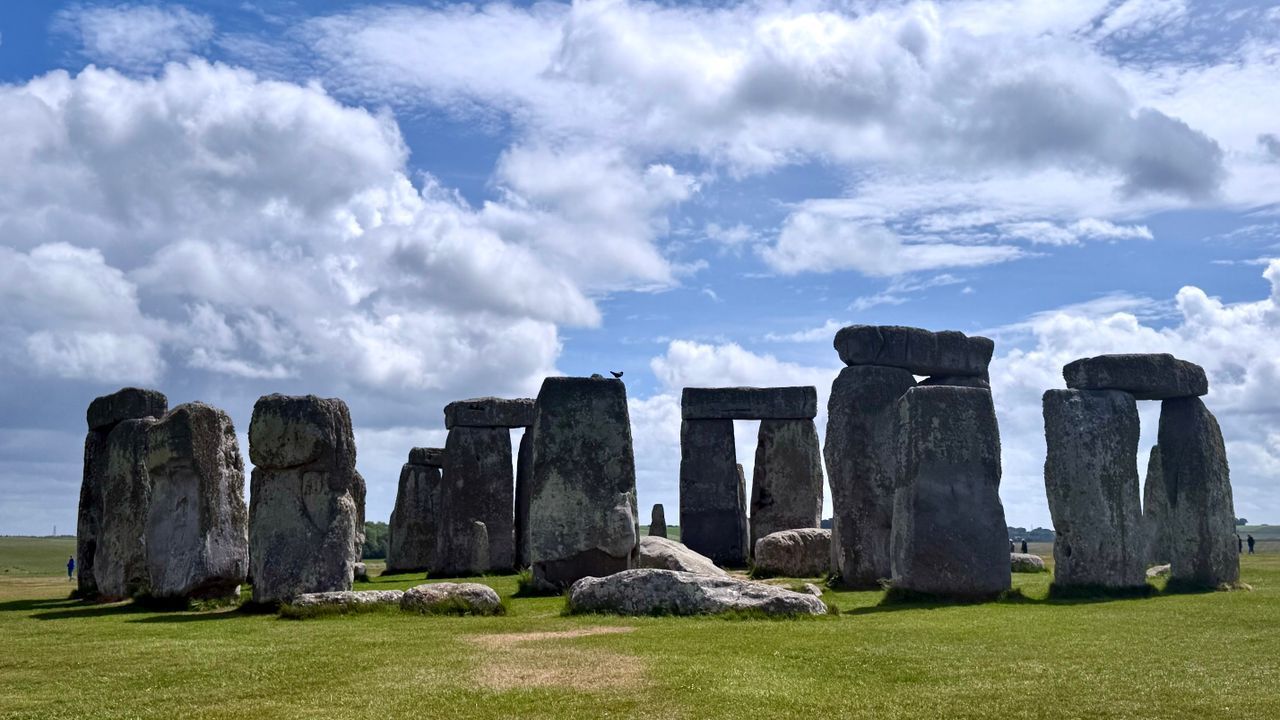
If you are planning a Bath and Stonehenge tour, you are pairing two very different but complementary sites. Stonehenge gives you a sense of prehistoric mystery and ancient ritual in the open landscape, while Bath shows how another culture, the Romans, shaped hot water and sacred places into a sophisticated city.
Many visitors from the United States and Canada appreciate the flexibility of a private tour, especially when dealing with jet lag and unfamiliar roads. With a dedicated driver-guide, you can:
- Start from London, Salisbury, Bath, or nearby areas
- Adjust your day around your pace and interests
- Spend enough time at both Stonehenge and the Roman Baths without feeling rushed
- Enjoy scenic countryside routes that you might miss on a large bus
A sample day might include a morning visit to Stonehenge, then a drive through rural Wiltshire into Bath for lunch, followed by your timed entry to the Roman Baths and some free time to explore the city streets. Throughout, your guide can help connect what you see at Stonehenge with the ritual use of water and sacred space at Bath, so the day feels like one continuous story rather than two unrelated stops.
Turning Your Roman Baths Visit Into an Unforgettable Day Out
The Roman Baths combine ancient engineering, sacred springs, and centuries of reinvention into one compact, walkable site in the heart of Bath. The careful upkeep, including that full draining and refilling of the Great Bath, keeps the complex safe, clear, and atmospheric for the many visitors who come each year.
With some advance planning, comfortable clothing, and a sense of curiosity, you can experience the Baths at their best, whether as a stand-alone visit or as part of a wider Bath and Stonehenge tour. For many travelers, it becomes one of the most vivid memories of a trip to Southern England, where hot water, stone arches, and stories from long ago all come together in a single, memorable day out.
Experience England’s Icons on a Seamless Day Trip
Discover the best of historic England as we handle every detail of your journey from ancient stones to elegant Georgian streets. Our curated
Bath and Stonehenge tour is designed to maximize your time without feeling rushed, so you can fully enjoy each landmark. At Heritage & Stone Tours, we tailor the experience to your interests and pace for a memorable, stress-free day. If you have questions or special requests before you book, simply
contact us so we can help you plan.
In This Article
Plan Your Day Trip
Tell us what interests you and we'll design the perfect itinerary for your group.
Share
More from the Journal