Salisbury Plain and Stonehenge: Secrets of an Ancient Landscape
Salisbury Plain and Stonehenge: Secrets of an Ancient Landscape
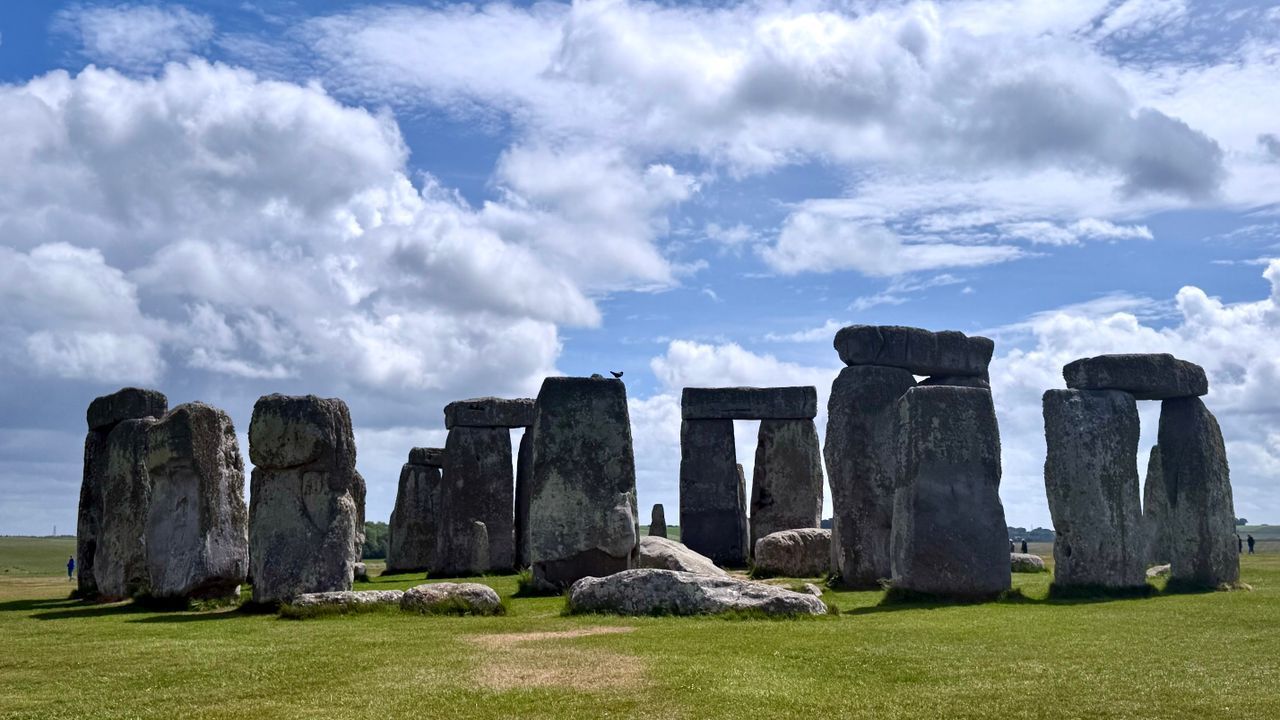
Salisbury Plain and Stonehenge belong together. When we talk with guests from the United States or Canada, many know Stonehenge from photos, but not the vast open country that surrounds it. Understanding the Plain helps Stonehenge make sense, turning a famous ring of stones into the center of a much larger prehistoric story.
In this article, we will explain what Salisbury Plain is, why it feels so empty, how it shaped Stonehenge, and what visitors can see today. If you are considering a Salisbury Stonehenge private tour, this guide will help you picture the area before you step into it in person.
Discovering Salisbury Plain, England’s Mysterious Open Space
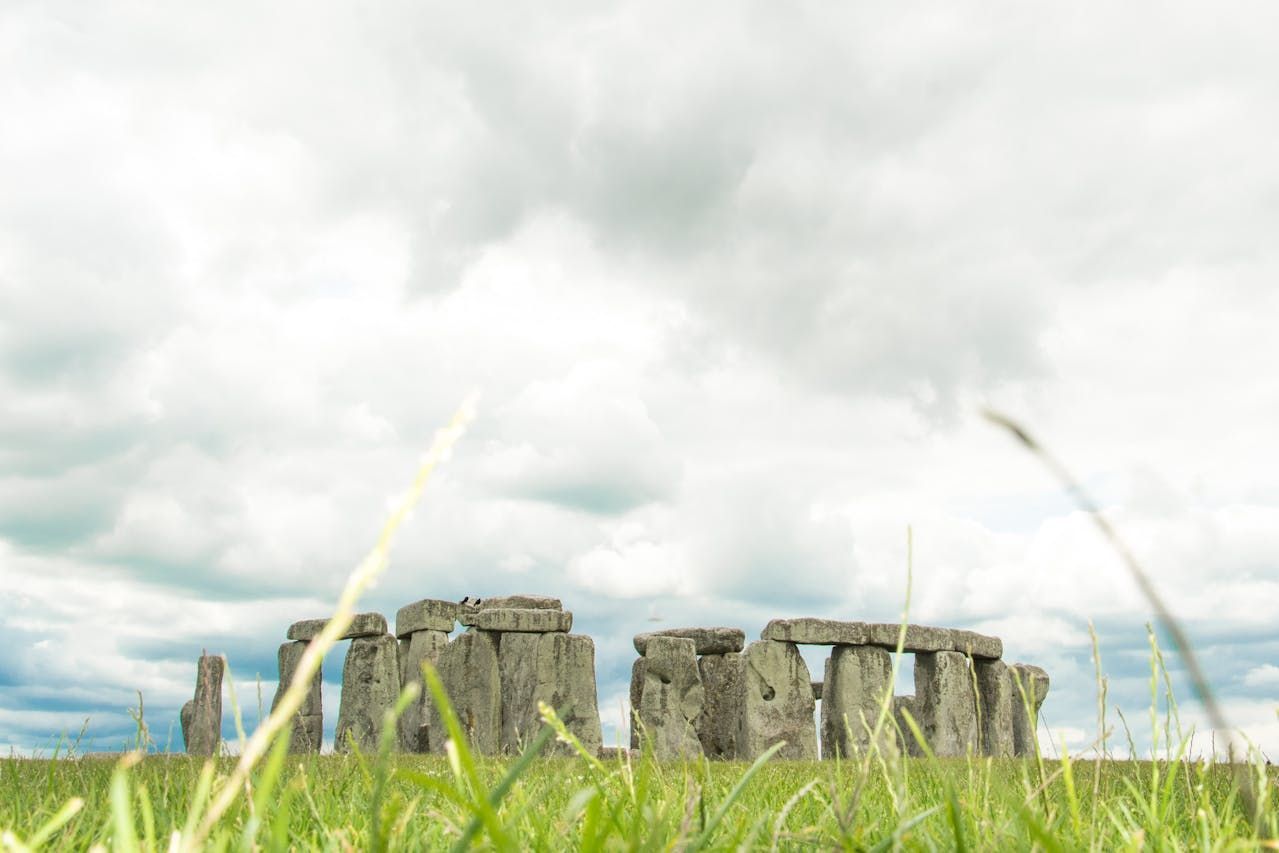
For North American travelers used to tree-lined New England hills or the big skies of the prairies, Salisbury Plain feels surprisingly wide and open for southern England. It stretches across Wiltshire as a rolling chalk plateau, with long views, big skies, and very few towns to interrupt the horizon.
So what is Salisbury Plain exactly? In simple terms, it is a raised area of chalk bedrock covered by thin soils and grass. That geology creates:
- Gently rolling hills and dry valleys
- Short turf and wildflowers rather than dense woodland
- Habitat for rare birds, insects, and plants
- A sense of space that is unusual in lowland Britain
Salisbury Plain is also one of the richest prehistoric areas in Europe. It is not just the backdrop to Stonehenge, but a concentration of ancient earthworks, burial mounds, and ceremonial sites. When we take guests across this open country, we are moving through layer upon layer of human activity going back thousands of years.
On a Salisbury Stonehenge private tour, that open space becomes comfortable and accessible. With a local driver-guide, you can enjoy the views, stop for photos, and hear the stories that bring this ancient ground to life.
How Salisbury Plain Shaped Stonehenge
Stonehenge was not placed randomly. The builders chose a specific spot on the edge of Salisbury Plain for several reasons linked to the land itself.
Key factors likely included:
- Solid chalk bedrock that could support heavy stones
- High, gently sloping ground that stands out in the wider area
- Nearby rivers, including the Avon, that may have carried stones and people
- Long-distance views that suited processions and ceremonies
Stonehenge is part of what archaeologists call a sacred or ritual landscape. When you stand by the stones and look out, you are surrounded by:
- Round burial mounds, or barrows, on nearby ridges
- Long linear earthworks called cursus monuments
- Traces of ancient avenues that once guided movement through the area
Different phases of building at Stonehenge reflect changing beliefs and societies, from early timber structures to the famous stone circle. Without context, it can feel like a single, mysterious event. With the Plain around it in view, it becomes a long story of communities shaping one special place over many generations.
One of the joys of exploring with a private guide is learning to see beyond the obvious circle. What look like ordinary fields begin to reveal subtle banks, ditches, and alignments that turn a quiet walk into a tour through prehistory.
Ancient Sites and Hidden Monuments Across the Plain
Stonehenge is just one chapter in the prehistoric landscape of Wiltshire. Across Salisbury Plain, there are many other sites that help complete the picture.
Important locations near Stonehenge include:
- Durrington Walls, a huge earthwork that enclosed a Neolithic settlement
- Woodhenge, a circular timber structure aligned on the same area of sky as Stonehenge
- The Avenue, a processional route linking Stonehenge to the River Avon
- Long barrows, elongated burial mounds that predate the stone circle
Beyond the well-known sites are hidden features that are hard to spot on the ground. Many are only visible from the air or through specialist surveys. These subtle traces show that paths, structures, and gathering places once formed a connected ritual network across the Plain.
On a Salisbury Stonehenge private tour, time and interest allow for extra stops that match what you care about most. Some guests are drawn to archaeology and want to walk near earthworks. Others are keen photographers looking for big skies and silhouettes of ancient mounds at the edge of the light.
Why Salisbury Plain Feels so Strangely Empty
Visitors often ask, why is Salisbury Plain empty when the rest of England seems full of villages, hedges, and small roads? The answer starts with the chalk itself. Thin, chalky soils are better for grazing than intensive crops, so this country has long been associated with sheep rather than dense settlement.
Later, the army began using large areas of the Plain for training. Over time, the Salisbury Plain Training Area grew into one of the largest military training zones in the country. Tanks, armored vehicles, and infantry units have all used this open land to practice, and parts of the Plain remain under military control.
This might sound worrying, but it has had an unexpected side effect. Military ownership has:
- Limited new housing
- Restricted major road-building
- Reduced intensive plowing in some areas
By accident rather than design, this has protected a great deal of archaeology. There are clearly marked restricted zones and warning signs, and there are also many public routes that are perfectly safe. The uncluttered views and lack of modern building help many visitors feel as if they have stepped back into a much older world.
Archaeology in Action on Salisbury Plain
The archaeology of Salisbury Plain is dense and varied. Across the wider area are causewayed enclosures, henges, barrow cemeteries, and Iron Age hillforts. When we say there are thousands of ancient features here, we mean that nearly every ridge and slope has something of interest to specialists.
Modern techniques now allow researchers to look beneath the turf without digging. These include:
- Aerial photography that shows cropmarks and soil marks
- LiDAR, which maps subtle changes in ground height
- Geophysical survey, such as magnetometry and ground-penetrating radar
Some of the most important advances in Stonehenge studies have come from this kind of work on the Plain around it. New settlements, processional routes, and burial grounds keep adding detail to the story of who built Stonehenge and how they lived.
When we guide guests, we draw on this research but keep the language clear and relaxed. The goal is not to turn you into an archaeologist, but to help you feel that you are walking through a real, knowable past rather than a vague myth.
Visiting Salisbury Plain Today
So is Salisbury Plain open to the public? Parts of it are, and parts are not. The picture is a mix of:
- Public rights-of-way and footpaths
- National Trails crossing or skirting the Plain
- Byways shared with military training schedules
- Strictly off-limits zones with clear signs
For a day trip from London, visitors can easily see Stonehenge itself, related sites in the surrounding world heritage landscape, and broad views over sections of the Plain. It is a realistic, rewarding day out, especially when combined with nearby Salisbury or Bath.
For North American travelers, a few practical tips help:
- Weather changes quickly, so layers and a light waterproof jacket are useful
- Comfortable, closed footwear is important for short walks on uneven grass
- Some viewpoints and paths are not paved, so mobility varies by location
- Having door-to-door pickup avoids dealing with rural roads and car parks
A private tour means someone else keeps track of access, road closures, and timing. That leaves you free to enjoy the history, the open skies, and the quiet that makes this area feel so different from city sightseeing.
Stepping Into Deep Time Across Salisbury Plain
When we talk about Salisbury Plain and Stonehenge, we are really talking about a single, large outdoor museum where the exhibits are buried, grassed over, or standing proud on the skyline. Once you know what to look for, every bank, ditch, and solitary mound hints at a ritual, a burial, or a gathering from long before written history.
A Salisbury Stonehenge private tour turns that knowledge into experience. Instead of a quick stop at a famous stone circle, you gain a day in England’s ancient heartland, close to the ground, with time to pause, ask questions, and feel how humans and this chalk plateau have shaped each other for thousands of years.
Experience Stonehenge With a Tailored Private Tour From Salisbury
Step into prehistoric Britain with our expert-guided Salisbury Stonehenge private tour, designed for travelers who want a more personal and in-depth experience. At Heritage & Stone Tours, we handle every detail so you can focus on the stories, landscapes, and atmosphere that make this ancient site unforgettable. If you have questions about customizing your visit or group needs, simply contact us and we will help you plan the ideal itinerary.
In This Article
Plan Your Day Trip
Tell us what interests you and we'll design the perfect itinerary for your group.
Share
More from the Journal