Earlier, Simpler Stonehenge? What New Discoveries Reveal
Ancient Sunwatchers on the Salisbury Plain
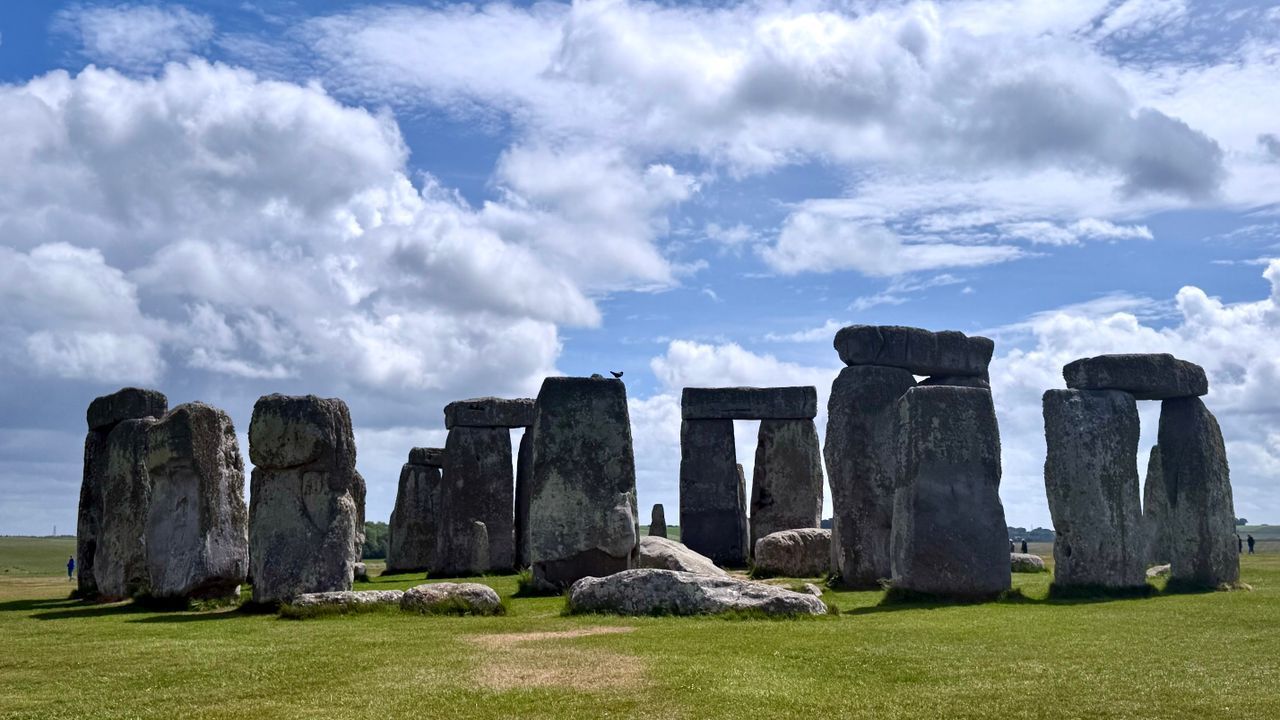
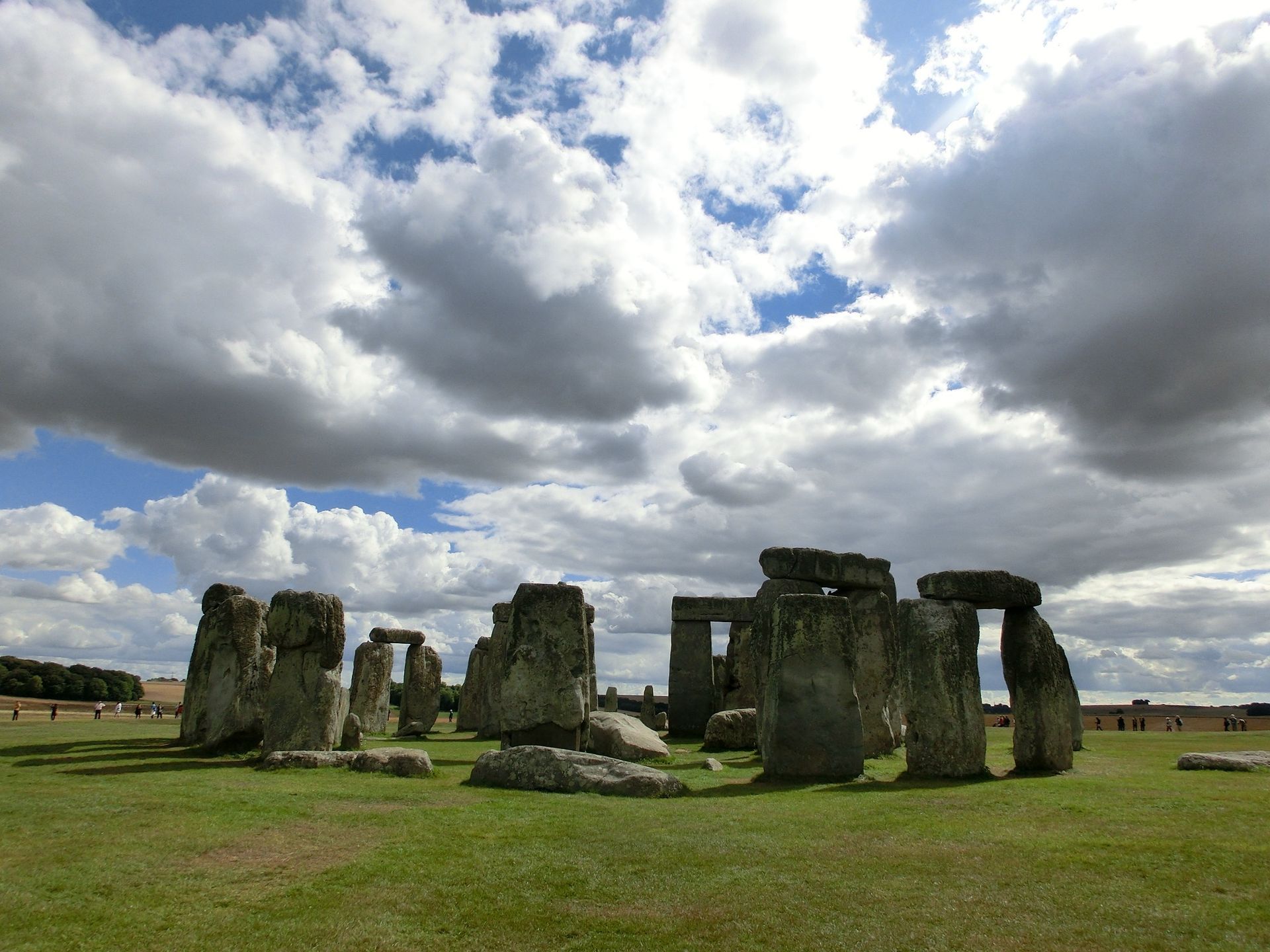
Stonehenge is already one of the most famous prehistoric sites on the planet, but recent research has revealed that it was not the first monument here to track the movement of the Sun. Just a short distance from the stone circle, archaeologists have identified an earlier, simpler monument that exists today only as two postholes in the ground. All that remains of the older structure are these two holes, but the team says they held wooden posts that lined up with the Sun on the summer and winter solstices, the longest and shortest days of the year, in the same way as Stonehenge.
The site has been dated to about 5,000 years old, which predates Stonehenge by about 500 years. That means people were already experimenting with celestial alignments on Salisbury Plain well before the first great stones were raised. For anyone curious about prehistoric sites near Stonehenge, this discovery adds a fresh layer of meaning to a day out in Wiltshire. As guides who spend our days in this landscape, we see how these new findings can completely change how visitors from the US and Canada experience the area.
What Archaeologists Found: Two Holes That Changed History
At first glance, the discovery sounds almost comically small. There is no ring of standing stones, no towering monoliths, just two cut features in the chalk. Yet, archaeologists can tell a huge amount from these simple postholes. Their shape, depth, and fill show that they once held substantial wooden posts, likely tall and firmly anchored.
Researchers combined several lines of evidence to reach their conclusions:
- Careful excavation to reveal the exact position and profile of each posthole
- Soil analysis to understand how the holes were filled over time
- Scientific dating techniques on organic traces to establish the age
- Precise measurements to check how the posts lined up with the horizon
When they plotted the alignment, it matched the positions of the rising and setting Sun at the summer and winter solstices. That kind of accuracy is very unlikely to be an accident. It suggests that the builders were intentionally tracking the Sun in a way that foreshadows the grander alignments at Stonehenge itself.
This is why archaeologists are so excited. The discovery pushes ceremonial or astronomical activity on Salisbury Plain back by at least half a millennium before the main stone circle. It shows that the big, famous monument grew out of a tradition that was already established here. To untrained eyes, two small patches of disturbed chalk might look underwhelming, but finds like this can completely reshape how we understand prehistoric sites near Stonehenge.
A Simpler Prototype for the Stone Circle We Know
So what might this earlier wooden monument have looked like in its prime? We are not talking about a full timber henge on the scale of Woodhenge or Durrington Walls, but those two sturdy posts were clearly important. One useful way to think of them is as a kind of prototype, or spiritual ancestor, of what later became the great stone circle.
Across southern England, early ritual sites often used wood:
- Timber circles, sometimes surrounded by ditches or banks
- Causewayed enclosures with wooden posts marking entrances
- Simple alignments of posts creating sightlines to the horizon
Wood is easier to source and shape than massive sarsen or bluestone, but it decays quickly, which is why these monuments can be so hard to spot today. The Stonehenge builders may have been drawing on generations of experience with timber structures when they finally committed to stone.
What really connects the postholes to Stonehenge is the shared focus on the solstices. The same Sun rising and setting at those key points in the year was being watched and marked across centuries. When visitors tour prehistoric sites near Stonehenge today, they are not seeing a single, isolated project. They are walking through a landscape shaped by long-term experimentation, belief, and adaptation.
Rethinking Prehistoric Sites Near Stonehenge as a Whole
Once we add this little wooden alignment to the map, the whole area looks different. Stonehenge, Avebury, Durrington Walls, Woodhenge, the Cursus, long barrows, round barrow cemeteries, and this modest pair of posts all start to look like parts of one huge ritual landscape. Each site plays a slightly different role, but they are all connected by routes, sightlines, and shared traditions.
Recent excavations and scanning technologies are revealing more of these smaller or earlier features all the time. Some are as subtle as soil marks or faint depressions, but they fill in the gaps between the big monuments. Rather than isolated wonders, the main sites sit inside a lived-in ceremonial world where people:
- Gathered for feasts and seasonal events
- Buried and commemorated their dead
- Traveled along processional routes
- Watched the movement of the Sun, Moon, and stars
For many visitors from North America, it can be hard to get a sense of this wider picture from a quick stop at the Visitor Centre and a walk around the stones. This is where an experienced local guide helps to join the dots, linking a humble feature like a pair of postholes to the grand sweep of prehistory across the plain.
From Academic Discovery to Real-World Travel Planning
All of this raises a practical question: what can you actually see when you come here? Some of the earliest or most fragile features are invisible on the surface, either because they have been backfilled to protect them or because time and farming have erased the visible traces. Archaeologists record these places in detail, then cover them again so they are safe for the future.
That does not mean visitors miss out. It simply changes how we show the story. On a private, expert-led tour, we can bring subtle or buried sites to life with:
- Clear explanations of how archaeologists worked out what was there
- Simple maps and reconstructions to show how things used to look
- Carefully chosen viewpoints that reveal how monuments relate to each other
If you can arrange special access inside the Stonehenge stone circle, it is worth pairing that experience with visits to other prehistoric sites near Stonehenge, such as Woodhenge and Durrington Walls, and nearby barrow groups. You begin to see how different communities used different spaces for living, celebrating, and remembering.
Many guests like to extend the story over a day or two, combining Stonehenge and its neighbors with Avebury, Bath, or the Cotswolds. That way, you get both the deep prehistory of the stone circles and the later layers of Roman, Georgian, and rural English history, all within a manageable distance.
Walk in the Footsteps of the First Sunwatchers
When we stand on Salisbury Plain today, we are sharing the same horizons as the first people who watched the solstice Sun line up with two simple wooden posts. The stones, banks, and ditches may have changed, but the sky has not. Knowing that an earlier, simpler monument once marked those solar events gives every visit to Stonehenge and its surroundings a new depth.
For travelers from the US and Canada, this is a chance to move beyond the postcard view and connect with a much older story. With small, private tours tailored to couples, families, and friends, we can take time to explain the latest research in clear, engaging language while you stand in the places where it all happened. Prehistoric sites near Stonehenge reward patience and curiosity, and with the right guidance, even a pair of forgotten postholes can bring the ancient Sunwatchers of Salisbury Plain vividly back into focus.
Discover Ancient History With a Guided Stonehenge Experience
Ready to walk in the footsteps of Neolithic builders and uncover the stories behind the landscape? Our expert-guided tours connect you with the most significant
prehistoric sites near Stonehenge, so you can see how these monuments fit together in time and place. At Heritage & Stone Tours, we keep group sizes small so you have time to ask questions and explore at a relaxed pace. If you have specific dates or interests in mind,
contact us and we will help you choose the right tour.
In This Article
Plan Your Day Trip
Tell us what interests you and we'll design the perfect itinerary for your group.
Share
More from the Journal