The Blind House of Wiltshire: Inside a Village Prison of the Past
Stepping Inside Wiltshire’s Mysterious Blind House
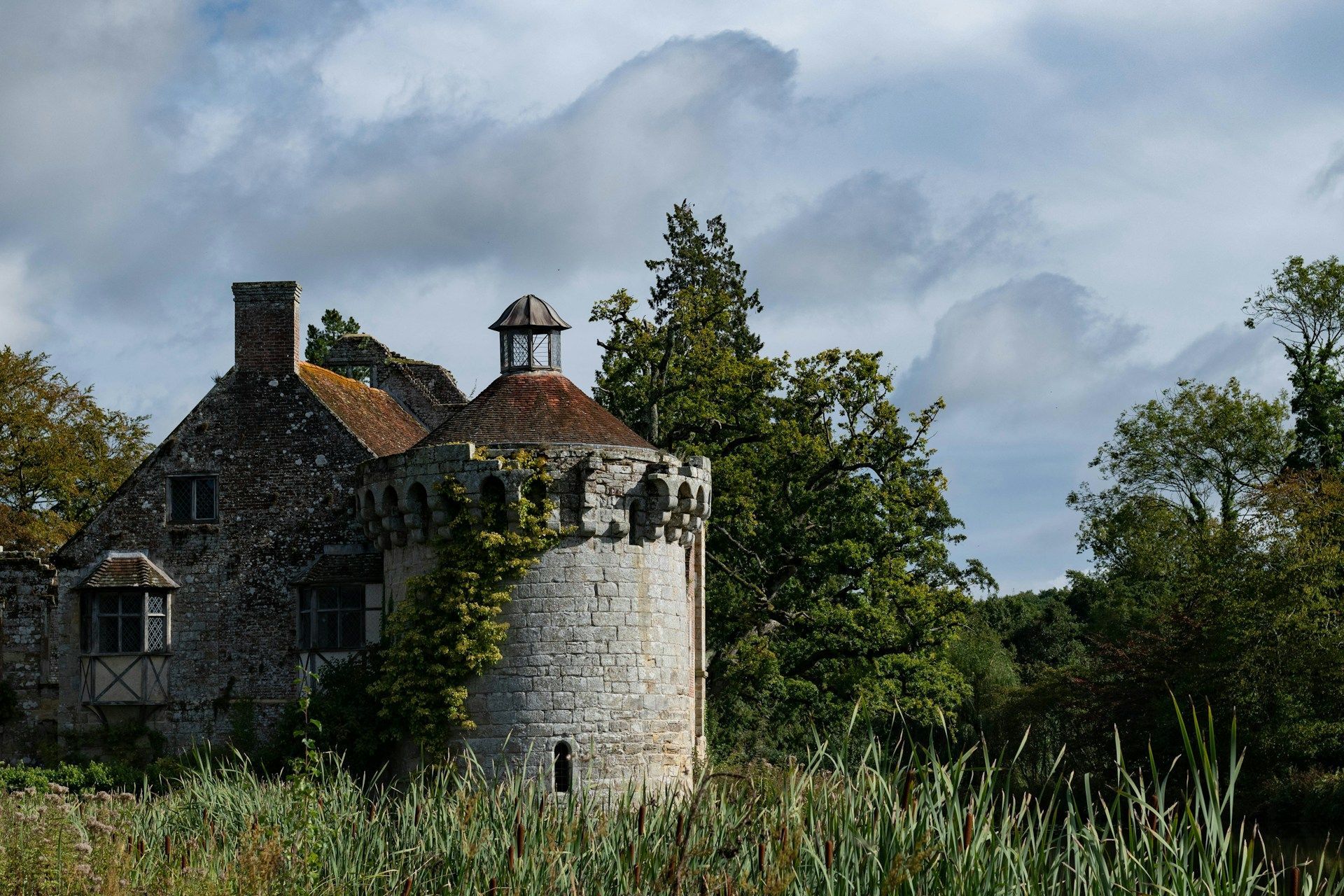
A small stone hut beside a churchyard or village green in Wiltshire often confuses visitors from the United States and Canada. It looks too solid to be a shed, too plain to be a chapel, and too small to be a house. When we unlock the story, we are not opening a cottage at all, but a tiny village prison from a very different age.
This is the Blind House, a local lock-up once used to hold drunks, vagrants, and minor troublemakers before modern policing existed. On our heritage tours in England and Wales, these modest buildings offer a refreshingly close look at how real people lived, argued, celebrated, and sometimes misbehaved. In this article, we will explore what Blind Houses were, how they fit into village life, the stories wrapped around them, and how you can include one in a private day tour with us through Wiltshire and nearby parts of England and Wales.
What Exactly Was a Blind House?
A Blind House was a tiny lock-up used by a parish or village to keep order. You might also hear them called a lock-up, roundhouse, cage, or sometimes a clink. The word “blind” often hints at the lack of windows, or the fact that anyone inside was shut away, out of sight and out of mind for a few uncomfortable hours.
Most Blind Houses were not meant for long-term imprisonment. They were short-term holding cells for:
- People who had too much to drink at the pub
- Travelers who were causing trouble on the road
- Minor offenders, like small-time thieves or brawlers
- Vagrants the parish did not want sleeping in the open
Villages placed these lock-ups in places everyone would see: by the church, in the market square, on the main street, or at a crossroads. Their presence was a quiet warning that the community would not tolerate too much disorder.
Inside, conditions were basic, to say the least. Typical features included:
- Thick stone walls to prevent escape
- A heavy wooden door with iron hinges and a large lock
- Small openings or narrow slits instead of real windows
- Bare floors, sometimes with a simple bench or ring for restraints
There was no comfort, only containment. Yet for all their severity, these tiny buildings were part of everyday life, not distant state prisons.
Law, Order, and Everyday Life in Rural Wiltshire
To understand a Blind House, we need to picture village life before professional police forces. Law and order were handled locally, often by:
- A parish constable or watchman
- Local magistrates who lived nearby
- Church and parish officials who knew everyone by name
If market day ended in a fistfight, or a celebration spilled into the street, the aim was usually to cool things down, not to ruin lives. A night in the Blind House was a punishment of inconvenience and embarrassment, rather than a long sentence.
Common reasons for a stay included:
- Public drunkenness after the pub closed
- Noisy arguments that disturbed the neighbors
- Small thefts or suspected petty crime
- “Sturdy beggars” or vagrants viewed with suspicion
The whole village often knew who had spent the night in the lock-up. Shame became part of the penalty. People might joke about someone who had to “sleep it off” behind thick stone walls, and reputations were shaped accordingly.
For North American visitors, this can feel strikingly different from our modern justice system, with its formal police forces and centralized courts. The Blind House was close, personal, and woven into daily community life, a reminder that order was a local responsibility long before national institutions developed.
Stories, Myths, and Human Moments Behind the Bars
Behind every Blind House stands a collection of stories and half-remembered legends. On our tours, we often hear local tales that have trickled down through generations, even if the exact details have blurred. These might include:
- A harvest feast that got far too lively and ended with several farmhands locked inside
- A traveling musician who played one tune too many beneath a bedroom window
- Quarrels between neighbors that flared up after cider and ale
Many Blind Houses have ghost stories attached to them. Villagers might whisper about strange footsteps, a figure at the barred opening, or the sound of moaning on a quiet night. Whether you believe in ghosts or not, such stories help reveal how deeply these structures are rooted in local memory.
More important than the myths are the human realities. The people held here were rarely famous criminals. They were farm laborers, market traders, servants, and wanderers who had crossed a line, often in small and very human ways. Inside these cramped cells, we glimpse:
- The class rules of the time, where some misbehavior was quietly accepted and other acts were punished
- Different expectations for men and women, adults and youths
- How communities managed the tension between compassion, fear, and the need for order
As guides, we find that these ordinary stories often touch visitors more deeply than grand royal dramas. The Blind House speaks in a quiet voice about everyday life.
Visiting a Blind House on Heritage Tours in England and Wales
When we plan private day tours through Wiltshire and neighboring counties in England and Wales, we are always looking for small, meaningful stops to balance the headline sights. A Blind House visit is usually brief, but it tends to stay in people’s minds long after the day is over.
For many guests, the experience unfolds like this:
- Walking across the village green or along a narrow lane
- Realizing that the “little hut” is actually a prison
- Running your fingers lightly over the stone or ironwork
- Peering into the dim interior and picturing a long, cold night inside
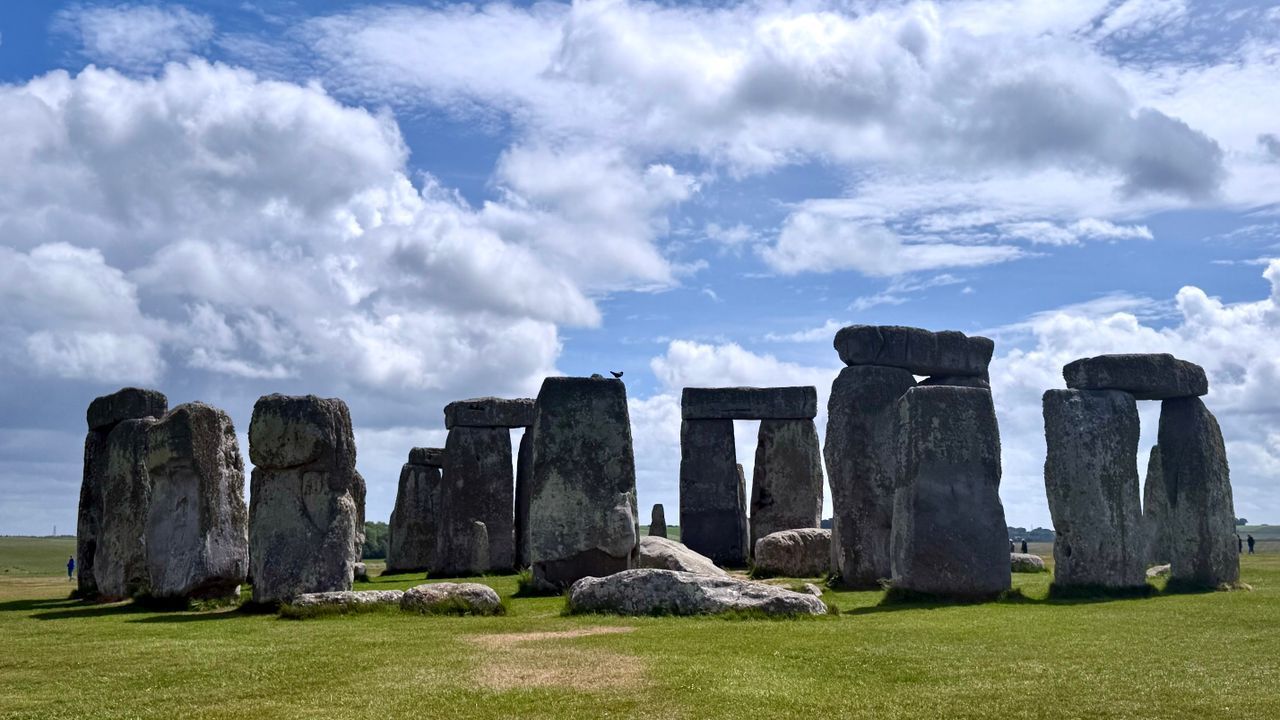
Because we travel with small groups, we can pause in villages that large coaches often miss. Our driver-guides share local stories, point out details you might not notice on your own, and connect this small building to the wider history you have seen at places like Stonehenge, Bath, or a Cotswold village.
We know that many travelers from the United States and Canada appreciate a relaxed pace. With flexible pickup from London, Salisbury, Bath, and nearby areas in England and Wales, there is time to enjoy a Blind House visit as part of a day that might also include:
- A village church with medieval carvings
- A traditional pub for lunch or a drink
- A quiet walk along the hedgerows and stone walls
It is a gentle way to experience history, rather than rushing through a checklist of big monuments.
From Village Lock-up to Protected Heritage Site
As modern police forces formed and larger prisons took over, Blind Houses gradually fell silent. Some were reused for storage, others decayed, and a few were demolished. Over time, communities began to see them not as awkward leftovers, but as rare survivors of an earlier way of keeping order.
Today, many Blind Houses are recognized as historic structures, cared for by local councils or heritage bodies. You may notice:
- Simple plaques explaining their former purpose
- Modest restoration work on roofs, doors, and stonework
- Occasional open days or local events that bring people inside
Others remain tucked away and almost unmarked, rewarding those who know where to look. On heritage tours in England and Wales, these small buildings remind us that history is not only found in great palaces or colossal ruins. It also lives in one-room lock-ups, hidden beside churchyards and greens, that once echoed with muttered apologies and promises to behave.
Planning Your Own Encounter with Wiltshire’s Past
When you plan time in Southern England, it is easy to focus on the headline attractions, and those are spectacular. Yet the character of the region often reveals itself in the in-between places: the green where children play, the church path, the stone hut that turns out to be a Blind House.
We often suggest pairing a Blind House stop with other nearby highlights in England and Wales, for example:
- A visit to ancient stone circles or prehistoric sites
- Time inside a medieval church with carved pews and worn stone floors
- A slow meal or drink in a traditional pub on the village high street
For travelers who enjoy private, experience-led touring, these combinations create a deeper sense of place. You step into a dark stone cell for a moment, then out again into sunlight and open fields, aware that generations before you walked the same ground under very different rules.
In the end, that is the real gift of these modest lock-ups. They bring us close to ordinary people of the past, close enough to feel the chill of the stone, hear the clank of a heavy door in our imagination, and then step back into the present with a new respect for the long, complicated story of village life in Wiltshire and across this corner of England and Wales.
Start Planning Your Authentic English Heritage Journey Today
Discover how Heritage & Stone Tours can turn centuries of history into a vivid experience tailored to your interests. Explore our curated heritage tours in England to find the itinerary that best fits your schedule and curiosity. If you have questions or need help choosing the right tour, simply contact us and we will guide you through every step.
In This Article
Plan Your Day Trip
Tell us what interests you and we'll design the perfect itinerary for your group.
Share
More from the Journal