Avebury Avenue: Walking the Ancient Processional Way
Walking Into Deep Time in Prehistoric Wiltshire
Stepping onto Avebury Avenue for the first time feels like walking straight out of the present. The road noise fades; the houses of Avebury village slip behind you, and suddenly you are among towering sarsen stones in quiet fields, following a line that has guided feet for thousands of years. Each step carries you deeper into a Neolithic story that still shapes the Wiltshire countryside today.
Avebury Avenue is an impressive prehistoric stone avenue linking the Avebury stone circle with nearby ancient monuments. Dating back more than 4,500 years, this remarkable route formed a processional way through one of Britain’s most significant Neolithic landscapes. While many visitors from the United States and Canada come to England with Stonehenge in mind, far fewer have heard of Avebury and its avenue, which can become a highlight of any Avebury and Stonehenge tour. In this article, we will share what Avebury Avenue is, why it matters, how to walk it, and how to fit it into a wider day exploring southern England with us at Heritage & Stone Tours.
What Avebury Avenue Is and Why It Matters
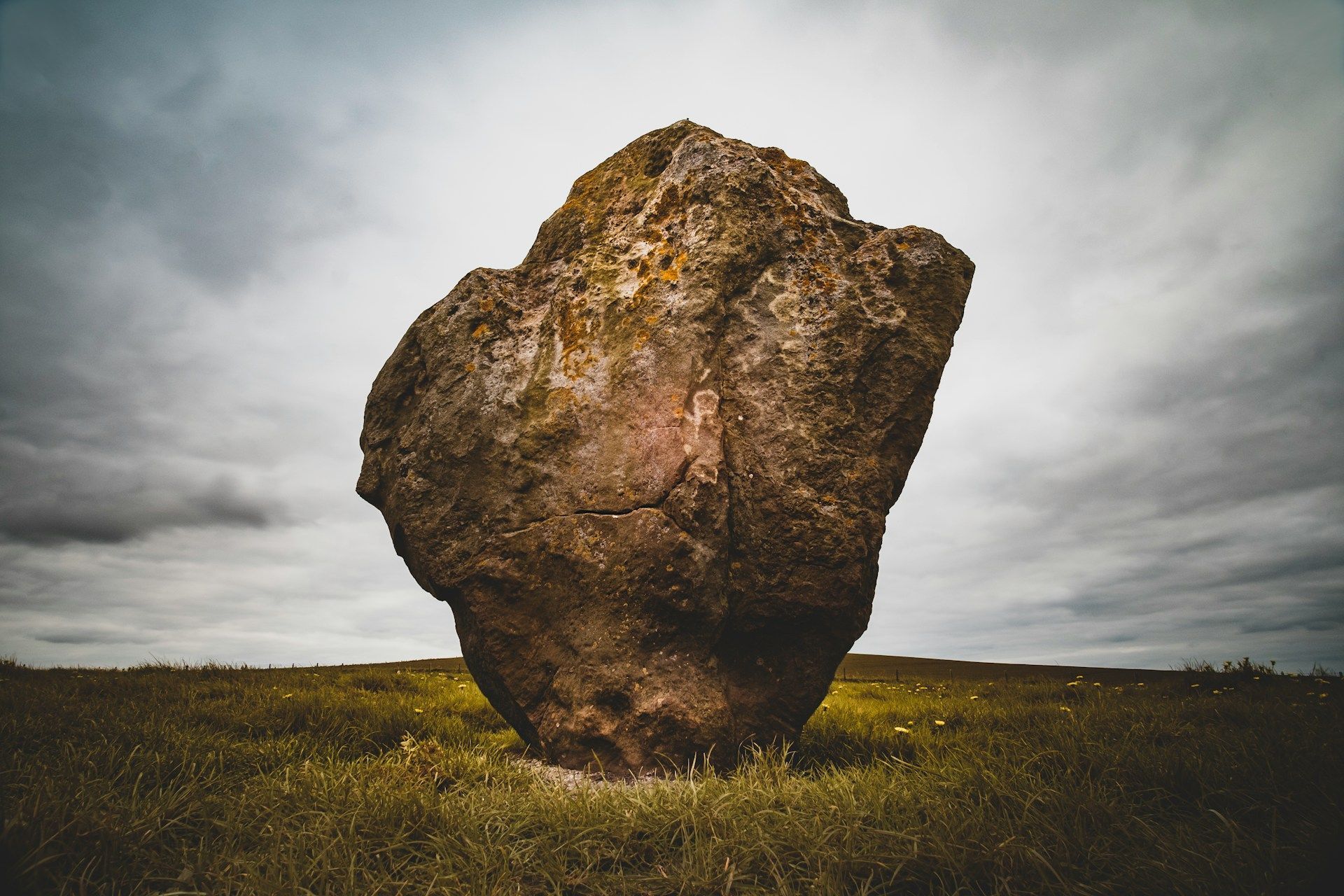
Avebury Avenue begins at the southern side of the great Avebury stone circle, a vast earthwork and ring of stones that surrounds part of the modern village. From there, the avenue originally stretched more than a mile, formed by two parallel lines of standing sarsen stones creating pairs on either side of a processional route. Only a portion of the stones survive above ground today, but archaeologists have identified many of the missing ones through buried stone sockets.
Built in the Neolithic period more than 4,500 years ago, the avenue was not a simple track between settlements. It appears to have been a ceremonial route that linked the Avebury circle with other sacred places in the surrounding landscape. At its far end lies a complex known as the Sanctuary, and nearby are burial mounds and long barrows that hint at an important ritual focus.
Key points that make Avebury Avenue so important include:
- Its scale, with large sarsen stones marking a carefully planned path
- Its connections, joining Avebury to the Sanctuary and other monuments
- Its role in movement, likely guiding processions between different sacred zones
- Its survival, which still lets us follow much of the original route on foot
Archaeologists working along the avenue have discovered:
- Stone sockets where missing stones once stood
- Patterns in the spacing and size of stones
- Signs that the route was deliberately aligned with features in the landscape
Where Stonehenge is famously roped off, Avebury is much more open. You can walk among many of the stones, rest a hand on the weathered surfaces, and follow the avenue out into gently rolling fields. It feels less like visiting a monument and more like stepping into a living prehistoric setting.
Following the Ancient Path on Foot
Most visitors start in Avebury village, where the stone circle almost weaves between cottages, a church, and the local pub. From within the circle, we usually pick up the southern entrance, where pairs of taller stones mark the start of the avenue. From there, the walk leads away from the village, out across grass fields that open onto the wider Wiltshire downs.
As you walk, you see:
- Surviving stone pairs standing in broad, shallow curves
- Gaps showing where stones once stood, their former positions now known from excavations
- Sheep or cattle quietly grazing between the stones
- Long views across chalk hills and farmland, with very few modern intrusions
For visitors from North America, the walk is usually a pleasant surprise. The terrain is mostly gentle, on short grass and farm tracks with only modest slopes. In wet weather it can be muddy in places, but this is ordinary countryside walking rather than a strenuous hike. Most guests with average fitness are comfortable covering a good section of the avenue at a relaxed pace.
The sensory experience is part of the appeal. The atmosphere changes constantly with:
- Shifting light on the pale sarsen stones
- Birds calling from hedgerows and skylarks overhead
- Wind moving across the open downs
- A striking lack of traffic or city noise
We are always careful to respect that this is both an archaeological site and working farmland. That means:
- Staying on marked paths and rights of way
- Closing gates and being calm around livestock
- Avoiding climbing on stones, which can damage them
Going with a guide who knows the paths, fields, and viewpoints makes the walk smoother, especially if you are new to public footpaths or English country access rules.
Stories, Theories, and Mysteries of the Avenue
As we walk the avenue with guests, one of the most engaging parts of the experience is talking about why it was built. No one can say for certain, but leading theories suggest:
- Ceremonial processions marking seasonal events
- Rituals linking a place of the living with areas associated with the dead
- Gatherings of different communities for feasting, trade, and ceremony
The route is not random. Alignments and sightlines show that the builders shaped the experience of walking. As you move along the avenue, different hills appear and disappear, and the Avebury circle behind you gradually sinks out of view. This suggests a carefully planned sequence of views, perhaps guiding participants through stages of a ritual.
Modern visitors usually walk the avenue in quiet daylight, maybe passing a few other walkers or local dog owners. In contrast, some researchers imagine Neolithic processions by torchlight, with drums or chanting, animal skins, and painted faces. While we have to be cautious with such reconstructions, echoes from other prehistoric sites hint that sound, light, and movement were central to ceremonies along routes like this.
Avebury Avenue also connects into a wider prehistoric story that includes:
- Silbury Hill, an enormous man-made mound nearby
- West Kennet Long Barrow, a chambered tomb set on a ridge
- Smaller barrows scattered across the downs
All of this underlines just how special this part of Wiltshire is. Even with decades of careful research, Avebury Avenue keeps its secrets. The mystery of exactly what happened here is part of what people remember most after walking the route.
Pairing Avebury Avenue with Stonehenge in a Day Tour
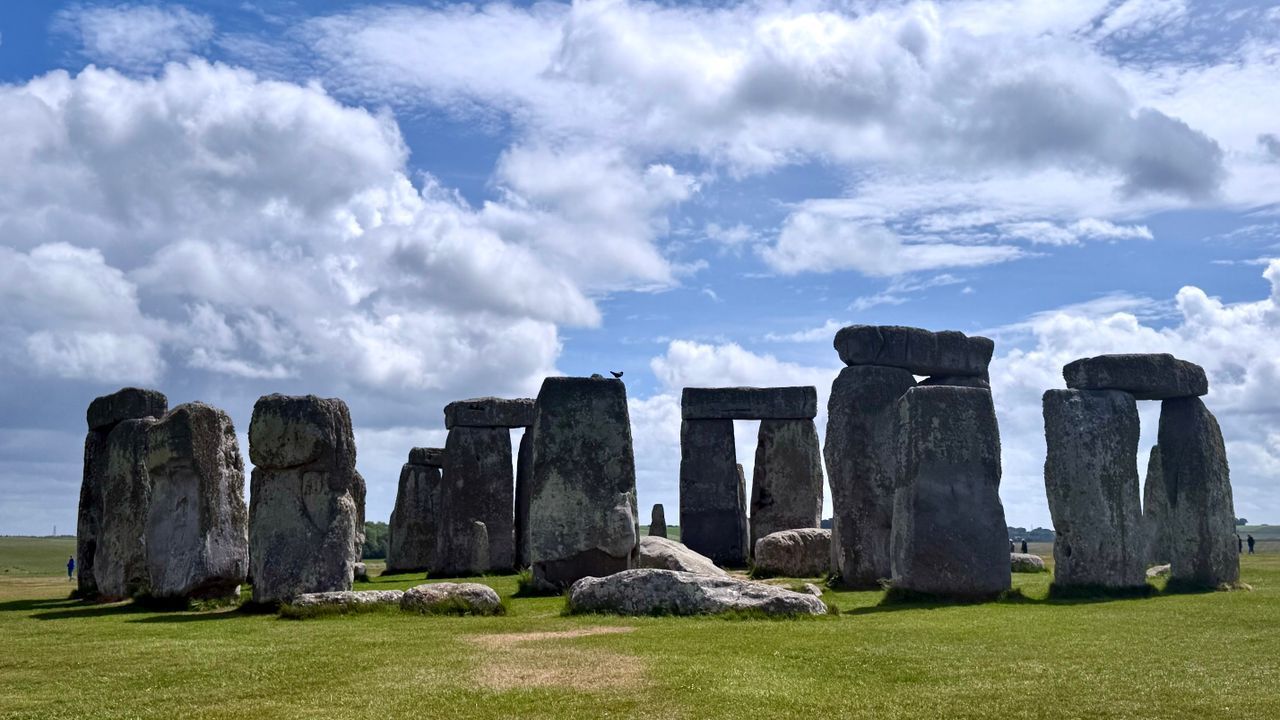
Many travelers choose to combine Avebury Avenue with Stonehenge in a single day so they can experience two very different sides of Neolithic England. Stonehenge is the icon, with its world-famous stone circle, visitor center, and timed entry system. It is impressive, focused, and structured.
Avebury, by contrast, feels wide open. The stones are spread across farmland, the village sits inside the earthwork, and you can wander among the stones of both the circle and the avenue. It is a more immersive, hands-on experience, especially for guests who enjoy walking and photography.
On a typical private Avebury and Stonehenge tour from London, Bath, or nearby cities, we often do the following:
- Start with pickup at your accommodation
- Visit Stonehenge for a timed entry, with time to explore the circle and visitor exhibition
- Stop for lunch in a traditional village or country pub
- Spend the afternoon at Avebury, walking through the circle and along part of the avenue
Because our tours are private, we can adjust:
- How far you walk along the avenue
- How much time you spend at each site
- Whether we add in a nearby monument or keep the day gentler
Our focus is always on giving guests time to absorb what they are seeing, not just ticking off famous names. For guests who are traveling farther in Britain, we can also provide private transportation connections if you are heading north toward Wales or Scotland before or after your day in Wiltshire.
Planning Your Own Walk Through the Neolithic Past
Avebury Avenue is accessible throughout the year, and every season has its own feel. Whatever the time of your visit, it helps to plan ahead. For most visitors from North America, we suggest bringing:
- Comfortable walking shoes or light boots
- A light waterproof jacket and layers for changeable weather
- A hat and sunscreen in brighter months
- Water and perhaps a small snack for longer walks
To enjoy Avebury at a comfortable pace, it is wise to allow:
- Time in the main stone circle
- Time for at least part of the avenue, even if you do not walk the full length
- Time for one additional nearby site if you are keen on prehistory
Rushing the avenue reduces its impact. We encourage guests to slow down, stop beside individual stones, and notice details like:
- Weathering patterns on the sarsen surfaces
- Lichen growth and subtle color changes
- The shifting perspective as you move between stone pairs
A knowledgeable local guide can shape the day to match your interests. That might mean:
- Shorter, gentler walks for families with younger children
- Longer explorations for keen walkers who want more of the avenue
- Time for focused photography or deeper archaeological discussion
For many first-time visitors to rural England, the idea of country lanes and public footpaths can feel a bit unfamiliar. With a private tour and an experienced driver-guide, those worries fall away, and you can simply focus on the experience of walking through one of the most remarkable Neolithic settings in Britain.
Step Onto the Avenue and Make the Story Your Own
Avebury Avenue is far more than a line of ancient stones. It is a rare chance to move through a prehistoric landscape much as its builders intended, feeling the shape of the country beneath your feet and the alignment of stones around you. Pausing beside one of those great sarsens, it is easy to feel a quiet connection to the people who walked here long before written history.
For anyone planning an Avebury and Stonehenge tour, adding time on the avenue brings depth and context to the famous circle on Salisbury Plain. The two sites together offer a fuller sense of Neolithic life, belief, and ceremony than either can alone. With thoughtful planning, or with the help of a private, experience-led tour, your day in Wiltshire can become a personal meeting with England’s ancient past, carried in your memory long after the stones are behind you.
Make Your Avebury And Stonehenge Journey Unforgettable
Step beyond the guidebooks and let Heritage & Stone Tours show you the stories, alignments, and hidden details most visitors miss. Reserve your spot on our curated
Avebury and Stonehenge tour to experience these ancient sites with an expert guide and comfortable transport. If you have questions about dates, custom options, or accessibility, simply
contact us and we will help you plan the visit that fits you best.
In This Article
Plan Your Day Trip
Tell us what interests you and we'll design the perfect itinerary for your group.
Share
More from the Journal