Exploring Wiltshire Crop Circles with Heritage & Stone Tours
Wiltshire Crop Circles and the Magic of Ancient Britain
Wiltshire’s rolling chalk downs are famous for stone circles and burial mounds, but each summer another kind of circle appears in the fields. Vast geometric patterns press into golden barley and wheat, sometimes overnight, turning the countryside around the Stonehenge region and Avebury into an open-air gallery of mysterious formations.
In this article, we share how Wiltshire crop circles connect with ancient landscapes, what visitors from North America can realistically expect, and how we at Heritage & Stone Tours weave them into comfortable, story-led ancient Britain tours. Our aim is not to chase headlines or UFO theories, but to offer a thoughtful day out that blends history, countryside beauty, and a little modern mystery.
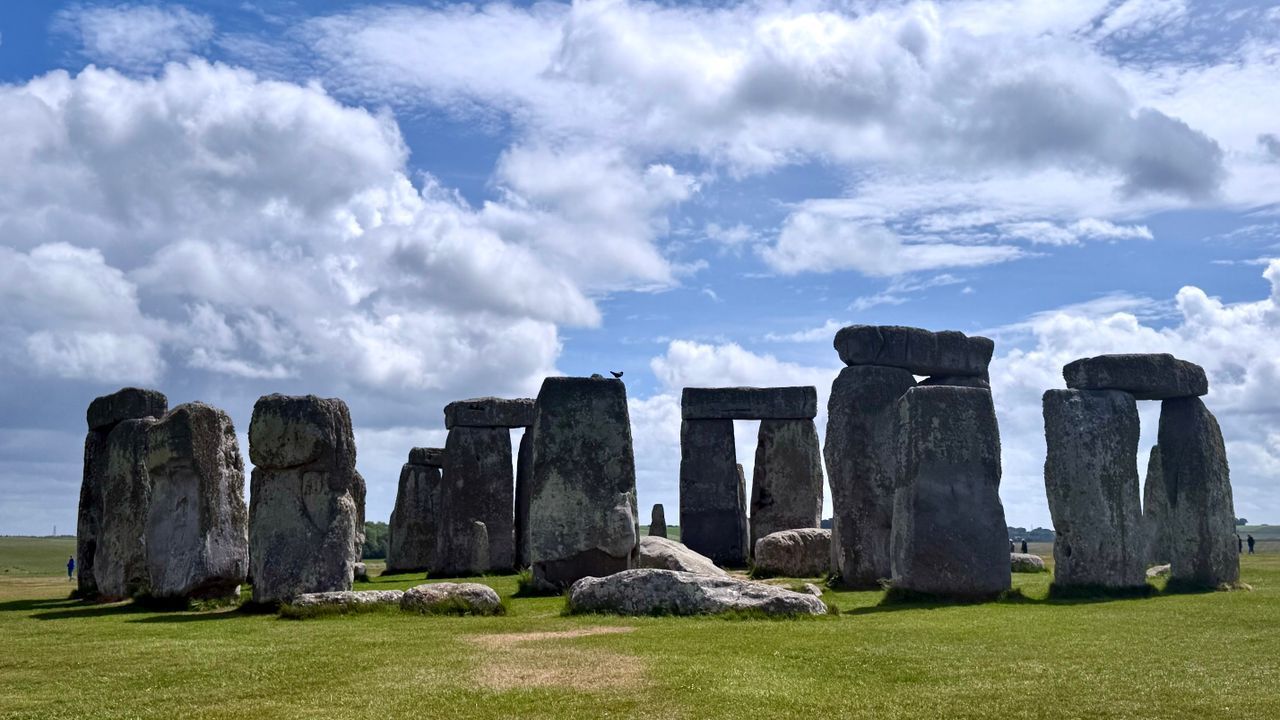
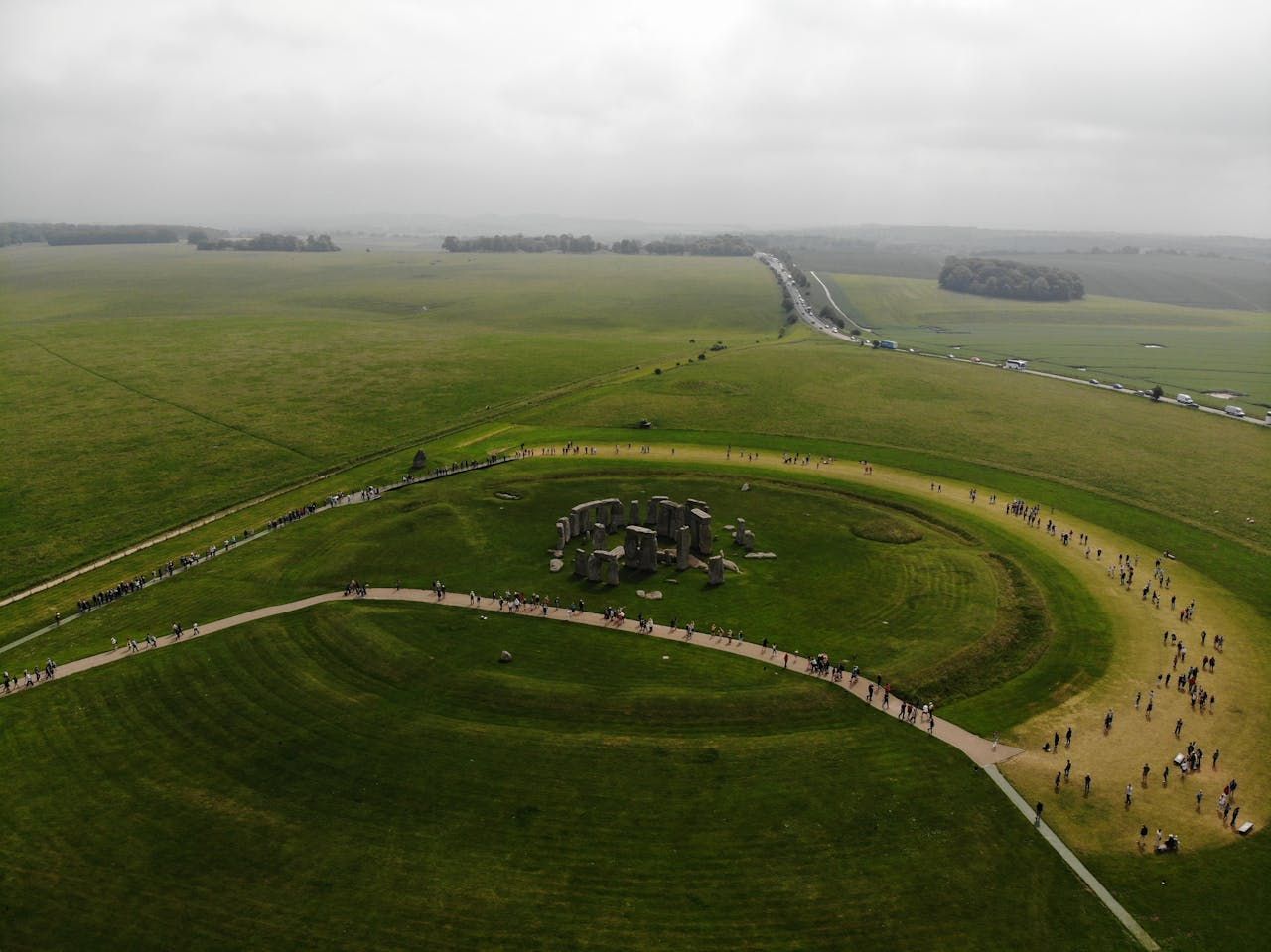
The fields between Stonehenge and Avebury have become known worldwide for English crop circles. Their scale, symmetry, and rich folklore attract guests who love countryside mysteries as much as they love archaeology. As local guides based in this area, we help visitors experience both, so the stone circles and the crop circles feel like parts of the same unfolding story.
Ancient Landscapes and Modern Mysteries
Wiltshire is packed with prehistoric sites. Around Stonehenge and Avebury, the fields that host many formations are framed by:
- Long barrows and burial mounds on the ridgelines
- Chalk downs that rise gently above river valleys
- Prehistoric avenues such as the West Kennet Avenue at Avebury
- Iron Age hillforts and ancient boundaries that still shape the views
When we explore this countryside together, it becomes clear why this corner of southern England feels special. The same contours that once inspired builders of Stonehenge and Avebury now seem to draw modern aerial art. Many formations line up with hilltops, tracks, and distant stone circles, adding a fresh layer to what has long been a sacred landscape.
Crop circles tend to appear from late spring through late summer, when cereals are tall enough to shape and still standing in the fields. Formations can arrive without warning and sometimes disappear within days once the farmer harvests the crop. Because of this, we plan our days with flexibility in mind, tracking reliable crop circle reports and local news so we can adjust routes during your visit.
For guests interested in ancient Britain tours, combining a current formation with world-famous sites like Stonehenge, Avebury, Silbury Hill, and West Kennet Long Barrow makes for a rich, varied day. The result is not just one mystery, but a whole landscape of questions and stories.
Theories, Folklore, and Aerial Art
Ask five people what crop circles are and you may hear five different answers. Over the years, a wide range of ideas has grown up around them:
- Human-made land art, sometimes carefully planned and executed at night
- Hoaxes created as pranks or social commentary
- Experiments in geometry, proportion, and sacred symbols
- Weather or natural forces that some people believe could shape plants
- UFO theories and paranormal tourism centered on unknown visitors
Many of the most detailed patterns show impressive skill: razor-sharp circles, interlocking rings, layered shading, and intricate geometric patterns that are best appreciated from above. Their design has encouraged photographers, drone pilots, artists, and spiritual groups to pay close attention to each year’s formations.
Local stories add another layer. People talk about strange lights over the fields, unusual animal behavior, or odd mechanical glitches near certain sites. Night watches, meditation circles, and informal gatherings are all part of the modern folklore that now sits alongside much older tales about fairies, ghostly armies, and ancient processions across the downs.
At Heritage & Stone, we keep a balanced view. We respect scientific skepticism and the clear evidence of human artistry in many cases, while also acknowledging that the sense of wonder is a big part of why people travel so far to see these formations. Our role is to share what is known, what is debated, and what is still simply unknown, then let you form your own opinions.
How We Visit Wiltshire Crop Circles
The romantic side of crop circles often hides the practical reality. These patterns form in working fields, not public parks, so careful planning and respect for the land come first.
Key points we always keep in mind are:
- Formations appear on private farmland and access is at the farmer’s discretion
- Some are open with an honesty box or sign, others are closed entirely
- Crops can be harvested quickly, sometimes with little notice
- Weather and ground conditions can affect safe access
We follow trusted crop circle information sources and draw on local connections to learn which formations are open, safe, and worth the walk. When possible, we choose circles within a comfortable distance of our regular touring routes around Stonehenge and Avebury, so the day remains relaxed instead of rushed.
A typical day might include:
- Flexible pick-up from London, Salisbury, or Bath
- A visit to one or more current, accessible circles, with time to walk the patterns
- A timed visit to Stonehenge or an in-depth walk at Avebury stone circle
- Scenic stops at viewpoints, chalk figures, or quiet country churches
Because we tour in a private vehicle, we can adapt to weather, crowds, or last-minute crop circle updates. On-site, we guide guests on field etiquette so we respect both the farmer’s livelihood and the circle itself, then share stories that connect what you see underfoot with those distant stones on the horizon.
From Field Paths to Stone Circles
Crop circle visits pair naturally with Wiltshire’s classic prehistoric sites. In one day, it is entirely possible to:
- Walk through a freshly formed pattern in barley near Avebury
- Explore Avebury stone circle, with its huge stones and village streets
- Look up at Silbury Hill, the giant ancient mound by the road
- Enter West Kennet Long Barrow, a Neolithic chambered tomb
- Stroll through a nearby village and pause at a local pub or tea room
Our guides help you read the land as we travel between stops: which ridges carry old trackways, how ancient processional routes might have crossed the valleys, and where modern aerial art seems to echo older alignments. For many guests, this changes how the countryside feels. It becomes less of a pretty backdrop and more of a story you can walk through.
Because our tours are private and tailored, we can shape the day around your interests. Some visitors bring serious camera gear and want time for photography. Others focus on archaeology, spiritual practice, or a family-friendly mix that keeps everyone engaged without overloading on detail. However we plan it, we aim for unscripted moments, quiet pauses, and room for questions so the experience feels personal rather than packaged.
Planning Your Wiltshire Crop Circle Adventure
If you are traveling from the US or Canada, timing is worth a little thought. Crop circles are most common when the fields are green and then turning gold, so late spring through late summer is usually the best window. Weather can be changeable, with cooler mornings out on the downs, so layers and comfortable walking shoes are important.
Useful things to bring include:
- Light layers and a waterproof jacket, just in case
- Closed-toe walking shoes that can handle uneven or slightly muddy paths
- A hat, sunscreen, and water bottle for sunny days
- A camera or phone with good battery life for both close-ups and wide views
In terms of travel logistics, Wiltshire works well as:
- A day trip from London, with early pick-up and an evening return
- A day out from Salisbury, combining a cathedral city and countryside
- A loop from Bath that pairs Roman history with ancient Britain tours in the Stonehenge region
We always remind guests that crop circles cannot be guaranteed. Some days offer several accessible formations, other days none at all. When that happens, the circular story continues in a different form: at Stonehenge, Avebury, Silbury Hill, or on the ridges where prehistoric builders left their own marks in earth and stone. Either way, the ancient landscapes around Stonehenge and Avebury rarely disappoint, and the countryside mysteries of Wiltshire are always there to be discovered.
Step Into Britain’s Ancient Past With a Guided Tour
Let us bring the legends, landscapes, and mysteries of prehistoric Britain to life with our expertly led
ancient Britain tours. At Heritage & Stone Tours, we design each small-group experience so you can truly connect with stone circles, burial mounds, and sacred sites, not just see them from a distance. Tell us what you want to explore and we will help you choose or tailor a tour that fits your interests and schedule. If you are ready to start planning your visit to these remarkable sites, simply
contact us today.
In This Article
Plan Your Day Trip
Tell us what interests you and we'll design the perfect itinerary for your group.
Share
More from the Journal