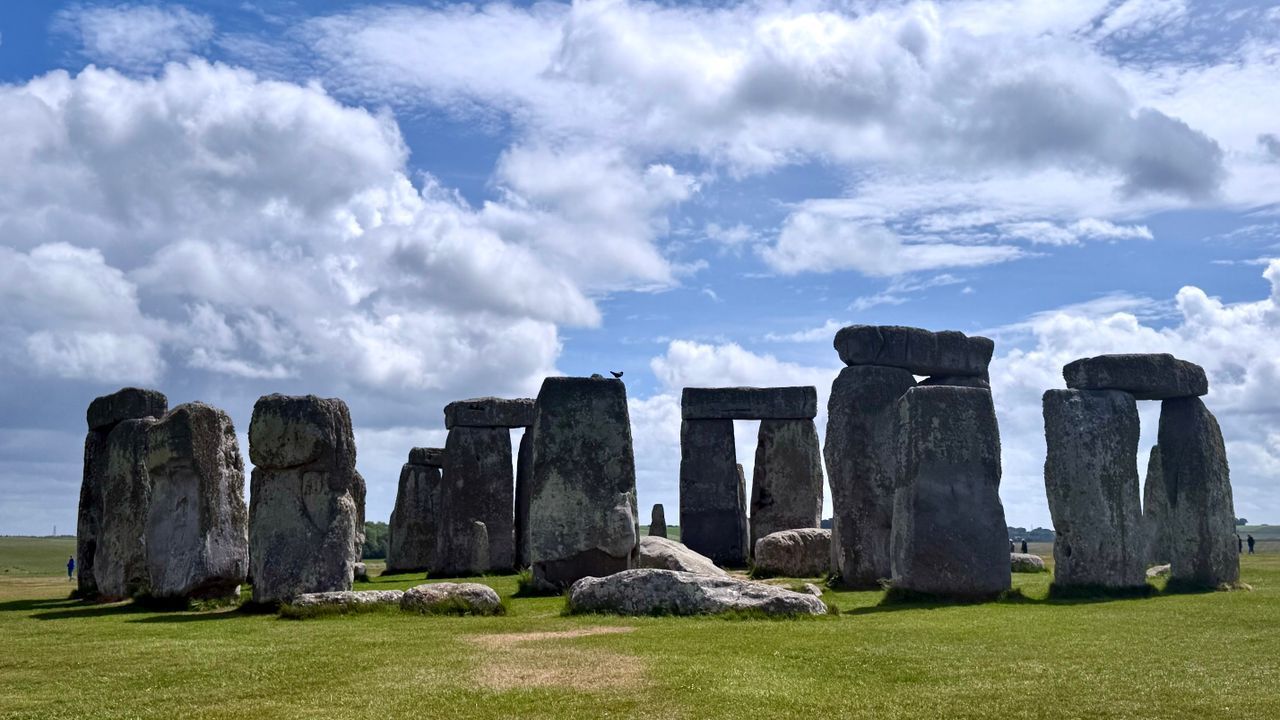
Stonehenge Cursus: the Hidden Monument That Shapes the Stones
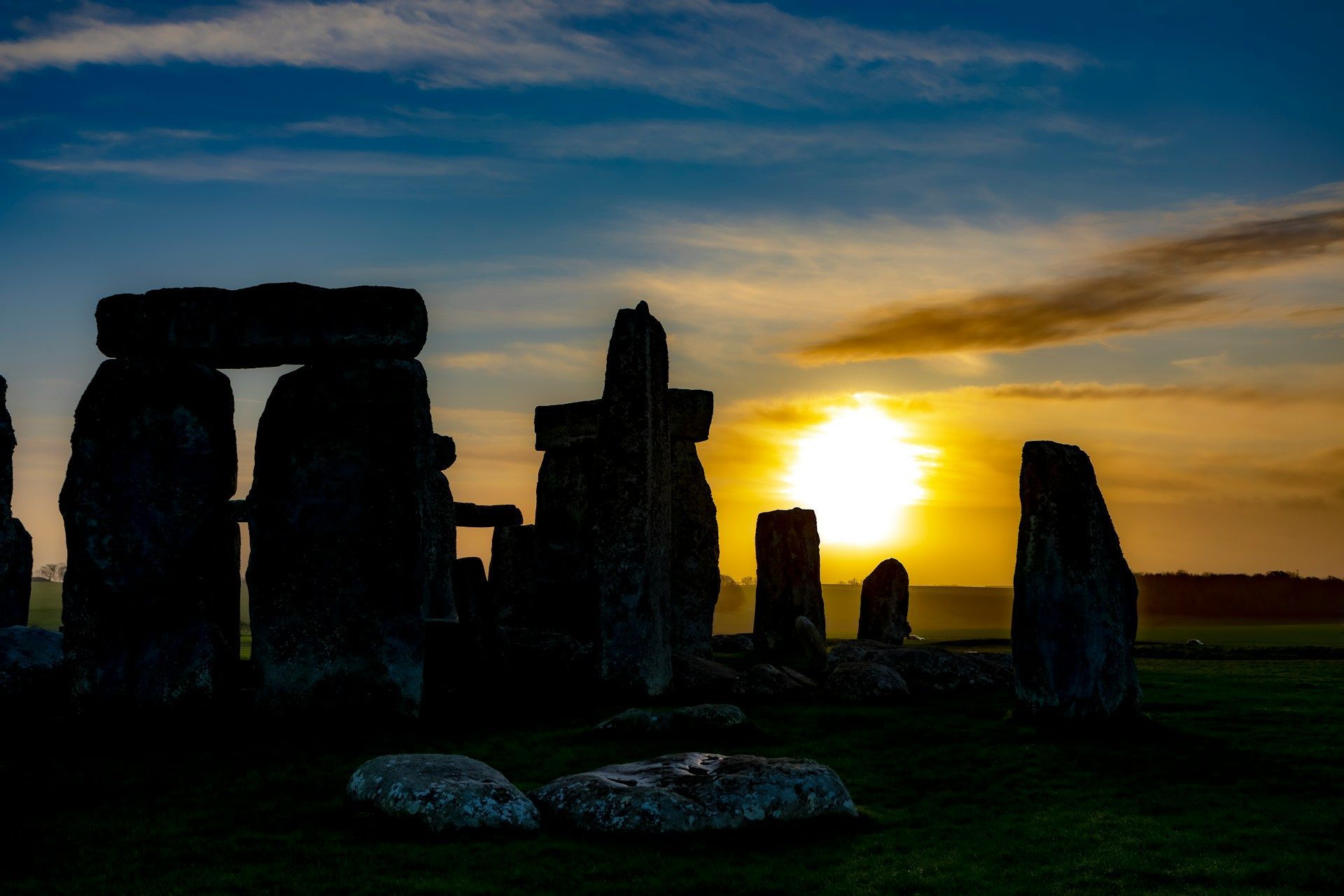
Walking Into a Lost Monument Beside the Stones
Most visitors arrive at Stonehenge focused on one thing, the famous stone circle rising above the fields. What many do not realize is that they are standing beside another vast, ancient monument that quietly shapes the whole area: the Stonehenge cursus. It leaves no towering stones, just low banks and ditches in the grass, yet it is older, longer, and in many ways more mysterious than the circle itself.
Archaeologists use the word “cursus” for a long, rectangular Neolithic earthwork defined by banks and ditches, probably built for ceremonies rather than daily life. In prehistoric Wiltshire, people were not just building a single monument; they were planning an entire sacred landscape filled with hidden sites, alignments, and processional routes. In this article, we will explain what the Stonehenge cursus is, why experts are so fascinated by it, and how private Stonehenge tours can help you actually see this ghostly monument in the ground around you.
What Is the Stonehenge Cursus and Where Can You Find It
The Stonehenge cursus is an ancient cursus monument that stretches across the chalk downs to the north of the stone circle. It runs roughly east to west for nearly 1.7 miles, enclosed by a pair of low parallel banks with ditches just outside them. On a map, it looks like a giant elongated rectangle, far larger than the circle that now takes center stage in most photos.
On the ground, it can feel surprisingly elusive. Centuries of ploughing, later farming, and grass growth have softened its edges, so you do not see dramatic walls or trenches. Instead, the cursus reveals itself through subtle changes in the height and color of the grass and the slight swell of earthworks that catch the light at low sun.
Key things to know about its layout and age include:
- It lies just north of Stonehenge, running east to west across prehistoric Wiltshire
- It is significantly longer than the stone circle is wide, turning the area into a ceremonial corridor
- Its banks and ditches are now low, so most visitors drive or walk past without realizing it is there
- Archaeological dating suggests it is older than the stone circle, one of the earliest major features in the Stonehenge area
When we guide guests through this part of Wiltshire, we often say that if you only focus on the stones, you are missing the blueprint. The cursus is one of the first signs that people were thinking on a grand scale here.
The Forgotten Monument Near Stonehenge Most Visitors Miss
The Stonehenge cursus is often described as a forgotten or hidden monument because standard guidebooks and quick coach tours tend to give it only a passing mention, if they mention it at all. The spotlight stays on the iconic circle and perhaps the visitor center, while the larger ancient layout surrounding it remains in the background.
Yet in many ways, the cursus may be just as important as the stones themselves. It shows that long before the builders raised massive sarsens, they were already reshaping prehistoric Wiltshire into a place for ceremony, memory, and gathering. The cursus is evidence that this was not a random choice of location, but a carefully chosen and prepared space.
The wider Stonehenge area is filled with what we often call Stonehenge hidden sites, features that are hard to spot without guidance:
- Round barrows and burial mounds on nearby ridges
- The Stonehenge Avenue, a constructed route linking the river and the stones
- The cursus and other subtle earthworks linked by sightlines and alignments
On tailored or private Stonehenge tours, we can take you to viewpoints where the cursus starts to appear in the lie of the land. From the right angle, especially in low sunlight, you see how this great rectangle cuts across the fields, and you begin to feel how it might have framed movement and ceremony for the people who built it.
Why Archaeologists Are Fascinated by the Stonehenge Cursus
Archaeologists are captivated by the cursus partly because it is so old and partly because it raises so many questions. Excavations along its length have uncovered Neolithic tools, animal bones, and traces of repeated activity, yet almost nothing that looks like everyday domestic life. There are no dense clusters of postholes for houses, no rubbish pits from permanent settlements.
Instead, the evidence points toward Neolithic rituals and ceremonial processions rather than farming or living spaces. Researchers suggest that the cursus may have marked a boundary between different social or spiritual zones, perhaps separating the realm of the ancestors from spaces for the living.
This links directly to a wider idea that has become central to Stonehenge studies, ancient landscape planning. Archaeologists now see the whole area as a deliberately shaped environment in which:
- The cursus, stone circle, barrows, and avenues relate to one another in planned ways
- Alignments may pick out key points on the horizon, such as midsummer and midwinter events
- Different types of monument mark different kinds of activity, from burial to feasting to procession
There are still major questions that experts debate:
- Who was allowed inside the cursus banks, and who had to stay outside?
- Were processions part of seasonal gatherings, initiation rites, or ancestor ceremonies?
- How did the cursus connect to nearby burials and places where people cooked and ate in large groups?
That mix of physical evidence and unanswered questions is exactly why the cursus continues to draw new research and interpretation.
Was the Stonehenge Cursus a Sacred Pathway in the Landscape
One of the most compelling ideas about the Stonehenge cursus is that it acted as a sacred pathway through the landscape. Instead of being a barrier to keep people out, its long straight shape may have channeled movement, guiding ceremonial processions across the chalk downs.
The cursus runs roughly east to west, which has led some researchers to suggest that it may have framed particular sunrises or sunsets, just as the stone circle is famous for its solar alignments. Even if the match is not exact, this orientation ties it to the rhythm of day and night and the turning of the seasons.
When we talk with guests about how people might have used these ceremonial spaces, we often picture:
- Groups arriving from nearby river valleys up onto the higher ground
- Processions moving along the cursus, perhaps carrying offerings or ancestral symbols
- People leaving the cursus and heading toward Stonehenge and nearby barrows for different stages of a ritual
None of this is written down, so it remains interpretive. There are no Neolithic diaries explaining who walked where or why. Archaeologists build these ideas from excavation results, patterns in the earthworks, and comparisons with other cursus monuments across Britain. The mystery is part of what makes standing beside the cursus so powerful. You are walking through a place that held deep meaning for people whose stories we only partly understand.
Step Beyond the Stones and Walk the Ancient Cursus
Knowing about the Stonehenge cursus changes how we see the whole area. It is not just a backdrop to the famous stones; it is a vast, ancient cursus monument that helps explain why Stonehenge was built here and how people in prehistoric Wiltshire were thinking about space, movement, and ceremony. When we walk the line of the banks or stand on a rise looking across the fields, we are tracing the outline of a monument that predates the stones and may have guided the way people approached them.
For visitors who want more than a quick photo stop, exploring the cursus and other Stonehenge hidden sites turns a simple visit into a deeper experience. Private Stonehenge tours give us time to walk parts of the cursus, pause at viewpoints, and talk through the theories about ritual routes, solar alignments, and ceremonial spaces. In those moments, it becomes easier to picture processions moving across the same ground, long before the first stone was raised, and to feel that the entire landscape, not just the circle, is part of the story.
Experience Stonehenge Your Way With a Tailored Private Tour
Let us create a Stonehenge experience that fits your schedule, interests, and pace from start to finish. Explore our curated
private Stonehenge tours to see how Heritage & Stone Tours can make your visit more personal, insightful, and enjoyable. If you have questions or need help choosing the right tour, simply
contact us
and we will guide you through the options.
In This Article
Plan Your Day Trip
Tell us what interests you and we'll design the perfect itinerary for your group.
Share
More from the Journal