Healing Powers of the Bluestones at Stonehenge
Stepping Into a Living Legend at Stonehenge
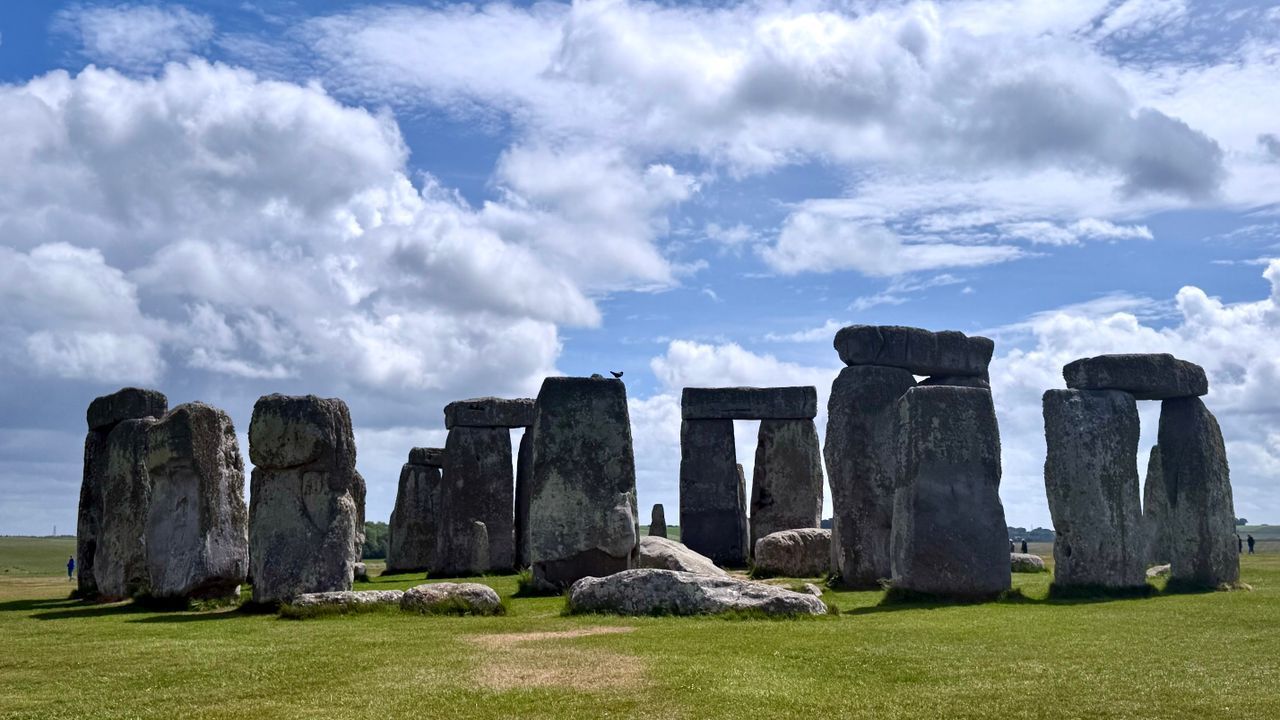
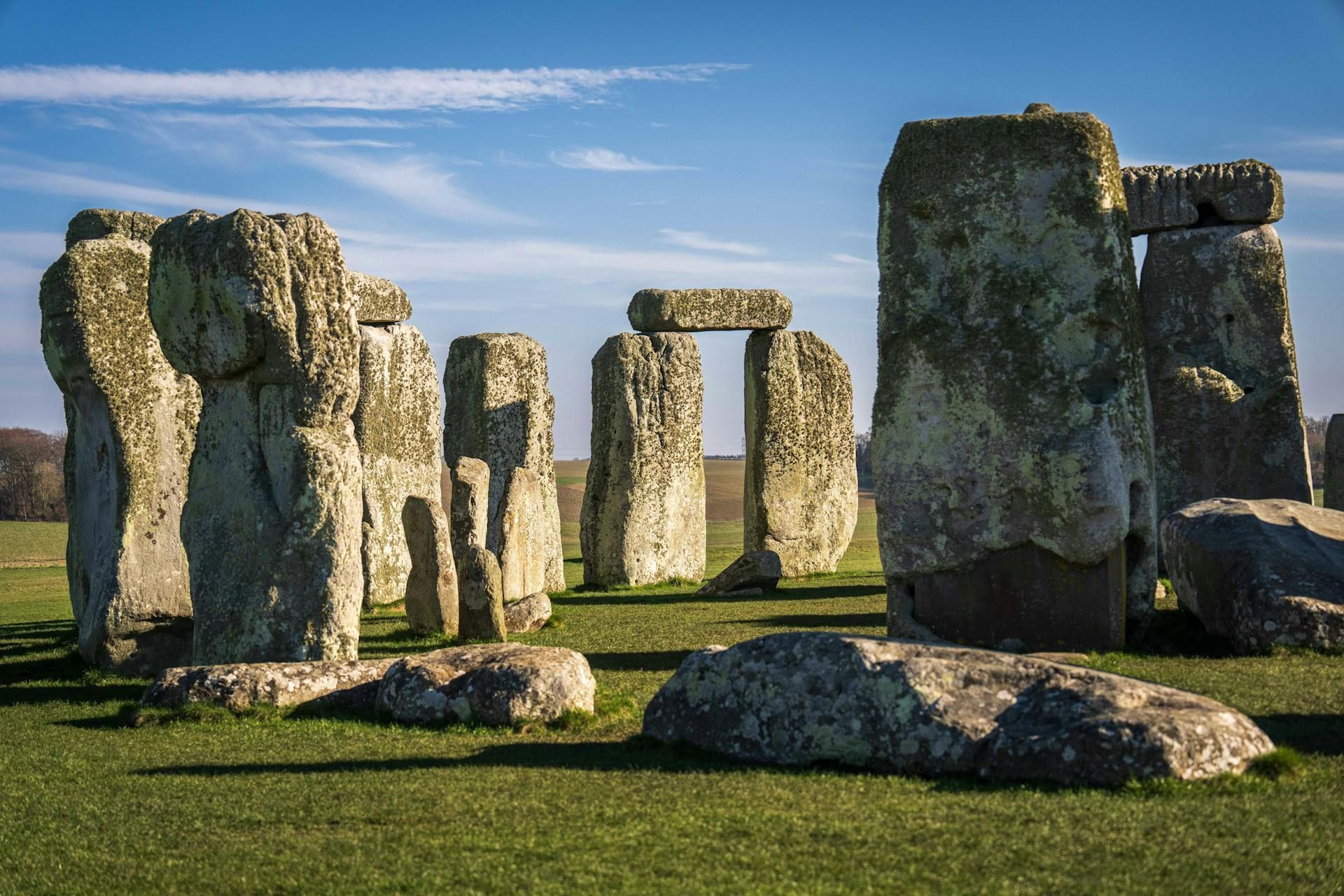
Arriving at Stonehenge for the first time feels different from visiting a typical historic site. The land opens wide on Salisbury Plain, the sky seems bigger, and the stone circle rises ahead, pale sarsens towering over a ring of smaller, darker stones. Those less obvious stones are the bluestones, and they hold some of the most intriguing stories in the entire monument.
For centuries, people believed the bluestones could cure illness, protect against evil, and radiate a special kind of power. On private Stonehenge tours, we often find that guests are drawn to them even before they know why. In this article, we will explore what makes the bluestones unique, how ancient myths and modern archaeology intersect, and how you can experience them for yourself in a thoughtful and meaningful way.
What Are the Bluestones and Why Are They Special
When you stand at the edge of the stone circle, the bluestones can look almost modest next to the huge sarsen trilithons. Yet they are the stones that traveled the farthest and may have carried the deepest meaning for the people who placed them here.
The bluestones are:
- Smaller than the sarsens, generally human-sized rather than towering overhead
- Darker in color, with a blue-gray tone that shows more clearly when the stones are wet
- A mix of shapes, with some standing upright, some lying on their sides, and some broken into fragments
They were brought from what is now west Wales, from the Preseli Hills and surrounding areas. That means people somehow transported them roughly the length of southern Britain, likely in several stages and over a very long period. For us as guides, this single fact changes how we see the whole monument.
Moving heavy stones across such a distance would have taken determination, organization, and probably great ceremony. Many archaeologists and historians think the effort only makes sense if the stones themselves were already considered special, perhaps for their spiritual, cultural, or healing qualities. The builders could have used local stone, yet they chose to bring these particular rocks from far away, which suggests they carried a meaning that went beyond mere construction.
Myths of Healing, Protection, and Magic
The bluestones drew stories to them just as strongly as they may once have drawn people across Britain. Long after Stonehenge was first built, medieval writers recorded beliefs that the smaller, darker stones had the power to heal.
According to later folklore:
- Chips from the bluestones were thought to cure illness and ease pain
- Stone dust, mixed into water or worn in a charm, was believed to guard against misfortune
- Tiny fragments were taken home as protective talismans, sometimes linked to love, fertility, or safe childbirth
Some people even saw Stonehenge as a kind of prehistoric pharmacy, a place where the very fabric of the rocks contained medicine. While we cannot know exactly what early visitors believed, we do know that this reputation for healing and protection clung to the bluestones for centuries.
These stories fit into a wider tradition across Celtic and British lands, where springs, wells, and distinctive stones were credited with curing eye problems, skin conditions, or general weakness. On private Stonehenge tours, we often talk about how Stonehenge is not isolated. It belongs to a landscape full of burial mounds, earthworks, and other ancient sites, and it also belongs to a tradition where the natural world was alive with power, both protective and dangerous.
What Archaeology Tells us About the Bluestones
While the legends are evocative, archaeology gives us a more grounded view of what the bluestones were and how they arrived at Stonehenge. Scientific analysis has matched many of them to specific rock outcrops in the Preseli Hills and nearby locations in Wales. There are indications that some of those outcrops show signs of old quarrying, which suggests that the stones were deliberately extracted and shaped rather than simply gathered by chance.
Archaeological digs around Stonehenge have also revealed that:
- The monument developed in stages, and the bluestones likely formed an earlier ring before the large sarsens were added
- Some of the burials in and around Stonehenge include individuals who appear to have had injuries or illnesses
- The bluestones were moved and rearranged over time, suggesting continued importance rather than a one-time construction choice
One modern theory proposes that Stonehenge might have been seen as a place of healing, with the bluestones at its heart. The link between people with health problems and a monument built around stones already considered special fits the medieval stories surprisingly well, even if we cannot prove a direct connection.
At the same time, a responsible view keeps a clear line between what we know and what we can only guess:
- We know the bluestones came from Wales and were transported intentionally
- We know they were reused and repositioned, implying long-term significance
- We do not know exactly what kind of rituals took place there, or how people described the stones in their own language
What we can say with confidence is that the bluestones were far more than convenient building blocks. They were chosen, valued, and moved at great effort, which points to a special role in the beliefs of the people who created the monument.
Experiencing the Bluestones on Private Stonehenge Tours
Modern visitors sometimes expect to be able to walk up and touch every stone, but the reality at Stonehenge is more controlled, to protect a fragile monument that has survived thousands of years. On most visits, you follow a circular path that gives excellent views without entering directly inside the stone circle.
Here is what to expect:
- Standard visits keep you just outside the stones, close enough to see both sarsens and bluestones clearly
- Special inner circle access visits, at set times, allow smaller groups to walk within the circle and stand near the bluestones
- No one is allowed to chip, touch aggressively, or take anything from the site, to preserve it for the future
On private Stonehenge tours with an experienced local guide, the bluestones become easier to understand and appreciate. We can point out which stones are bluestones, trace their journey from Wales in simple terms, and share both the myths and the archaeological evidence in a way that brings the circle to life.
Many guests find it helpful to:
- Take a quiet moment near the closest viewpoint to the bluestones, simply standing and noticing how they feel in the space
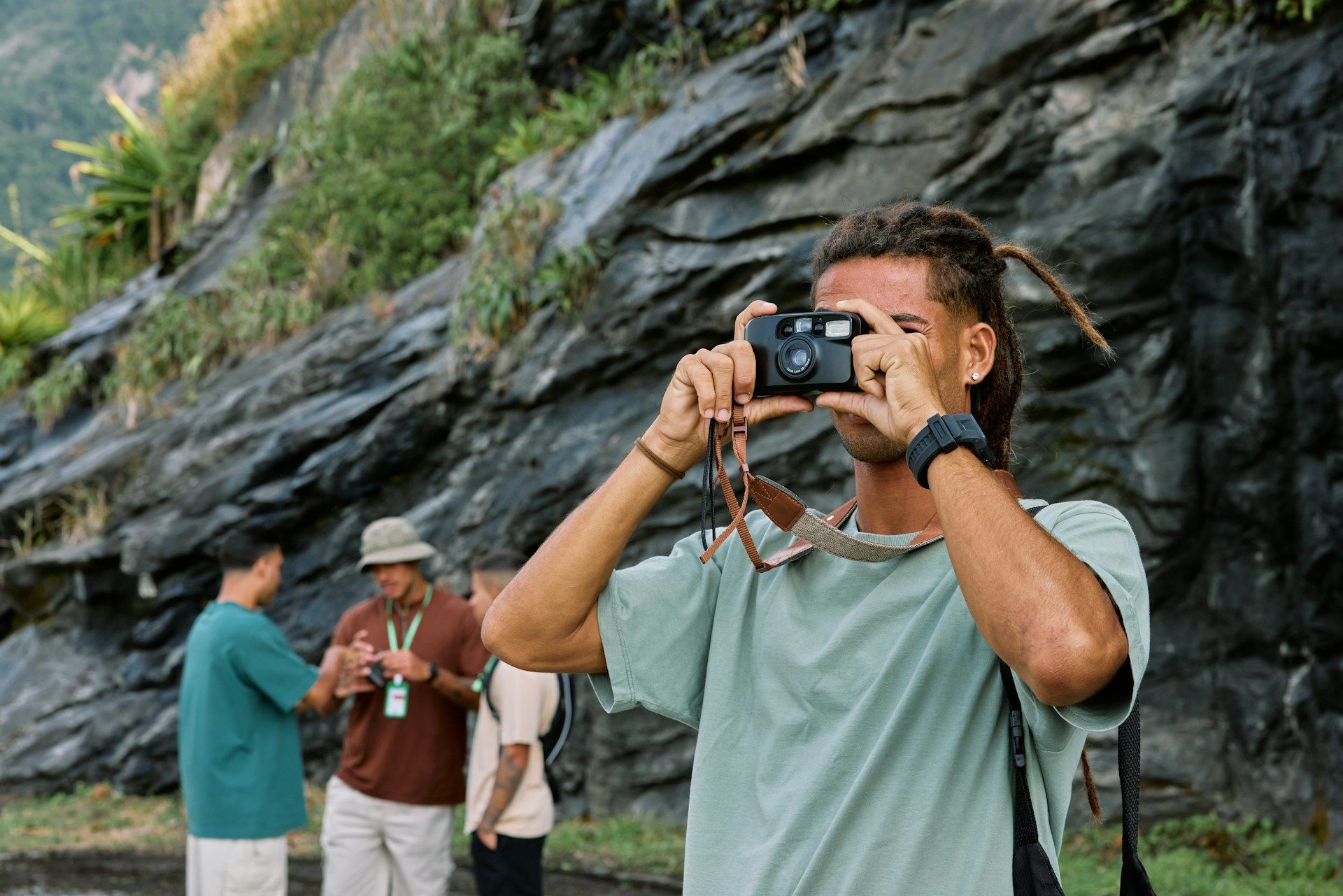
- Use photography to focus on textures and color, especially if the stones are damp and their blue-gray hues stand out
- Combine Stonehenge with visits to Avebury, Salisbury, Bath, or the Cotswolds to see how Stone Age and later sacred landscapes fit together
We are based close to these sites, so we know the routes, the timing, and the best combinations to create a day that feels rich rather than rushed.
Planning Your Own Journey to the “Healing Stones”
Every visitor arrives at Stonehenge with different expectations. Some are drawn by the engineering challenge, others by the stories of druids and ancient rites, and some by a personal connection to the idea of healing. The bluestones can meet all of those interests at once. They are feats of human effort, deeply woven into myth, and still quietly powerful to stand beside.
If you are planning to visit from North America, it helps to think about:
- When the site will feel most meaningful to you, early morning, late evening, or a typical daytime visit
- Whether a private tour, with flexible timing and personal attention, will let you ask the questions that matter most to you
- How you want to balance Stonehenge with other stops, perhaps including small villages, cathedral cities, or coastal scenery
On our private Stonehenge tours, we see again and again how standing within sight of the bluestones encourages people to reflect on their own lives and history. Whether you see them as healing stones, ancient witnesses, or quiet links between England and Wales, they invite you to step closer, slow down, and consider how people have sought meaning and comfort in special places for thousands of years.
Transform Your Stonehenge Visit Into a Meaningful Private Experience
Discover how our tailored
private Stonehenge tours can turn a simple day out into a memorable journey through history for your family or small group. At Heritage & Stone Tours, we plan every detail around your interests, pace, and schedule, so you can enjoy Stonehenge without crowds or stress. If you have questions or need help choosing the right tour,
contact us and we will help you create the experience that fits you best.
In This Article
Plan Your Day Trip
Tell us what interests you and we'll design the perfect itinerary for your group.
Share
More from the Journal